Insurers are now requiring telematics and safety technologies to gauge risk and inform pricing for commercial auto coverage, emphasizing active data management.
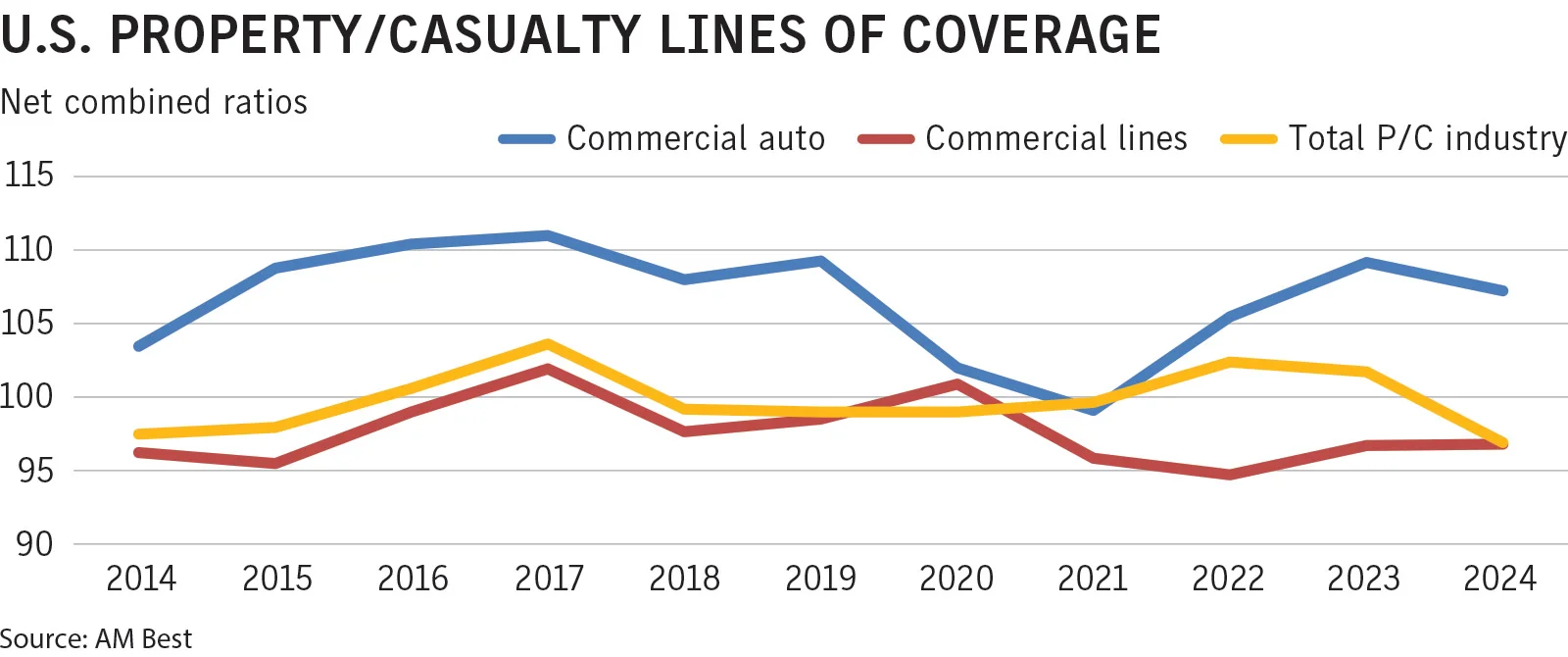
Commercial auto insurers are increasingly prioritizing the practical usage of telematics, cameras, and safety technologies, moving away from merely confirming their installation. This transition reflects ongoing profitability challenges in the sector, prompting a shift towards data-driven insights for effective underwriting, pricing, and risk selection.
According to Mark Gallagher, vice president of national transportation at Risk Placement Services, the analytics derived from telematics enhance insurers' understanding of driver behavior. Factors like hard-braking incidents, route choices, and overall travel times are critical indicators of potential loss risks. This allows insurers to better anticipate future liabilities, rather than relying exclusively on past loss experiences.
Technological Standards in Fleet Insurance
Telematics have become non-negotiable for obtaining commercial auto coverage, particularly in sectors like trucking and heavy machinery, notes Nicole McMurtry, president at USI Insurance Services. New entrants to the insurance market are often required to implement telematics and electronic logging devices as prerequisites for coverage agreements, illustrating the technology's growing importance.
Formerly considered a value-add for premium discounts, telematics is now seen as a baseline requirement. “If you don’t have telematics, you don’t get access to our program,” McMurtry emphasizes. This requirement has made telematics "table stakes" for insurability in larger commercial fleets, according to Rick Burgraff of Axa XL. Insurers are keen to assess not only the presence of technology but also how fleet operators utilize it for monitoring, coaching, and effectively addressing unsafe driving behaviors.
Data Management and Risk Exposure
Telematics are most effective when they facilitate ongoing coaching and risk management. Paul Haywood, national risk control leader at USI, points out that the mere presence of telematics is insufficient if fleets fail to act on the data gathered. Companies that collect data without addressing identified risks may face higher liability, as such negligence can create exposure for potential lawsuits. Insurers are increasingly scrutinizing whether fleets are actively managing the telematics data they collect.”
For instance, Axa XL's portfolio analysis indicates that the majority of commercial auto claims exceeding $50 million involved fleets equipped with telematics. Yet, the issue often lies not in the technology itself but how it is misused. When fleets neglect to act on data insights, they risk exacerbating their risk profile and vulnerability to claims.
Impact on Pricing Models
While telematics can improve price modeling for guaranteed-cost and middle-market accounts, their influence tends to diminish for larger fleets that already retain substantial risk through high deductibles. In such cases, the focus shifts from premium discounts to stricter underwriting standards. Dan Abrahamsen, CEO of Cover Whale, underscores this trend, stating that fleets hesitant to share their data may find insurers less willing to underwrite their risks.
Often, insurers provide risk-control services to analyze telematics data and clarify driving risks. According to Gallagher, the coaching facilitated by analyzing this data has proved invaluable in promoting safer driving practices. Some fleets might receive discounts for sharing their telematics data, but securing these benefits remains a challenge.
Safety Technology Trends
The broader adoption of safety technologies has been associated with lower levels of liability losses. A report from the American Transportation Research Institute links features like forward-collision warnings and automatic emergency braking systems to enhanced safety outcomes. However, these technologies are not a substitute for skilled drivers or solid fleet management practices. Matthew Payne, transportation practice leader at Lockton, emphasizes that historical performance metrics such as drivers' experience, compliance records, and crash histories are still crucial for fleet evaluations.
Market Dynamics and Rate Trends
Despite ongoing challenges, the commercial auto market is witnessing signs of stabilization, with insurers gradually easing capacity constraints on well-performing risks. Although rate increases persist, the degree of withdrawal from the market has lessened compared to previous years. “The market’s calmed down,” Payne observes. While significant rate increases may still apply to fleets with unfavorable loss histories, those with commendable safety records are finding more favorable renewal conditions.
As the commercial auto industry wrestles to restore profitability—reflected in a 2024 net underwriting loss reduction to $2.2 billion from $4.9 billion in 2023—insurers continue to prioritize risk assessment techniques like telematics to bolster their underwriting practices. Many fleets are adopting higher deductibles, indicating a trend where large operators retain a greater portion of risk, with deductibles for large fleets often starting at $1 million and reaching up to $20 million.
Discussion
Sign in to join the discussion.