Florida's recent tort reforms have drastically improved its insurance landscape, but challenges remain as claims and litigation trends evolve.
Florida's insurance environment shows signs of recovery, driven by new tort reforms that have led to a significant decline in fraud and frivolous lawsuits. Insurers are reentering the state while property and auto insurance premiums are experiencing notable decreases. Yet, substantial challenges remain, indicating that Florida’s journey through insurance reform is far from complete.
Status of Reforms
Recent comprehensive tort reforms enacted in 2022 and 2023 have begun to yield positive results. After facing rampant litigation and escalating premiums, Florida has restructured its legal framework for insurance disputes. Governor Ron DeSantis spearheaded a substantial tort reform initiative following Hurricane Ian, targeting excessive legal fees awarded to policyholders and curbing the controversial assignment-of-benefits agreements that had allowed policyholders to pass on their insurance claims to contractors. This power was often exploited by roofing companies encouraging dubious claims.
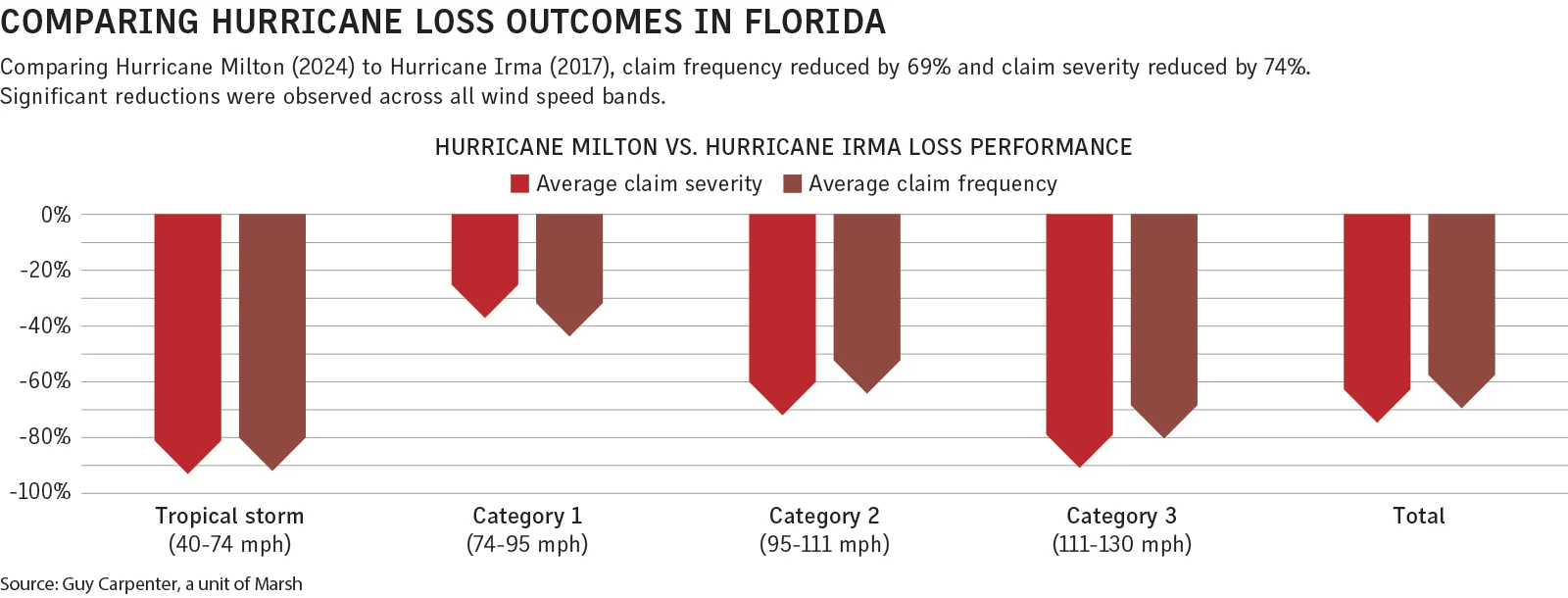
“The reform was more effective than anyone could’ve dreamed,” reflects Randy Fuller, a leading Florida segment expert at reinsurer Guy Carpenter. By examining over 1.4 million homeowner policies, Fuller found staggering decreases in claim frequency and severity after the reforms, specifically in areas not directly hit with high winds during storms.
Financial Implications
According to A.M. Best, Florida insurers cut defense spending dramatically, with costs plummeting from $131 million in 2022 to just a fraction of that in 2025, marking a nearly 80% reduction. Lisa Weinstein, VP of risk and compliance at Cove Communities, noted that the reformed negligence standards have strengthened the insurance adjusters’ stance, effectively reshaping negotiations surrounding liability claims.
The current landscape is illustrating clearer paths for settlement. Even established law firms like Morgan and Morgan have had to reduce their number of attorneys specializing in insurance litigation, signaling a shift in the environment as consumers increasingly resolve issues directly with their insurance providers.
Declining Rates and Market Competition
Competition is returning to Florida's market, with many insurers stepping away from relying solely on Citizens Property Insurance, the state’s fallback insurer. The number of commercial properties under Citizens has decreased significantly, dropping from 13,600 in 2024 to approximately 4,500 by mid-2026.
There's a clear downward trend in commercial property rates too, with costs for surplus-line policies dropping by 35% in the first half of 2026 compared to the previous year. Factors driving this decline include both tort reforms and a lull in hurricane activity, crucial in an industry where natural disasters can lead to dramatic financial losses. The last major storm, Hurricane Milton, struck in late 2024, allowing a reprieve for the insurance space.
Liability Insurance Trends
The realm of liability insurance presents a more tangled narrative. Though some improvements materialized with the introduction of tort reforms, average costs for commercial general liability policies in Florida began to plateau in mid-2024 after prolonged increases. In contrast, commercial auto liability rates are expected to see moderate increases, attributed to lingering impacts from changes in driving behavior post-pandemic.
Though the reforms aimed to reduce overall litigation burdens, some sectors, particularly those heavily reliant on premises liability insurance, continue facing premium escalations and tighter coverage. While new provisions provide a degree of protection for multifamily property owners, many still struggle with the costs associated with compliance for enhanced security measures.
Policyholder Perspectives
Critics argue that tort reforms have shifted burdens from insurers back to policyholders. New regulations demanding faster notifications for claims introduce challenges for those discovering roof damage only after subsequent weather events. Small businesses and homeowners, particularly, may face hurdles in securing legal representation for lower-stakes claims.
Concerns are further compounded by insurers tightening their coverage terms, favoring depreciated cash values over full replacement in roofing claims. Legal pressures on adjusters have also raised questions about the integrity of damage reporting and claim management, as noted in various investigations.
Future Outlook
While some experts see tort reforms as aligning Florida's regulations more closely with national standards, the state’s recovery is still vulnerable to the unpredictable nature of natural disasters. Analysts have advised caution, emphasizing that the resilience of Florida's newly structured insurance landscape will be rigorously tested during unfavorable weather seasons.
As other states observe Florida's legislative strategy in tackling insurance challenges, the broader implications of tort reform could shape the future of the insurance market across the country. With varying regional responses and evolving public perceptions surrounding tort reforms, the insurance industry must remain agile amid these changing dynamics.
Discussion
Sign in to join the discussion.