Pokémon TCG Pocket's upcoming card launch features dual-type cards and ex versions of First Partner Pokémon, reigniting collector enthusiasm.
Exciting Developments at PokémonXP
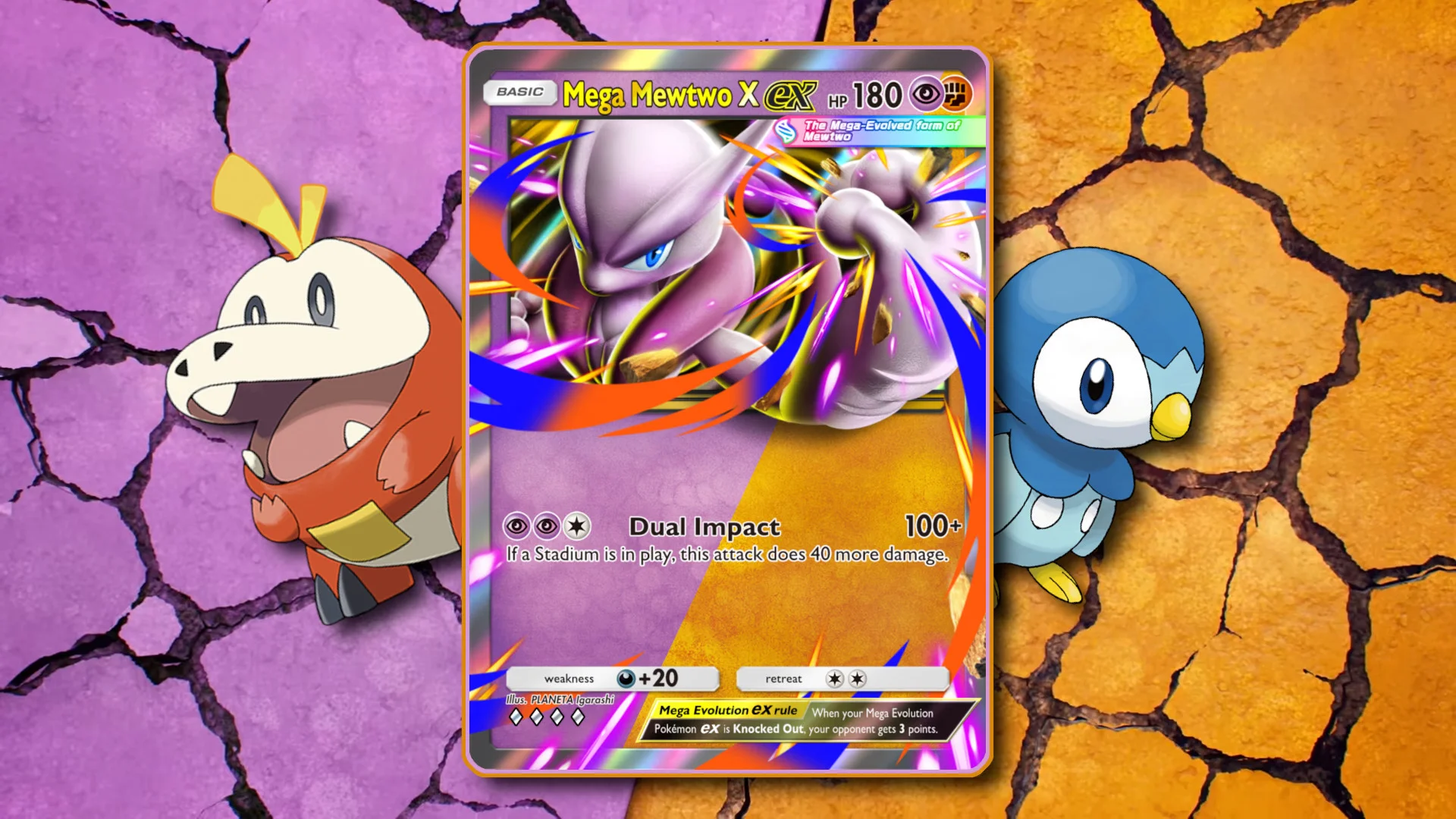
At the PokémonXP convention, the Pokémon TCG Pocket panel unveiled a fresh direction for the card game, introducing features that are bound to attract collectors once again. Alongside new ex versions of First Partner Pokémon, the game is set to roll out dual-type cards, which promise to enrich gameplay and strategy. This initiative is more significant than it looks, as it not only reinvigorates interest among collectors but also opens up fresh avenues for competitive play.
A Nod to Pokémon History
This move comes during the ongoing celebration of Pokémon's 30th anniversary, making the introduction of dual-type cards feel relevant and timely. The design pays homage to past mechanics that longtime fans will recognize, reminiscent particularly of the Delta Species cards, which allowed Gen 3 Pokémon to adopt additional types. These historical references tap into nostalgia while simultaneously offering a modern twist that caters to both new players and veterans alike.
Reviving Familiar Mechanics
The Delta Species mechanic significantly influenced the game, enabling unique deck archetypes and reshaping the competitive scene. This integration of variety in types not only diversifies strategies but also encourages players to think critically about deck-building and matchups. For example, the beloved Delta Species Fire-type Gardevoir ex made a splash during its reprint for the TCG's 25th anniversary, cementing its status among fans. Not only did it evoke cherished memories, but it also proved functional in various competitive formats.
Dual-types have appeared before in various forms, including Dark Pokémon prior to their official classification, and the XY Steam Siege's cards, which seem to align closely with Pokémon TCG Pocket's upcoming designs. However, those mechanics often felt like one-offs or were more niche than mainstream. The current rollout promises to embed dual-type cards more centrally into gameplay, suggesting a broader acceptance of such mechanics in future expansions.
Understanding Dual-Type Cards
But what exactly are dual-type cards? Essentially, they allow a single Pokémon to embody two different elemental properties. This variability can drastically enhance a player's strategy, potentially resizing usable card pools and opening up novel combinations. For example, a dual Fire and Water-type card could leverage strengths from both types, providing flexibility against various opponents. If you’re working in this space, you’ll want to explore how this flexibility can be incorporated into competitive play.
They introduce a layer of complexity to card interactions. Certain abilities and effects that target a specific type can now interact with Pokémon of two types, which might make for a richer strategic environment. Additionally, dual-types let players blend different strategies that were traditionally kept apart, adding a new tactical element to the equation.
Competitive Implications
The introduction of dual-type cards could shift the balance of competitive play. TCG players often find themselves locked into certain archetypes to optimize their deck structure. By introducing dual-types, players will be able to shift from classic strategies into hybrids that can counter conventional wisdom. As players adapt to these new mechanics, the competitive scene will likely see a period of adjustment, leading to more varied and unpredictable tournaments.
Moreover, the expectation is that this feature will appeal to competitive players, many of whom have expressed a desire for deeper strategic layers in the game. If the mechanics can be balanced properly, it could lead not only to a revitalization of interest among seasoned competitors but also attract new players eager to engage in a more complex game. And yet, this also raises questions about balance and game integrity. As with any new mechanic, the potential for overpowering dual-types exists, leading to concerns about the meta becoming dominated by a select few cards.
Consequences for Collectors
For collectors, the value of these dual-type cards could soar, especially if some cards transition into being staples of competitive decks. Collectible card markets often reflect players’ interests, where cards that see significant use tend to hold or increase in value.
This creates a fever pitch of anticipation among collectors, who will likely scramble to acquire these new cards. This is the part most people overlook: the interplay between collecting and playing, particularly in a franchise as storied as Pokémon. A potential spike in interest can lead to card shortages and inflated prices in the secondary market. And while that might be lucrative for some, it also risks alienating a segment of fans who might not be able to afford rapidly climbing prices.
Future Outlook
The long-term implications of these developments are still uncertain. Will dual-type cards prove to be a hit with the community, or will they fall flat, much like other mechanics that didn't catch on? The historical context provided by the Delta Species and other past features suggests a cautious optimism. If implemented effectively, dual-types could usher in a new era of excitement for both collectors and players alike.
As the Pokémon franchise continues to evolve, balancing nostalgia with fresh, engaging mechanics will be vital in keeping both old and new fans invested. Monitoring competitive events and community reactions will be crucial in understanding whether these changes are sustainable or merely a temporary buzz. In a world filled with digital gaming options, maintaining the vitality of the Pokémon TCG may hinge on how convincingly they embrace the past while looking forward to the future.

Discussion
Sign in to join the discussion.