Composers Grant Kirkhope and Charlie Atanasyan discuss Retold’s darker musical direction, adaptive score and expanded character performances.

Rayman Legends Retold is using music to reshape familiar parts of the series while keeping its playful character intact. The remake, due December 3, introduces new musical styles, a darker sound for its Living Dead world and score that responds to player actions. Composer Grant Kirkhope and audio director Charlie Atanasyan describe a process built around close iteration between music, level design and sound.
A darker edge for the Living Dead
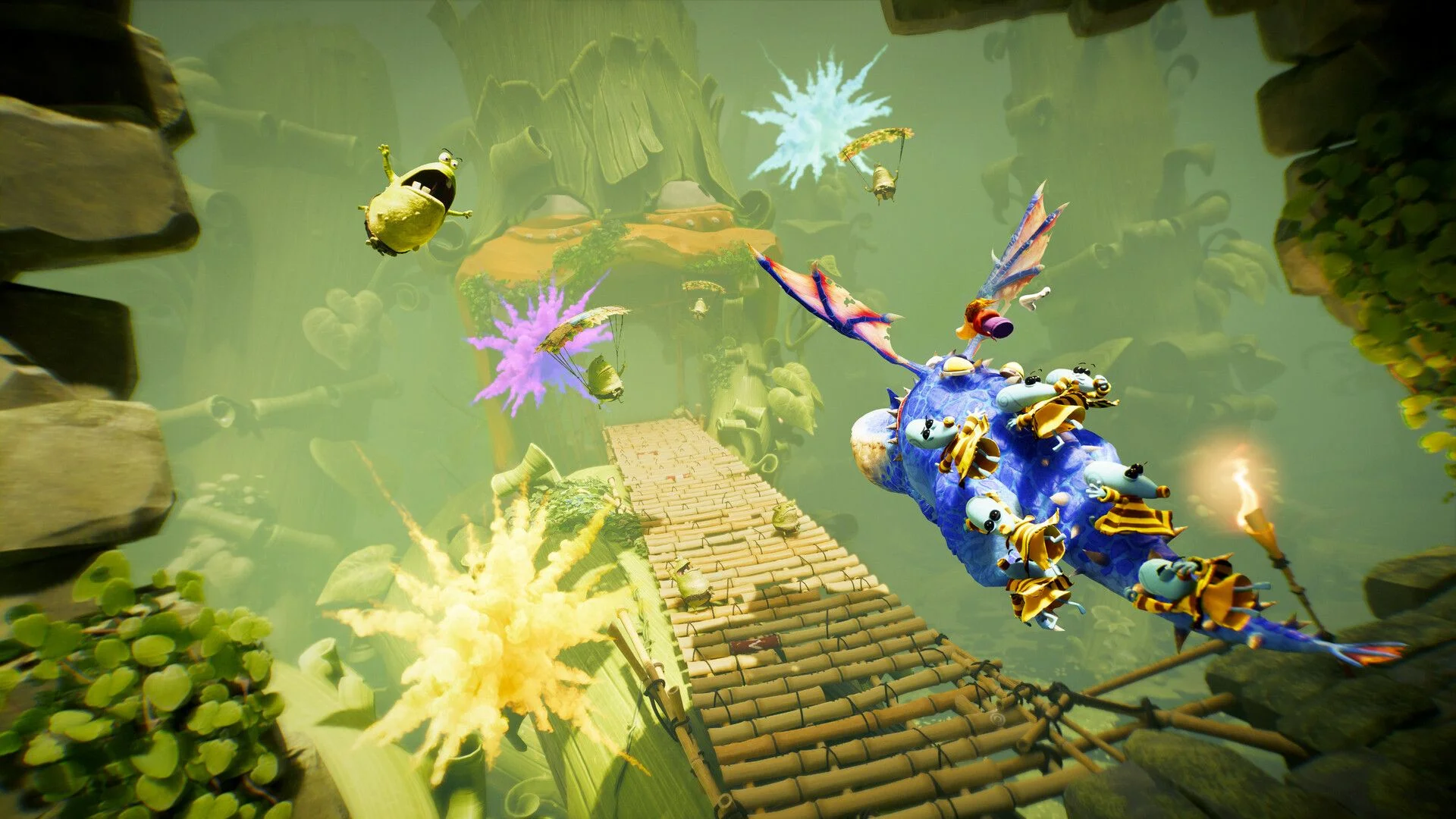
Kirkhope is composing for the new Living Dead world, where the brief called for a different tone from what players might expect of Rayman. Atanasyan wanted the series’ hero to feel older: Rayman is now a teenager, and the music could reflect that with a slightly more mature, cheekier edge.
The challenge was to make the world darker without losing the humor and recognizable musical personality that define the series. Kirkhope says his initial instinct was to write something closer to the familiar Rayman sound. Atanasyan kept pushing him toward a more shadowed mood. The finished direction sits between those ideas: darker in tone, but still playful enough to feel at home in the franchise.
Atanasyan says the team also explored musical styles the previous game hadn’t used, broadening the score’s range. Some of the work brings back instruments that haven’t appeared in the series for about 20 years. That mix of new textures and older sounds gives the remake room to surprise returning players while maintaining a link to its history.
Finding the score through short feedback loops
The music starts with the visual and emotional brief for a level or world. Atanasyan and the team use concept art to establish its mood, pacing and tone, then share an early outline with Kirkhope. That gives the composer a direction to explore without locking the team into a fully developed piece too soon.
Kirkhope typically sends an initial passage of roughly 16 to 30 bars, or about 20 to 30 seconds, to check whether the idea fits. Atanasyan can approve the direction or ask him to restart before he writes a longer track. Kirkhope says this approach saves time: once the team agrees on the musical language, extending the piece becomes much more straightforward.
The early exchange is rarely a simple yes or no. The team might like one element while asking for another to move closer to the intended style. Designers have a broad picture of what a world should feel like, while composers have to translate that picture into sound. Kirkhope says prompt, specific feedback helps him find the right direction quickly, and he appreciates the clarity Atanasyan and the team provide.
That process continues through development. Atanasyan says the team shares as much detail as it can about planned content and desired mood, then works through regular calls with Kirkhope and fellow composer Christophe. The arrangement can change as a level takes shape; if an idea that seemed promising doesn’t work in play, the team revises it.

Two composers, one musical identity
Kirkhope and Christophe already had a working relationship from the Mario + Rabbids downloadable content. Kirkhope says their styles fit together naturally. Christophe can move from large, cinematic writing to quirky, offbeat material, and Kirkhope sees their approaches meeting somewhere between those extremes.
Atanasyan says having multiple composers on a project isn’t common, but the collaboration worked well. The goal was to make room for distinct voices without letting the score feel divided. Their existing rapport gave the team a useful starting point, while the game’s mood and level briefs helped keep the music tied to a shared direction.
Music that follows the player
Rayman Legends treated music as part of play, and Retold continues that relationship through dynamic remixing. Atanasyan says the team wanted players to feel that their actions could influence the music. For each level, they looked for a location or gameplay action tied to progression that could connect what the player does with what they hear.
The audio team also works to blur the boundary between score and environmental effects. That connection can make the level’s sound feel integrated rather than split into separate musical and gameplay layers. The design has to account for the fact that players may move unpredictably, pause or make mistakes, but the interview doesn’t identify a single interaction as the hardest to handle. Instead, Atanasyan emphasizes finding a meaningful link between each level’s music and its play.
That link depends on collaboration across disciplines. Designers share the planned level content and its intended mood with the composers, and the music evolves alongside the game. Kirkhope describes the work as a continuing exchange: familiar elements need to remain recognizable, while new ideas should complement what players already value about Rayman.
Making space for voices and effects
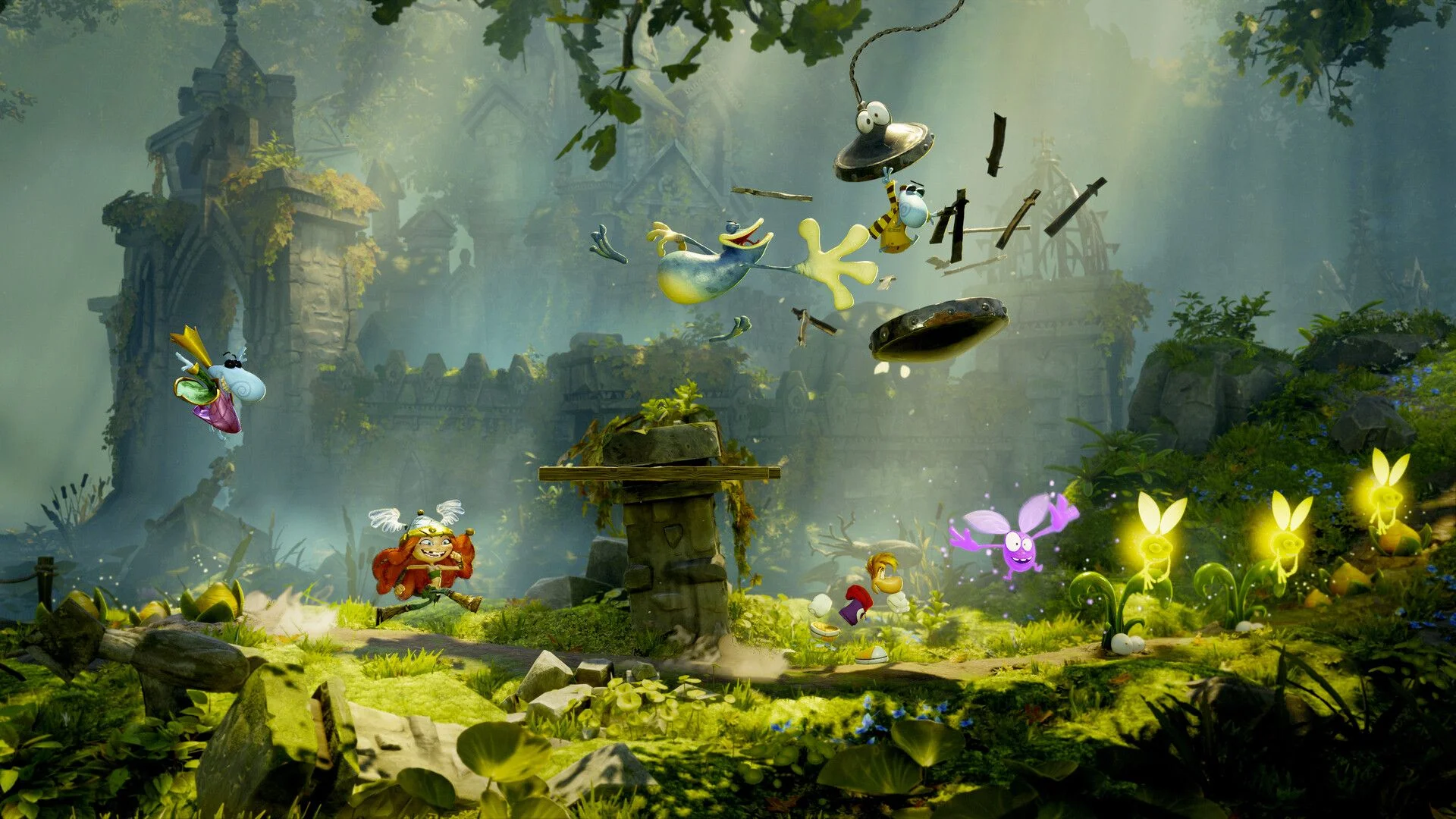
The remake also gives Rayman and his friends more opportunities to speak. Atanasyan says the team worked to bring back voice performers from the previous game, and characters will talk in cinematics as well as during gameplay. In co-op, players can hear them respond to one another, adding character moments to the action.
Balancing those performances with music and sound effects comes down to timing. Atanasyan says the team tries to give each sound its own space, distributing voices, score and effects across the level instead of letting them compete at once. The aim is to preserve the series’ comic timing while letting more emotional moments register.
Kirkhope credits Atanasyan with bringing the different audio elements together. For Retold, the score’s direction, the adaptive musical cues, character performances and environmental effects all depend on the same kind of coordination: clear intent from the team, early feedback and room to revise as the level develops. The December 3 release will show how those pieces work in motion, where the music has to respond to the player without losing the personality that makes it feel like Rayman.



Discussion
Sign in to join the discussion.