Stage Tour reinvigorates the rhythm game genre with a modern twist, capturing the essence of Guitar Hero while delivering a thrilling experience.

The Return of a Classic
Since the conclusion of Guitar Hero Live in 2015, fans have yearned for the joy of strumming plastic guitars and jamming to rock classics. The franchise, once synonymous with the rhythm game genre, saw a significant drop in interest following its last iteration. While games like Fortnite Festival attempted to fill that gap, they failed to resonate with fans of the Guitar Hero series, who seek a more immersive and music-focused experience. Enter Stage Tour, a promising title from Red Octane Games, the team behind the original Guitar Hero. This revival isn't just a nostalgic nod; it marks an ambitious attempt to capture the magic that made the series a cultural phenomenon.
A Nostalgic Yet Fresh Experience
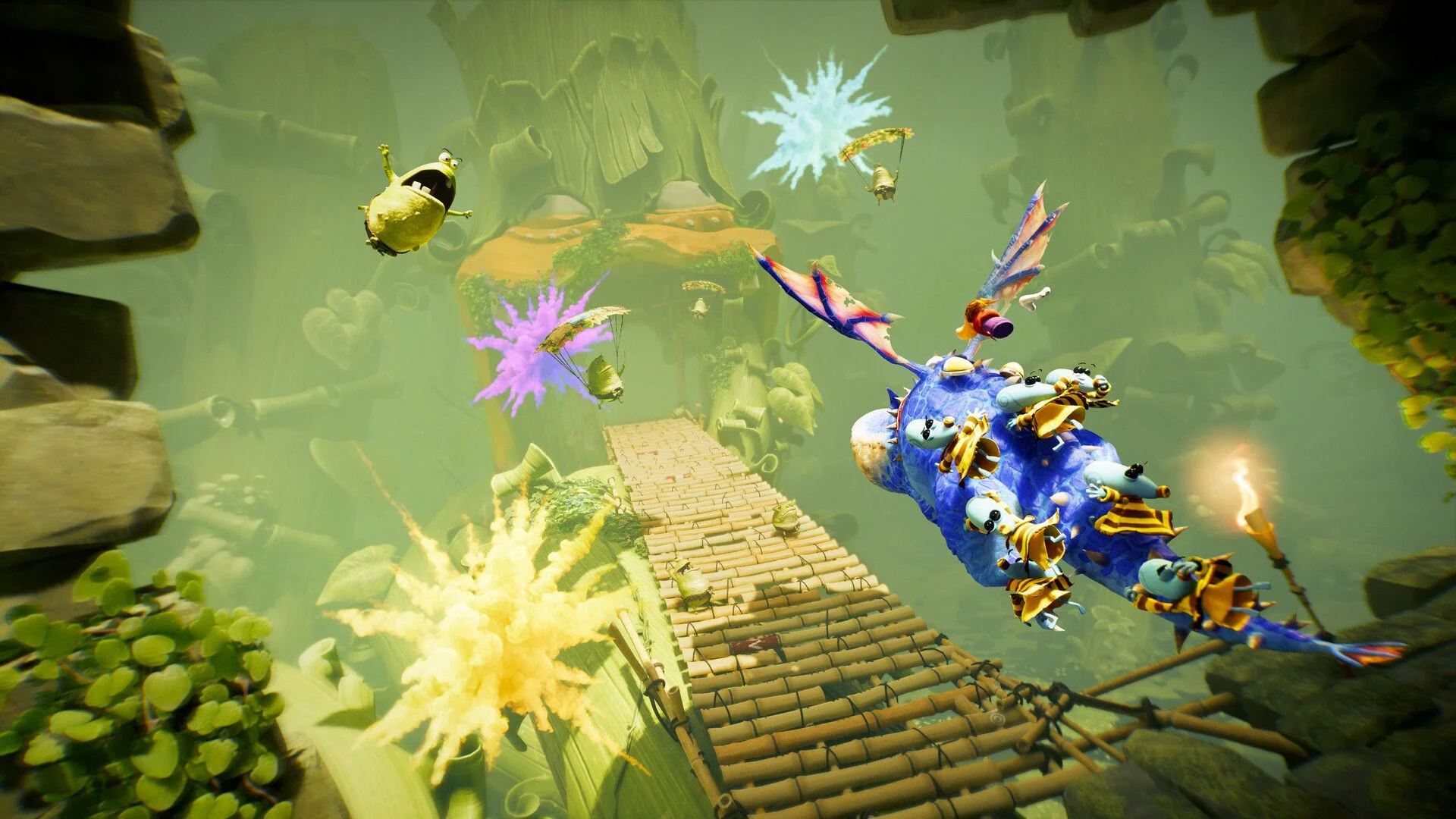
This new installment shines right from the start, marking it as one of the standout games at Gamescom 2026. With its vibrant cartoonish characters and over-the-top arenas, Stage Tour skillfully pays homage to its predecessors while providing a modern gaming experience. The confirmed setlist evokes nostalgia, featuring tracks that remind players of their emo and grunge pasts. Such a selection is key; nostalgia sells, but it has to be accompanied by a fresh execution to attract players who may be wary of a simple rehash. This balance is crucial because fans of rhythm games are discerning and often crave innovation alongside familiar mechanics.
Understanding Fan Expectations
Red Octane Games clearly understands what fans crave. The game embraces its roots without hesitation, promising a rich array of gameplay elements that are likely to capture both new and returning players. This can be seen in how the game incorporates a variety of gameplay modes, from solo play to multiplayer competitions, which amplify the sense of community that many players miss in modern gaming environments. Expect an engaging experience that meets and possibly exceeds nostalgic expectations. After all, rhythm games thrive on interaction and proximity, not just competition.
The Evolution of Rhythm Games
The decline of Guitar Hero and similar franchises like Rock Band coincided with the rise of mobile and casual gaming, which shifted player interests. These changes forced traditional rhythm games to find new ways to monetize and engage with an audience that had become more fragmented. While titles like Beat Saber have successfully carved out their niche in VR, there’s still a longing for the classic setup that defined a generation of gamers. Stage Tour, given its heritage and development by the original creators, seems poised to reignite that spark. The challenge now will be whether it can adapt to the contemporary gaming landscape while retaining the essence that made its predecessors icons.
Gameplay Mechanics and Innovations
Incorporating fresh mechanics is vital for any game looking to re-enter a crowded market. Stage Tour promises a revamped controller experience that might appeal to seasoned players and newcomers alike. Instead of relying solely on button presses, which can feel outdated, the game may explore motion controls or even integrate unique feedback systems that reflect the on-screen action. These enhancements could elevate the gameplay experience, providing a level of interactivity that players have come to expect. With the industry increasingly focused on sensory engagement, how Stage Tour tackles this challenge may determine its longevity.
The Importance of Setlist and Licensing
A well-curated setlist can make or break a rhythm game. With a tracklist that leans heavily into nostalgia, Stage Tour aims to attract players by reviving fan-favorite tracks while likely including newer sounds that reflect today's music scene. Licensing remains a complex issue in gaming, often complicating development and impacting a title's financial viability. If Red Octane secures the right tracks, the game could draw considerable community attention, allowing it to stand shoulder to shoulder with competing titles that promise similar experiences. More than simple nostalgia, a dynamic setlist can introduce younger players to iconic tracks, creating intergenerational experiences.
Anticipation and Marketing Strategies
How the game is marketed will also play a critical role in its reception. Social media buzz, influencer gameplay previews, and nostalgic campaigns are pivotal in rekindling interest. Fans are more likely to engage if they feel included in the game's revival rather than as mere bystanders. Involving the community through beta tests or feedback sessions could strengthen ties, which is a strategy that has proven effective in recent successful game launches. Just look at titles that have embraced community-driven development; they often enjoy heightened loyalty and interest.
Implications and Future Outlook
So, what does this all mean? If you're working in this space, it signifies a potential resurgence of interest in rhythm games that could influence future titles across the genre. Companies may ultimately take notice; revival efforts could lead to a new wave of classic franchises reimagined for modern audiences. There’s a delicate balance at play: leverage nostalgia without alienating newer gamers. As Stage Tour approaches its launch, it will be key to observe how it blends the old with the new. This could well set the tone for how other nostalgic franchises choose to navigate their returns. Will it lead to a renaissance for rhythm games, or will it fade into the background like its predecessors? Only time will tell. But the anticipation surrounding the game is palpable and speaks volumes about the ongoing relevance of music in gaming.

Discussion
Sign in to join the discussion.