Hell Is Us builds a gripping, unsettling world on Switch 2, but repetitive fights, confusing navigation and visual pop-in blunt its impact.
A war story told through its world
Hell Is Us is most compelling when it asks players to read the world around them. Its war-scarred setting and refusal to hand out directions give exploration real stakes, but on Nintendo Switch 2, repetitive combat and distracting pop-in weaken the experience. Rogue Factor has a distinctive idea here; the execution only partly delivers.
Set in Hadea, a fictional country torn apart by civil war between the Sabinians and Palomists, the game fills its spaces with abandoned military equipment, ruined settlements and evidence of atrocities. These details work as more than scenery: they make the conflict feel present even when no one is explaining it. Supernatural creatures add another threat to a place already shaped by human violence, though the human history remains the more unsettling source of dread.
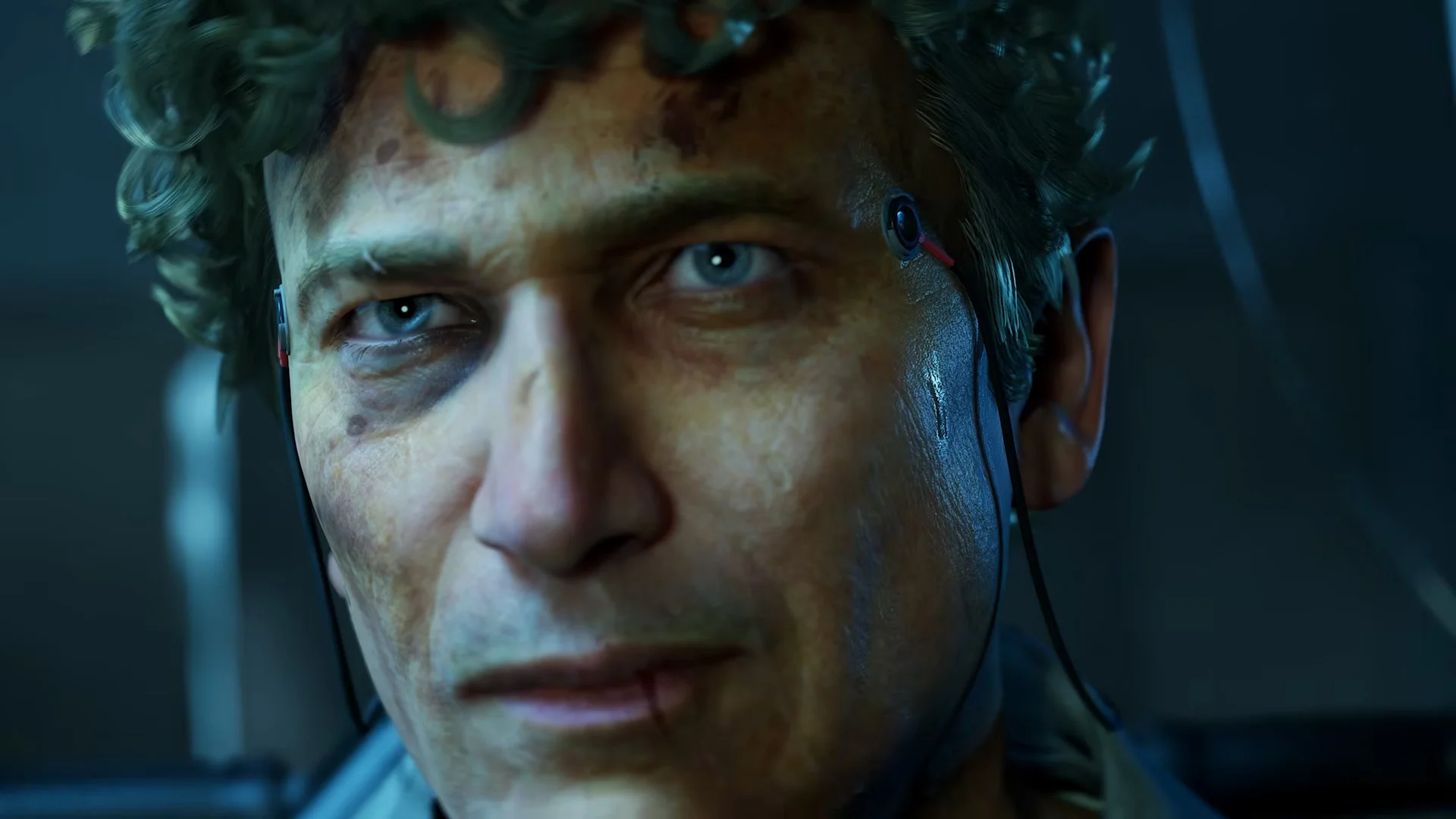
You play as Remì, searching for his family while becoming entangled in Hadea’s history. He’s a fairly subdued lead, and that restraint can leave him feeling distant. The people he meets, recordings he finds and fragments of information around him give the setting its force, gradually revealing how the country’s divisions have shaped ordinary lives.
The story resists an easy division between good and evil. It traces how propaganda and the dehumanization of others can keep violence alive even after its original causes fade from view. That focus gives the adventure more purpose than monster hunting alone. Its accounts of ordinary people committing terrible acts are grim, sometimes deeply unsettling, and central to what the game is trying to say.
Discovery without directions
Hell Is Us offers no minimap or objective markers to lead the way. Progress depends on listening carefully, noticing landmarks and connecting clues found in conversations, notes and the environment. A detail that seems incidental can become useful much later, asking you to remember not only what you saw but where you saw it.
When it works, the approach is satisfying. Finding a route through an unfamiliar area or solving a puzzle through observation makes discovery feel earned; the game trusts you to form a theory and check it against the world. That’s a meaningful change of pace from adventures that turn every destination into a marker on a screen. Here, getting lost can be part of learning the place.
But the design relies on spaces being distinct enough to remember. Hadea’s underground areas can blur together into grey corridors, and without a map it’s easy to lose track of where you’ve been or which locked door you meant to revisit. The friction isn’t always productive. Sometimes the challenge is interpreting a clue; sometimes it’s simply reconstructing your route.
Quest entries and collected notes help, but they spread important context across enough places that keeping track can feel like a chore. The game wants attention and curiosity; at times, it asks for more memory than the journey can comfortably support. (And this is the part most people overlook: a navigation system can be absent by design and still need to make the world legible.)
Fights struggle to keep pace
Combat is built around stamina, dodging and measured attacks, encouraging players to choose a moment rather than swing wildly. The weapons have different attack patterns, giving you some reason to adjust your approach, and the deliberate pace could suit the game’s broader emphasis on observation. It asks for patience.
The problem is that limited enemy variety leaves that rhythm with little room to develop. Encounters start to feel familiar, so the same careful exchanges can lose their tension as the adventure goes on. This is more significant than it looks: combat occupies time that could otherwise deepen the game’s central ideas, and repetition makes those stretches feel like interruptions rather than pressure.
The sameness stands out beside the game’s ambition elsewhere. Its supernatural sequences have a distinctive visual identity, but Switch 2’s technical presentation can undercut the mood. Objects popping into view are especially noticeable when distant landmarks also help you navigate. If you’re working out where to go, a sudden change in what the landscape displays can make the world feel less dependable.
Sound keeps Hadea on edge
The audio does more to sustain the atmosphere. Dissonant electronic drones and distant screams make even quiet, apparently empty areas feel unsafe, creating tension without requiring a visible threat at every turn. Hadea has moments of beauty, but the sound keeps danger close.
That restraint suits a game built around uncertainty. The environment doesn’t need to explain every danger for you to feel watched, and the contrast between quiet spaces and sudden signs of violence gives exploration a sharper edge. The result is one of the game’s clearest successes.
What the experiment needs next
Hell Is Us is an intriguing, uneven experiment. Its world and its account of human cruelty linger longer than its combat does, while opaque navigation and visual pop-in make parts of the journey harder than they need to be. The numbers here are underwhelming in a practical sense: the game’s strongest ideas don’t consistently carry through to the moment-to-moment play.
Rogue Factor’s approach has a clear appeal for players who want to investigate rather than follow a trail of prompts. But that kind of exploration depends on a world that stays readable, and on repeated encounters that keep asking something new of the player. The atmosphere gets Hadea under your skin; the uneven execution keeps the game from fully earning its ambitions.
Its ideas are worth following. The next step is giving them a more consistent frame.

Discussion
Sign in to join the discussion.