The Tsaritsa, also known as Anastasya, is set for a 7.3 debut. Her role in the Fatui and plans for the Gnoses remain central to her story.
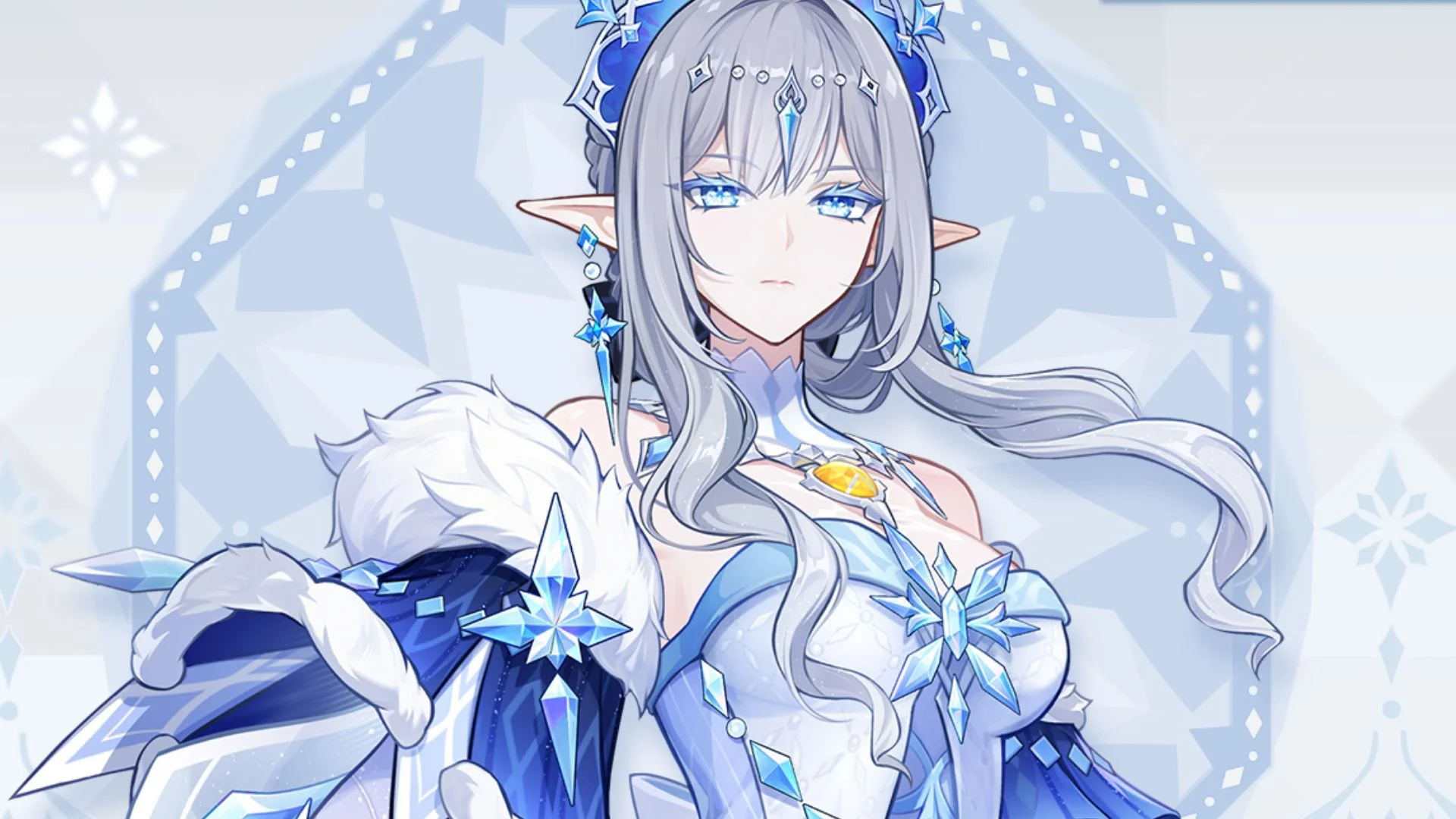
Genshin Impact’s Tsaritsa is poised to move from a distant force in Teyvat’s story to a playable character. HoYoverse’s November 6, 2026 drip marketing points to an update 7.3 release, putting the Cryo Archon’s debut within reach after years of anticipation. That timing turns a long-running story presence into a practical question for players: what will the game reveal once its most consequential unseen ruler can speak and act on screen? The announcement establishes a release window, but it doesn’t answer that question. For now, the gap between what the story has suggested and what it has confirmed is part of the appeal.
Officially named Anastasya, she is a five-star Cryo character and the ruler of Snezhnaya. Her arrival could bring new context to the Fatui’s pursuit of the other Archons’ Gnoses, a campaign that has shaped the story across multiple regions. A playable version also gives HoYoverse a direct way to connect her character to the player’s journey, rather than relying on reports from other characters or fragments of lore. That shift matters: a figure can feel imposing at a distance, but a playable debut has to make her motives and personality legible in a more immediate way.
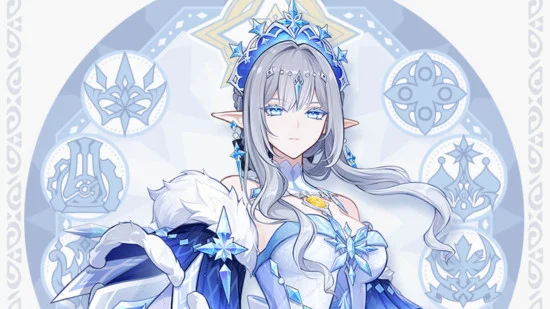
A ruler who took power after the Archon War
The Tsaritsa is one of The Seven, though she wasn’t among the original Archons. She rose to power after the Archon War and before the Cataclysm, which devastated Teyvat 500 years ago. That history places her accession between two major upheavals, but the available account doesn’t explain what brought her to power or what her rule looked like at the start. The distinction is useful: knowing where she sits in the timeline gives her story a frame, while leaving the causes and consequences open for the game to explore.
Her title carries different shades across the game’s localizations: “Tsaritsa” is Russian for Empress and is related to Tsar, while the Chinese and Japanese versions use “Empress of Ice” and the Korean version says “Queen of Ice.” Those choices suggest both political authority and an association with cold, though titles alone can’t settle how the character will be written. The variations also show how a name can carry different emphasis across languages. Anastasya’s debut will have to make those ideas cohere through her actions, not just her rank.
She commands the Fatui, whose agents follow her orders. The Harbingers lead the effort to collect the other Archons’ Gnoses, while ordinary Fatui forces include enemies such as Cicin Mages and Mirror Maidens. The scale of that organization gives the Tsaritsa influence across Teyvat even when she isn’t physically present in a region. It also means her story is already entangled with many characters’ experiences of the Fatui, whose methods have often made the organization a source of conflict.
The Tsaritsa also grants Delusions—artificial counterparts to Visions—that let Fatui wield elemental power. That detail complicates the idea of her as simply a distant ruler: her authority reaches into the tools her followers use and the risks they take. Similar systems in fantasy stories often make power feel political as well as personal, because access to it depends on a leader or institution. Here, the source establishes the connection, while leaving its broader cost and purpose for the story to clarify.
Her motives remain deliberately unclear
Dainsleif’s account in the Teyvat Chapter Storyline Preview paints a grim picture of her relationship with Snezhnaya: he says she has no love for her people, and that they no longer love her. He also foretells a rebellion against the divine. This is more significant than it looks, because it frames the Tsaritsa’s campaign as more than a hunt for powerful objects; it hints at a political rupture with the order governing Teyvat. But a prediction isn’t a full explanation, and the game hasn’t yet laid out how the people of Snezhnaya understand their ruler or her aims.
The Tsaritsa’s campaign for the Gnoses may connect to that conflict and to her opposition to Celestia, though the story has yet to spell out the full plan. The distinction matters. The collection of the Gnoses is an established part of the Fatui’s activity, while the precise reason behind it remains unresolved. Players can connect those actions to the foretold rebellion, but the available clues don’t establish every link. That uncertainty gives the eventual reveal room to surprise, while making restraint in interpreting the hints sensible.
Her dealings with Morax offer another open question. The Tsaritsa negotiated with the Geo Archon—known to Travelers as Zhongli—and secured his Gnosis. Zhongli says Travelers will discover what she gave him in return as they continue through Teyvat. That exchange suggests negotiation can sit alongside the Fatui’s more coercive reputation, but it doesn’t tell us what the bargain involved or how either character judged its cost. A promise of a later answer can keep a mystery alive; it can also make the eventual explanation carry more weight than a simple plot reveal.
Tartaglia describes her as “actually a gentle soul,” a striking contrast with the Fatui’s reputation and her declaration of war on the world. He says she dreams of peace. What changed her, and how the Cataclysm shaped that shift, remain unresolved parts of her history. The contradiction may be deliberate: a character can seek peace while choosing methods that appear brutal to others. Still, “gentle” is Tartaglia’s description, not a settled account of her character. If you’re working through the Fatui storyline, that difference is a useful guide to what’s known and what’s still interpretation.
What her debut could change
With a 7.3 debut on the horizon, Anastasya’s playable arrival looks set to put those unanswered questions closer to the center of Genshin Impact’s story. The move could give players a clearer view of Snezhnaya’s ruler at the point when her plans have already affected several regions. It may also change how earlier encounters read: past actions can look different once the person directing them is no longer a distant name. The challenge will be to provide new context without making every mystery feel as though it existed only to delay her entrance.
There’s a character-design challenge here, too. A playable Archon has to function as a character players can spend time with, while the story’s established version of the Tsaritsa carries the weight of war, political command, and a possible revolt against the divine. Those roles don’t automatically fit together. HoYoverse will need to show how the person behind the campaign relates to the ruler described by others, and how her stated dream of peace survives the means she’s chosen.
And this is the part most people overlook: an arrival can answer questions and create new ones at the same time. The known facts establish her position, her organization, and several clues about her aims; they don’t yet establish her full plan or explain the turning points in her history. The reveal may be less satisfying if it treats every contradiction as a puzzle with one neat solution. More interesting, perhaps. The Tsaritsa’s debut will matter most if it makes her choices understandable without asking players to accept them uncritically.
That said, the announcement alone doesn’t tell us how much of her history the update will address. The confirmed prospect is a playable Cryo character and Snezhnaya’s ruler; the deeper payoff depends on what the story chooses to disclose. Her arrival could bring the Fatui’s pursuit of the Gnoses into sharper focus, but the motives behind that campaign remain open. For now, the anticipation rests on a character whose influence has been clear for years and whose own account is still missing.
Discussion
Sign in to join the discussion.