Memory costs could push the next Xbox toward $1,200–$1,800 and the PS6 toward a lower but still steep price range.
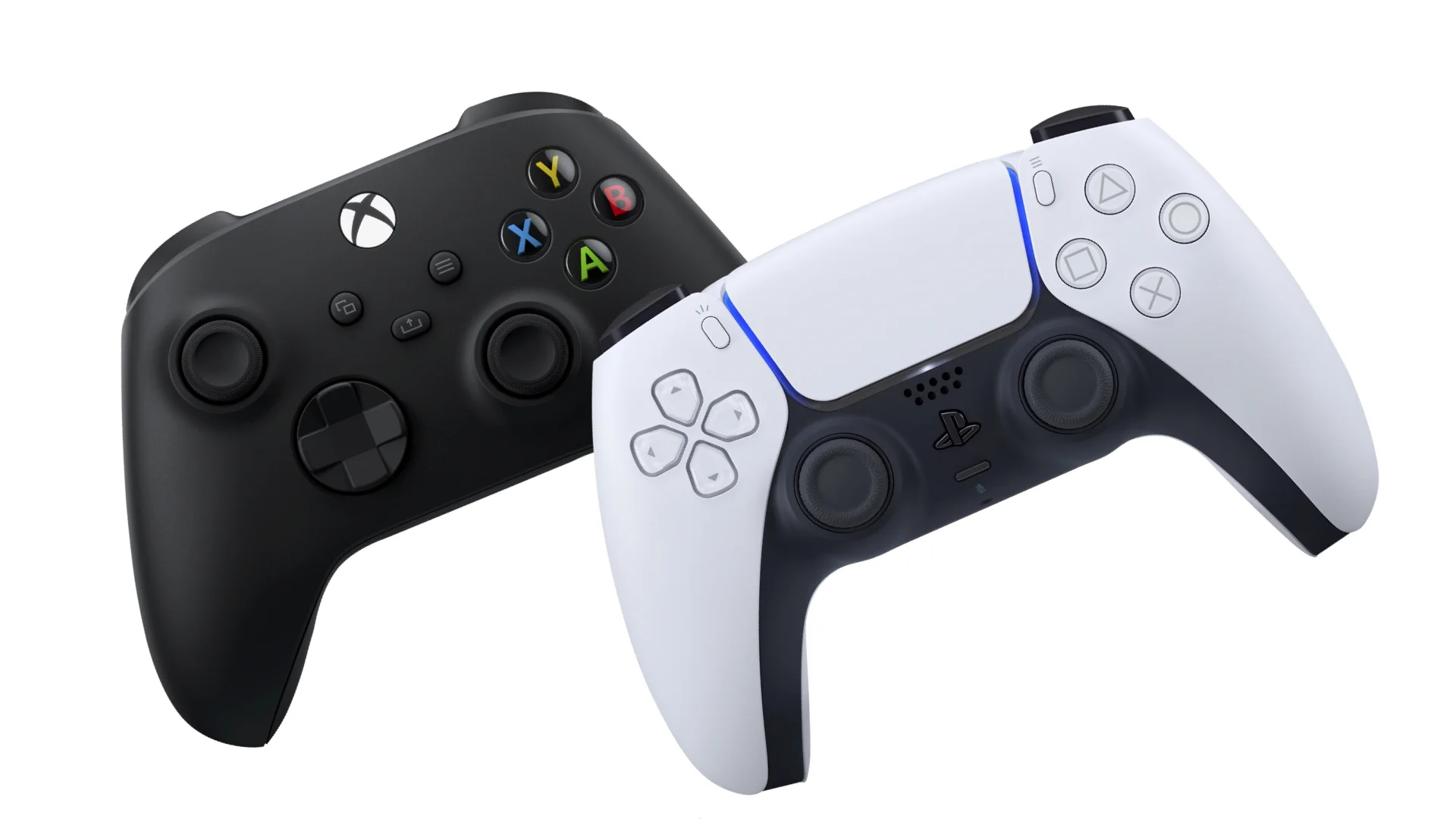
The next console generation may be defined less by graphics than by what buyers can afford. A reported Xbox estimate puts Project Helix at $1,200 to $1,800, while separate claims about PlayStation 6 costs point to a lower bill of materials that could still translate into a four-figure price. These figures are projections, not announced retail prices, but they suggest that memory shortages could reshape the console market before either machine arrives.
Project Helix’s reported cost range
A Fortune profile of Xbox CEO Asha Sharma has brought a striking estimate into focus: Microsoft reportedly expects its next console to cost between $1,200 and $1,800 to produce or price, according to the report’s account of internal projections. The source article describes the range as a projected consumer price, though the underlying details remain limited. At either end, that would put the machine far above the Xbox Series X’s launch price.
The span itself matters. A $600 difference between the lower and upper estimates suggests the eventual price is highly exposed to costs that could change before launch. It also makes confident predictions about what consumers will pay premature. The report doesn’t establish a final price, configuration, or launch plan, and Microsoft hasn’t announced those details.
Still, even the lower estimate would mark a break from the relatively accessible prices that helped make consoles a mass-market purchase. At the top of the range, Project Helix would approach $2,000. That would leave Microsoft with a difficult choice: absorb some of the cost, reduce the hardware ambition, or ask buyers to pay a premium that console audiences haven’t typically faced.
Memory shortages complicate the PS6 outlook
The same cost pressure is hanging over Sony’s rumored PS6. Hardware insider Kepler_L2 has claimed that RAM and NAND alone could cost about $680 to manufacture. That figure doesn’t represent the full console bill of materials, and it doesn’t establish a retail price. It does, however, put the reported $1,000 PS6 price rumor in a more uncomfortable light: other components, assembly, shipping, and retail costs would also have to fit into the final calculation.
Kepler_L2 has also suggested that the PS6’s bill of materials could be about $200 lower than that of Magnus, the reported codename for Project Helix. If both estimates use comparable assumptions, Sony may have more room to price below Microsoft. But a lower relative cost doesn’t make the PS6 inexpensive. The article’s suggested range of $1,000 to $1,600 relies on applying the same projections to both systems; it is an inference, not a confirmed Sony price forecast.
Sony has signaled that it doesn’t want to sell hardware at “significant losses,” according to CEO Hiroki Totoki. That stance could limit how much the company is willing to subsidize a launch price. Microsoft could choose a different approach to compete, but subsidizing a high-cost machine would bring its own tradeoffs. Neither company has laid out its pricing strategy.
A longer generation, and a handheld first
Timing adds another layer of uncertainty. Earlier rumors placed both new consoles in the Holiday 2027 window. The Fortune report, as described in the source article, instead points to a next-generation Xbox handheld in Holiday 2027 and the next console in 2028. If that timing holds, the current console generation would stretch to about eight years.
The handheld could give Xbox a way to reach players with a different form factor while it waits for the larger console. The report also describes friction between Xbox and Windows teams over the device’s operating system, with one Xbox executive reportedly wanting to cancel the project. Xbox is now said to be “largely controlling” the OS. Those details suggest the handheld’s software direction has been a live internal question, though they don’t resolve how the finished product will work or what it will cost.
Xbox’s Ally and Ally X haven’t transformed the handheld PC market, according to the source article’s assessment. That makes the new device’s timing and price central to its prospects. Recent changes to cloud gaming hours could also fit a broader effort to make handheld play part of Xbox’s offer, but the report doesn’t provide enough detail to say how the device will connect with cloud services or console games.
A 2028 console launch would also give PlayStation a choice. Sony could follow Xbox’s timing, launch its own hardware earlier, or bring the rumored PS6 handheld forward. None of those plans is confirmed. If Sony did reach players with a new handheld or console first, it could gain a timing advantage; if Xbox’s handheld arrives in 2027, it would have a head start in that category. The practical effect depends on products and prices that remain unknown.
Today’s sales make a costly transition harder
Neither company can count on current hardware to carry the market indefinitely. The source article reports that U.S. Xbox sales reached a low for the year as of August, while PlayStation had its weakest sales for the same period since 2013 despite nearing 100 million PS5 consoles shipped. Those figures frame the next-generation challenge: both companies may be planning expensive new devices as sales of their existing machines soften.
Grand Theft Auto 6 could lift hardware demand, but that remains a possibility rather than a reliable fix. Even a strong boost from one major release wouldn’t answer how long buyers would sustain demand, or whether it could offset higher console prices. Price increases have already affected current hardware sales, according to the source article, compounding the pressure from memory shortages.
Regional availability could become another consequence of a higher price. Xbox has had a limited presence in Japan for decades, and the source article raises the possibility that expensive hardware could prompt Microsoft to prioritize markets it considers more commercially attractive. That is speculation; there’s no reported decision to restrict availability. Still, a console priced far above previous generations would test demand across markets, including the United States, Canada, and Europe.
The sharper question is whether either manufacturer can make the next generation feel worth its cost. Better performance alone may not persuade players facing a major price jump, particularly if current games continue to sell on existing hardware. A launch subsidy could soften the sticker shock, but would mean the company accepting lower returns on each unit. A smaller technical leap could ease costs, yet weaken the reason to upgrade.
Memory pricing, launch dates, and final hardware designs remain unsettled, so today’s estimates should be treated as warning signs rather than price tags. But they point to a real shift in the discussion: PS6 and Project Helix may compete not only on performance and games, but on whether console makers can offer a next-generation upgrade at a price their audiences will accept.
Note: The views expressed in this article are those of the author and do not necessarily represent the views of, and should not be attributed to, GamingBolt as an organization.

Discussion
Sign in to join the discussion.