Eight open zones, useful side quests and flexible builds give Phantom Blade Zero’s Wulin a chance to make exploration count.
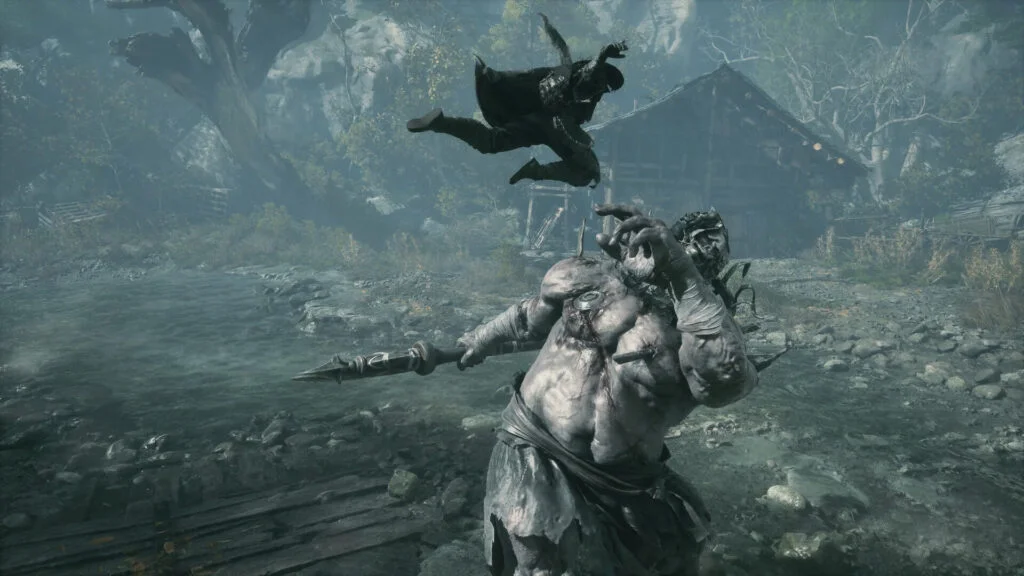
Phantom Blade Zero has drawn attention for its fast, elaborate swordplay, but the Wulin—the game’s martial arts and steampunk world—may determine whether those fights feel part of a larger adventure. Its design points toward a useful relationship between exploration and combat: detours can yield tools, traversal exposes hidden routes, and the regions themselves are meant to hold interest after their enemies are gone.
That’s the promise, at least. The game is still close to release, so the full experience remains unproven. But the details shown so far suggest developer S-Game is treating the world as more than a backdrop for Soul’s battles. If its maps, side stories and progression systems work together, the Wulin could give players reasons to explore beyond the next encounter.
Eight zones, built for detours
The game is set to include eight distinct maps. Each is described as a sizable open zone with a main route toward the next story beat and optional paths branching away from it. That structure will sound familiar to players of action games such as Nioh 3, but its effectiveness here depends on how well the spaces support the story’s mix of wuxia and steampunk.
Early footage suggests movement will do some of that work. Soul can run along walls, climb chains and swing from them, opening routes through levels built with height and layered paths in mind. The appeal isn’t just getting from one fight to the next faster. Vertical traversal can turn a familiar-looking route into a search for overlooked ledges, hidden rooms or a better angle on the area.
There’s a reason games such as Marvel’s Spider-Man make travel itself memorable: when moving through a place feels good, players are more inclined to wander. Phantom Blade Zero doesn’t need to copy web-swinging to benefit from that principle. Its wall runs and chain movement could make navigation feel like part of Soul’s martial skill set, giving exploration a physical rhythm that fits the combat.
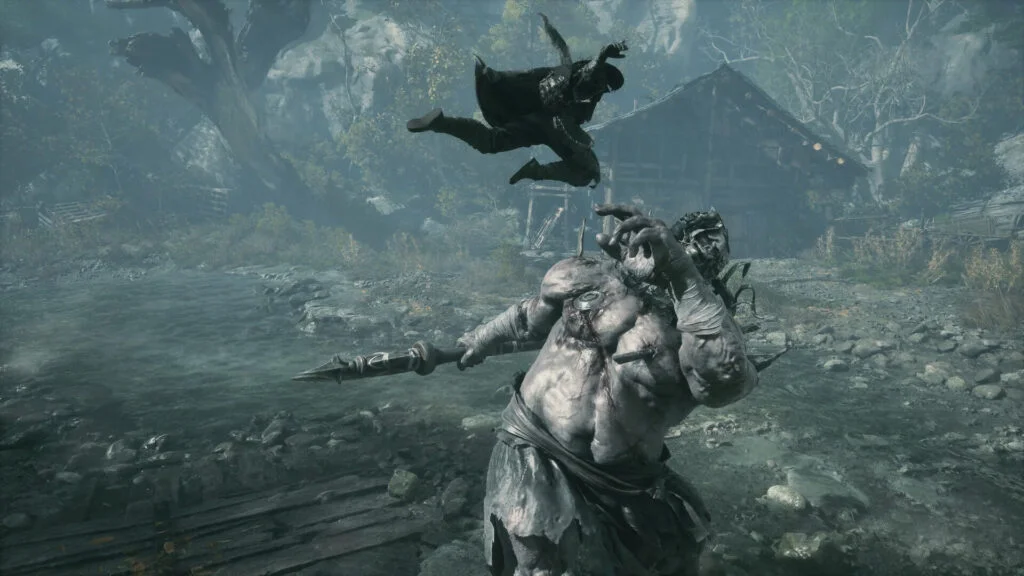
Traversal alone won’t make eight maps worth exploring. The stronger question is whether the game gives players something meaningful to find once they leave the main path. Here, early examples of side content suggest that curiosity may lead to rewards with a direct effect on how Soul fights.
Side stories with practical rewards
Soul’s journey puts him under pressure: he has a limited window to restore his heart and clear his name, while enemies stand between him and both goals. That urgency could make optional conversations feel like distractions. The side content shown so far offers a counterargument: a small request can lead to equipment that changes the combat toolkit.
One preview showed an archer asking Soul to retrieve his damaged bow. The errand might seem minor beside Soul’s own crisis, but completing it earns a ranged Phantom Edge. That’s a useful payoff because it connects a human encounter in the world to a practical option in battle.
A single example can’t establish how consistently the game handles side quests, and not every request needs to produce a weapon. Still, the bow story shows how optional content might earn its place. Players aren’t simply collecting background details about the Wulin; they may come away with a tool that changes how they approach later fights.
Maps are intended to point toward discoveries rather than mark every route in detail. Reaching those discoveries means reading the level and using Soul’s traversal skills. Some areas are also locked behind specific tools, adding a reason to remember places and return when new options become available. Together, these systems could give exploration a clear purpose without turning every detour into a compulsory objective.

The design also asks players to spend time with the people Soul meets along the way, even as his story pushes him toward a personal reckoning. That tension could make brief encounters carry weight: helping someone might provide a concrete advantage, while the conversation itself gives a region more texture than a chain of combat arenas would.
A different rhythm for revisiting areas
Two progression choices could shape how players use the Wulin after an initial visit. Enemies that have been killed stay dead when Soul returns to an area. At the same time, players can change weapons and skills freely, without committing to a single build or starting a new playthrough to experiment.
Keeping cleared enemies out of the way changes the purpose of a return trip. Players can revisit an area to search for missed paths and secrets without fighting through the same group again. That could make the world easier to read on a second pass, especially where traversal and tool-gated routes reveal more than the main path does.
There’s a cost to that approach. Fewer repeat encounters mean less combat on revisits, and the game’s maps will need to sustain attention through their environments and discoveries. Enemy persistence also has a progression consequence: if foes don’t respawn, the experience available for upgrades is limited. Players may need to think carefully about where they spend it, while the freedom to respec gives them room to test different approaches.
That combination could support both deliberate planning and experimentation. A finite supply of experience gives upgrades weight; flexible loadouts make it easier to try a new weapon or skill setup without treating an earlier choice as permanent. The result may be a campaign where build decisions matter, but don’t lock players into one style.
Regions with their own character
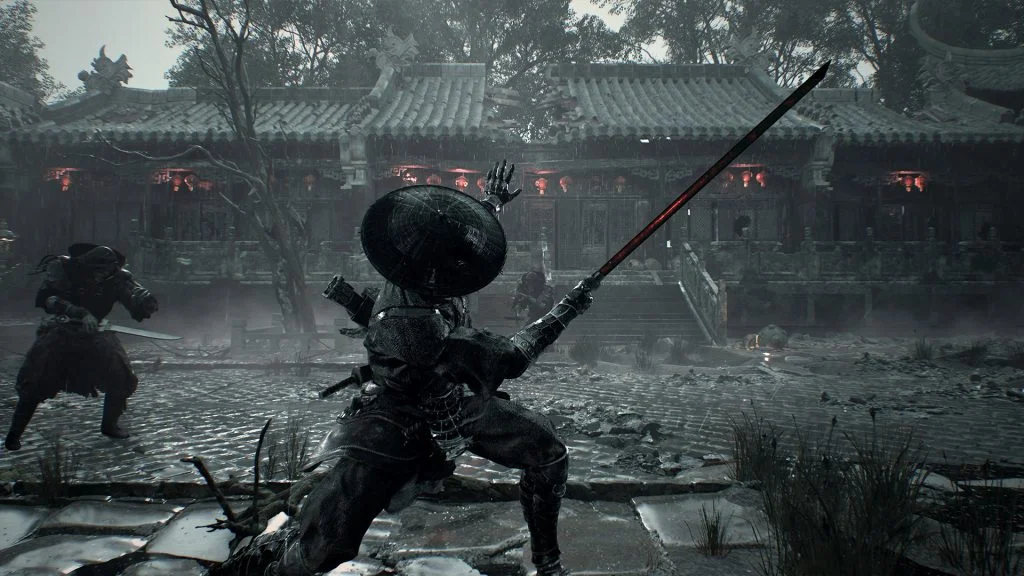
The environments shown so far make a case for variety beyond a change of scenery. A bandit-filled valley, a warehouse with puppets hanging in the air, and a metal tower topped with pagoda roofs and steampunk chimneys each suggest a different visual mood. The tower is also home to the Lion Dance Grandmaster, tying one distinctive location to a named character.
Those images matter because cleared maps won’t keep drawing players back through enemy encounters alone. Distinct geography, architecture and atmosphere can give each region a separate identity, while concealed routes and tool-based access offer reasons to inspect it more closely. The strongest version of this design would make those elements reinforce each other: a memorable place that also changes how Soul moves, explores or fights.
Enemies shown in previews appear tailored to their surroundings, with movesets that reflect the themes of their regions. That connection could help each zone feel coherent, rather than like a collection of unrelated arenas. It also gives the combat system room to respond to the world around it, keeping fights visually and mechanically varied.
Potential still depends on the details
The Wulin’s success will depend on several parts working together. Strong art direction may catch the eye, but traversal has to make exploration enjoyable, and secrets or rewards must justify leaving the main route. The available footage offers encouraging signs, particularly in its side quest example and its combination of vertical movement, distinct locations and flexible builds.
Combat pacing remains an open question. Early enemies have appeared less threatening than the bosses, which could leave stretches between major fights feeling flat. Hardcore mode may offer a more demanding experience for players who want tougher encounters from the outset, but the full balance will become clearer only in the finished game.
My read is that Phantom Blade Zero has given its world a plausible role in the gameplay loop: the Wulin can guide players toward discoveries, give those discoveries combat value, and make cleared areas worth seeing again. The test will be whether that promise holds across all eight maps. If it does, players may remember not only the fights Soul won, but the places that made them want to keep exploring.

Discussion
Sign in to join the discussion.