The Switch 2 handles three demanding Resident Evil remakes well, bringing portable horror to a new audience while each game keeps its original strengths and flaws.
Three big Resident Evil remakes, now portable
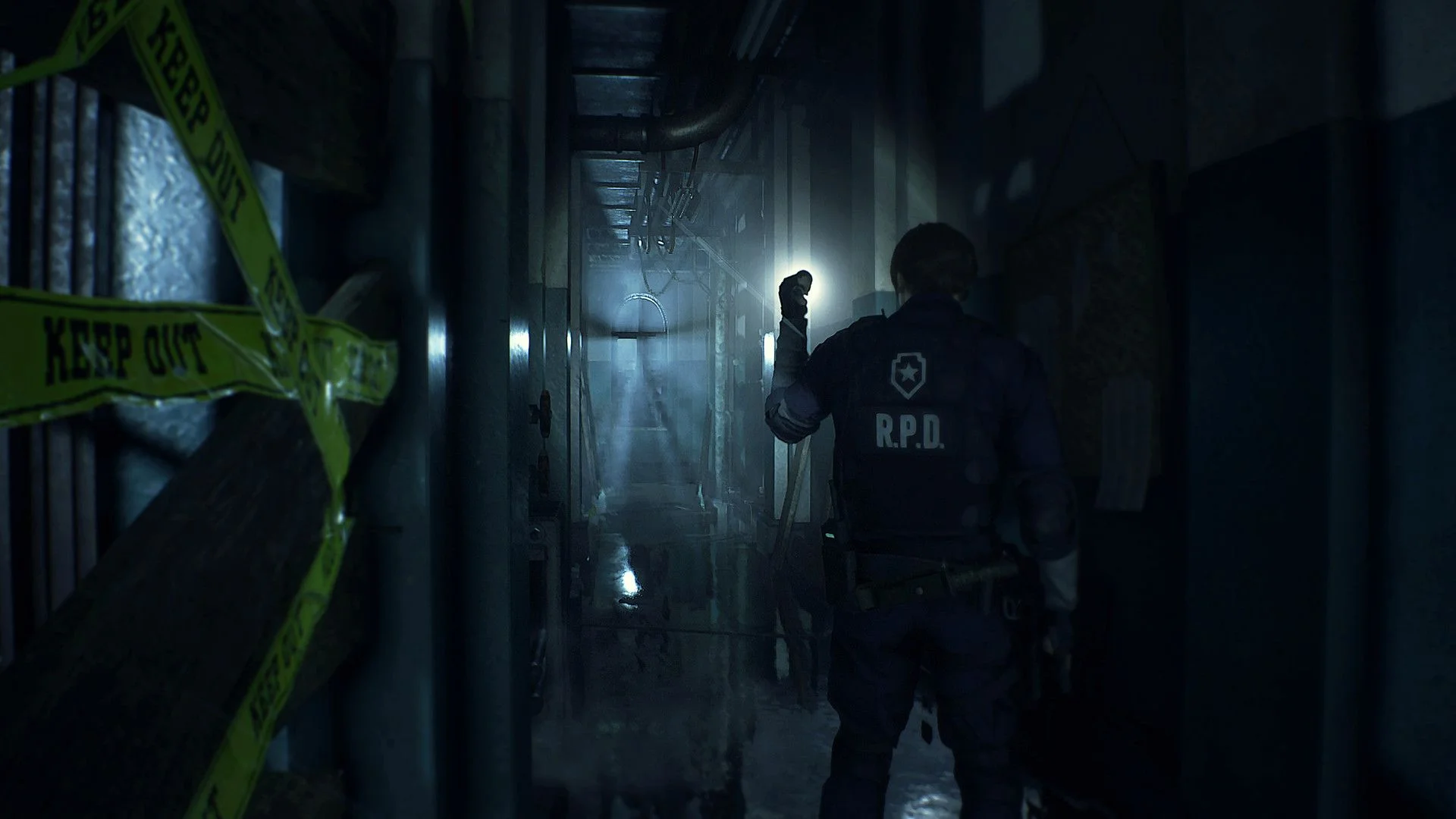
The Switch 2 versions of Resident Evil 2, Resident Evil 3 and Resident Evil 4 make a strong case for bringing demanding console games to Nintendo’s hybrid system. These are technically ambitious titles from the PS4 and Xbox One era, and the ports largely preserve their visual impact and playability. The clearest benefit is practical: players can take three major modern horror games with them, without giving up the experiences that made them standouts on other platforms.
That portability suits the series. Each remake builds tension through close-quarters combat, carefully staged environments and enemies that make safe progress feel temporary. Playing on Switch 2 doesn’t change those qualities, though it does bring some visible concessions. The results vary by game, and the quality of the ports doesn’t make the games themselves equally strong.
Resident Evil 2 remains the standout
Resident Evil 2 is the most persuasive reason to pick up the collection. Leon Kennedy and Claire Redfield’s escape through Raccoon City still has a remarkable grip: its locations are memorable, its puzzles are well judged, and its combat keeps encounters tense. The Raccoon City Police Department, the sewers and Umbrella’s underground NEST facility each give the campaign a distinct sense of place, while the threat of Mr. X makes even familiar routes feel dangerous.
The remake’s design has aged well. It takes the core of the 1998 game and reshapes it into a modern survival horror experience without losing the pressure and uncertainty that define the series. Boss fights bring sharp bursts of action, but much of the game’s strength lies in how it manages the spaces between them: limited resources, locked doors and an enemy that may reappear when least welcome.
On Switch 2, that experience remains compelling. The port makes the game accessible to players who haven’t tried the remake, and gives returning players a practical reason to revisit it. Its gore effects don’t hit quite as hard visually as on more powerful hardware, but the mood and carefully constructed environments still carry the game.
Resident Evil 3 is a good port of a compromised remake
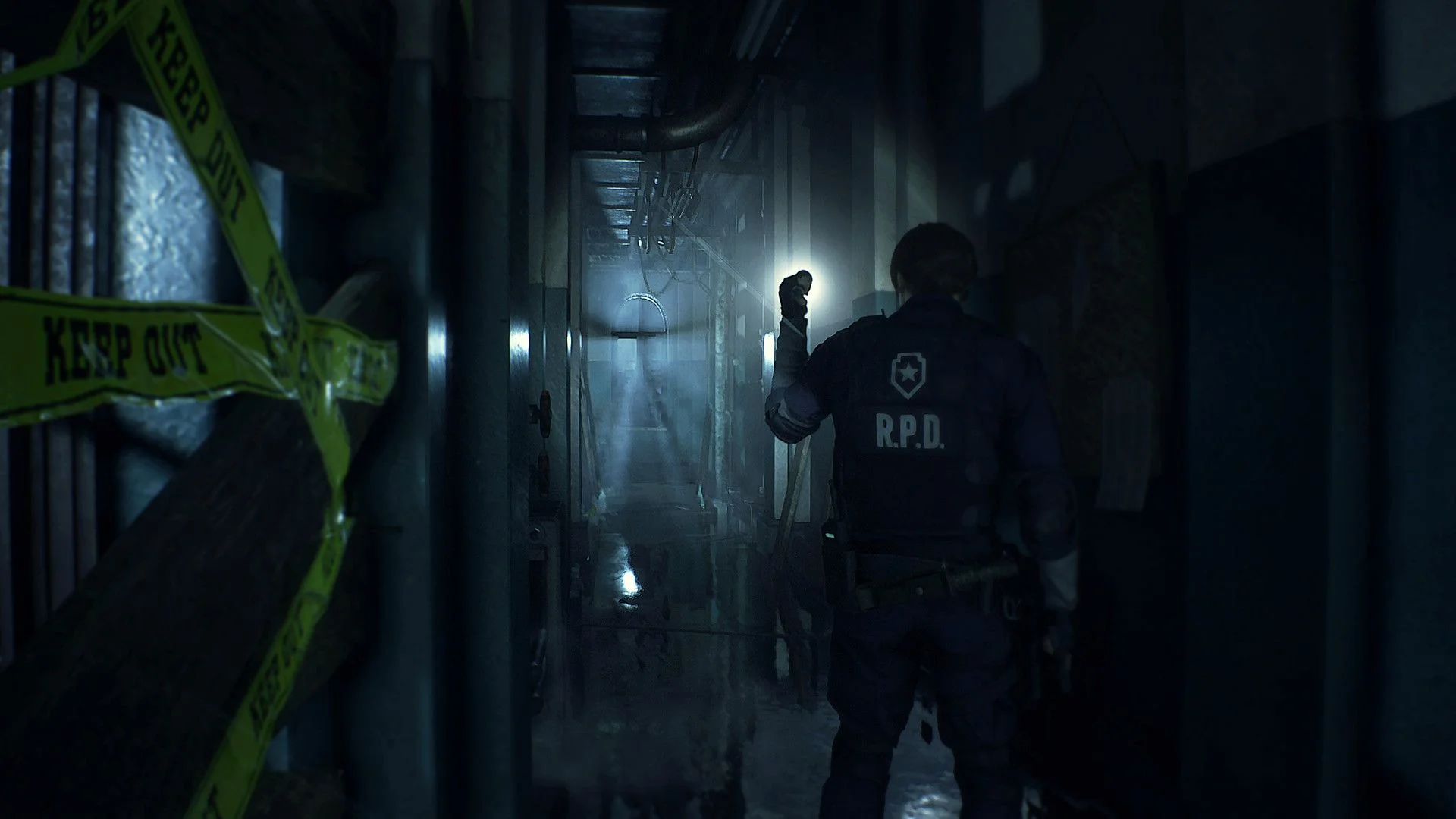
Resident Evil 3 arrives in similarly solid technical shape, but the port can’t solve the remake’s long-standing shortcomings. Jill Valentine anchors the story with a strong performance, and Carlos Rivera makes for an effective partner. Nemesis, the bioweapon pursuing Jill, provides the game with a clear source of pressure. The retelling has enough energy to work as a short action horror game in its own right.
Yet the remake’s omissions remain hard to ignore. The Clock Tower is absent, Raccoon City offers less room to explore than it should, and Nemesis doesn’t maintain the persistent stalking presence that could have made him the game’s defining feature. These cuts and changes left the remake feeling like a narrower interpretation of the 1999 original, and the Switch 2 release carries those same trade-offs.
That makes Resident Evil 3 the least essential of the three, even though its campaign can still be enjoyable. Players looking for brisk action and a strong lead character will find those strengths here. Anyone hoping for a remake that reaches the level of Resident Evil 2, or preserves more of the original game’s scope, may come away disappointed. The port is successful; the source material is simply more divisive.

Resident Evil 4 brings the action
The Resident Evil 4 remake shifts the emphasis toward action without losing the series’ horror edge. Leon S. Kennedy’s mission to rescue Ashley Graham moves through tense encounters and adrenaline-fuelled boss fights, while keeping the camp humor that has long been part of the franchise’s identity. It’s a different rhythm from Resident Evil 2: more forward motion, with set pieces built around combat rather than the same degree of methodical exploration.
The Switch 2 version handles the game’s technical demands well overall, though the limits are easier to spot in places. Textures can pop into view, and some assets load slowly. Those flaws don’t erase the game’s visual impact, but they’re reminders that the port is adapting a demanding release to less powerful hardware. Against the PS5 Pro version, the differences are apparent; on Switch 2, the presentation remains striking enough to support the experience.
Portability comes with visible trade-offs
Across the three games, the Switch 2 shows it can run major releases built for the previous console generation. That’s a meaningful result for players who value a portable option, particularly when the games rely so heavily on atmosphere and detailed environments. The compromises are specific rather than overwhelming: Resident Evil 2 loses some force in its gore effects, while Resident Evil 4 can show texture pop-in and slow-loading assets. The ports still deliver the central appeal of each game.
Capcom has also brought Resident Evil 7 and Village to Switch 2, and Resident Evil Requiem launched on the system alongside other platforms. These three remakes extend that support with a substantial stretch of the series’ modern catalogue. For newcomers, Resident Evil 2 is the strongest place to start; for fans, the trio offers a convenient way to return to familiar campaigns.
My read is that the Switch 2 versions succeed most when judged as portable editions of games that already work. Resident Evil 2 remains the collection’s high point, Resident Evil 3 retains its uneven reputation, and Resident Evil 4 brings an effective action-heavy counterpoint. Together, they show that the console can carry demanding horror games well, with a few visible reductions along the way.
This game was reviewed on Nintendo Switch 2.

Discussion
Sign in to join the discussion.