Recent data shows a decline in AI-related imports, raising questions about their correlation with investment trends in information technology.
Understanding Import Trends
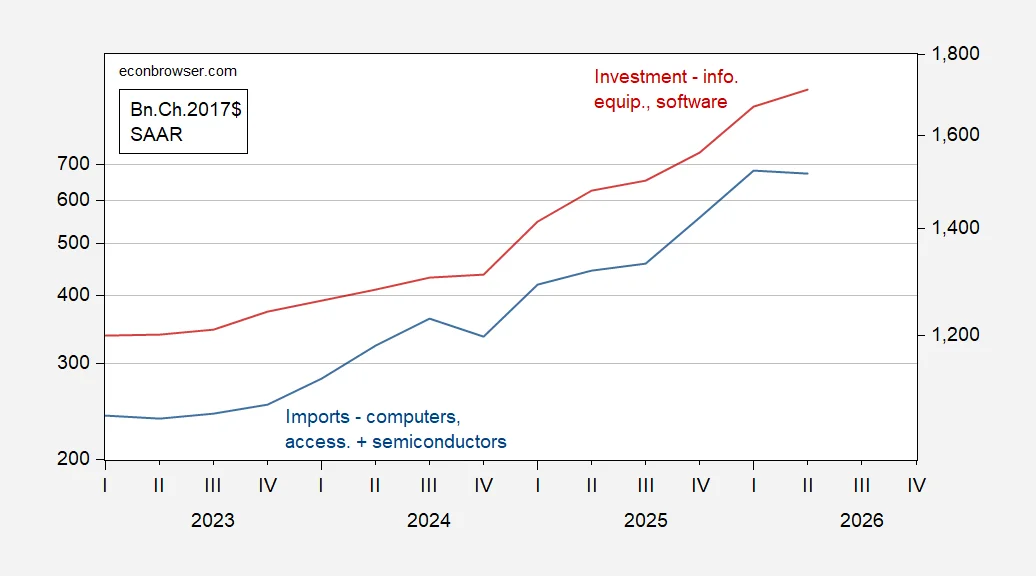
The recent slowdown in imports of computers, peripherals, and semiconductors might indicate broader trends in investment within the technology sector. A decline in these imports is pivotal as it could suggest hesitancy among consumers and businesses to spend on new technology, which is often seen as a leading indicator of economic health. While various factors can contribute to these shifts, the relationship between imports of technology goods and investment growth is particularly intriguing. Data suggests that while there's a measurable correlation—imports of these items seem to drive investment growth—the corollary isn’t as strong. In fact, one can outright reject the hypothesis that investment growth predictably follows import changes. This disconnect raises questions about the future trajectory of the tech sector and signals that simply monitoring imports might not provide a complete picture of the investment environment.
The Role of Imports in Economic Indicators
Imports serve as a vital economic indicator, reflecting both domestic demand and global supply chain dynamics. In the technology sector, imports of computers and chips can be especially telling. When import levels rise, it's often viewed as a sign that businesses are ramping up production or looking to invest in new technology to remain competitive. Conversely, a downturn in these imports could signal caution. This doesn’t just affect the tech industry; it echoes throughout the broader economy. For instance, suppliers and manufacturers linked to these imports may also see declines, which could lead to broader economic implications, including job losses in associated industries.
Moreover, emerging trends such as the rise of artificial intelligence and cloud computing create a unique catalyst for the demand for certain tech imports. Companies positioning themselves for future growth might be waiting to see how these trends solidify before making significant purchase commitments. One can argue that this caution reflects broader uncertainties—be it stemming from geopolitical tensions, supply chain disruptions, or changes in consumer preferences.
Monthly Import Data Insights
When analyzing import data at a monthly frequency, April marked a peak, signaling a potential turning point for technology investments. Import patterns often shift due to various seasonal and economic factors. For April, the spike in imports could correlate with companies preparing for future technology rollouts, such as hardware launches or updates to existing systems. However, the peak can also be viewed skeptically. Was it a true sign of growth? Or merely a blip amid larger trends of investment caution? The figures reveal nominal import values, which could inform future projections for investment in information technology and related sectors.
Keeping tabs on these data points is essential, especially since they can guide expectations for growth in tech-related investments. Businesses often look to import trends to inform their own production planning and investment strategies. A significant climb in imports could presage an increase in domestic production and innovation, but without sustained trends, any improvement might be short-lived.
Source Data: The graphs included provide a visual representation of these trends, with imports shown in blue and investment in red. The analysis is based on data from the BEA, detailing monthly and quarterly changes.
Potential Consequences of Declining Imports
What happens when the trend of declining imports maintains its trajectory? For one, businesses might face tighter supply chains and increased pressure on existing inventory. This can lead to production slowdowns as companies scramble to secure necessary components. In an interconnected global economy, these disruptions can have cascading effects—not just on technology firms but across sectors that depend on tech components, such as automotive, healthcare, and consumer electronics.
Moreover, if companies perceive a lack of demand for new technology, this could stifle innovation. A culture of risk aversion typically prevails during economic uncertainty, potentially leading firms to postpone R&D initiatives. The outcome? A potential stagnation in technological advancements that could hinder competition in the long run. This scenario isn’t unique; we’ve seen similar responses during past economic downturns, notably during the 2008 financial crisis when investments in technology saw dramatic decreases.
Implications for Future Investments
If you’re working in this space, it’s essential to monitor these trends closely. The relationship between imports and tech investment is a nuanced one, and relying solely on import metrics may lead to misinterpretations of market health. As companies grapple with uncertain economic conditions, the focus may shift from aggressive growth to sustainability and efficiency. This cautious outlook might redefine investment strategies across the technology landscape.
That said, there could be silver linings. A deliberate approach to technology investments often leads businesses to prioritize quality over quantity. Firms may focus on upgrading existing infrastructure rather than acquiring new imports. This pivot can ultimately foster a more resilient technology sector in the long run, as companies embrace innovation that aligns closely with consumer needs rather than impulsively chasing trends.
The long-term ramifications of these trends are complex. Companies that adapt their strategies to not only survive but thrive in a changing environment may position themselves for future growth opportunities. From increased efficiencies in technology deployment to refined supply chains that reduce dependency on imports, innovation might occur precisely where it’s needed most. The landscape is tricky, but strategy and adaptation will be decisive.
In a broader context, this scenario underscores the importance of vigilance in the tech sector. The nuances of import data have far-reaching implications, from corporate strategy to economic forecasts. Whether the market is poised for an uplift or will contract remains to be seen. One thing is abundantly clear: understanding these import trends is key to navigating the complexities of the technology economy.
Discussion
Sign in to join the discussion.