"Myth of Valderit" immerses players in a cursed village that evolves based on their fears, delivering a unique psychological horror experience.
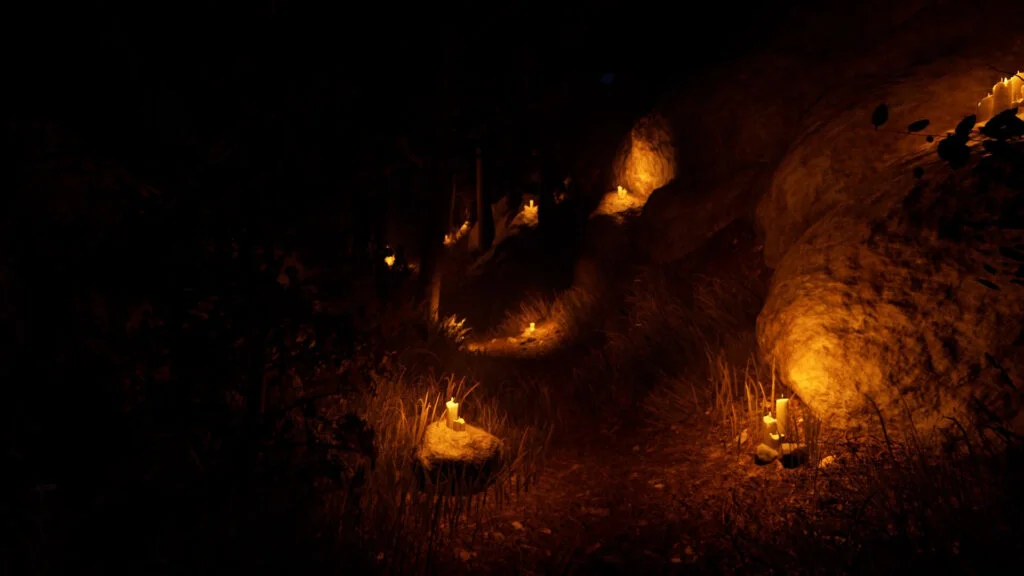
In "Myth of Valderit," players assume the role of Nil, who finds himself ensnared in a cursed village that materializes only under the full moon. After an outing with friends turns unsettling, Nil discovers he’s become separated from them amid this eerie landscape. This hook not only sets the tone but also evokes a classic trope in horror storytelling — the lost companion. Yet, it spins this age-old theme into a modern gaming narrative, rife with psychological tension and immersive mechanics that ensure players are actively engaged.
Exploring a Unique Horror Narrative
The premise of “Myth of Valderit” taps into the universal fear of isolation, but it does more than simply rely on that. In a market overflowing with horror games that often lean on jump scares and superficial frights, this title seeks to connect with players on a deeper level. The game’s narrative unfolds in layers, challenging players to confront the darkness not just outside them but within their psyche. As Nil wanders through the village, every corner turned holds the potential for both discovery and dread.
Adaptive Gameplay Mechanics
This game embodies the essence of psychological horror, employing adaptive gameplay mechanics to craft a deeply personal experience. The Writer, an omnipotent force, observes player interactions and employs an adaptive horror system that learns and modifies the game environment based on individual player behavior. This dynamic approach alters elements like level design, ambiance, and even music, honing in on the player's hidden fears, which adds a profound layer of terror.
Such mechanics aren’t just gimmicks; they heighten immersion. The game behaves differently based on how players interact with it—what might frighten one player might not even register as ominous to another. This personalization gives "Myth of Valderit" a psychological twist: it’s not only about surviving the game, but facing what terrifies you specifically. It requires players to adapt their strategy, thus fostering a unique experience for each session.
A Haunting Environment
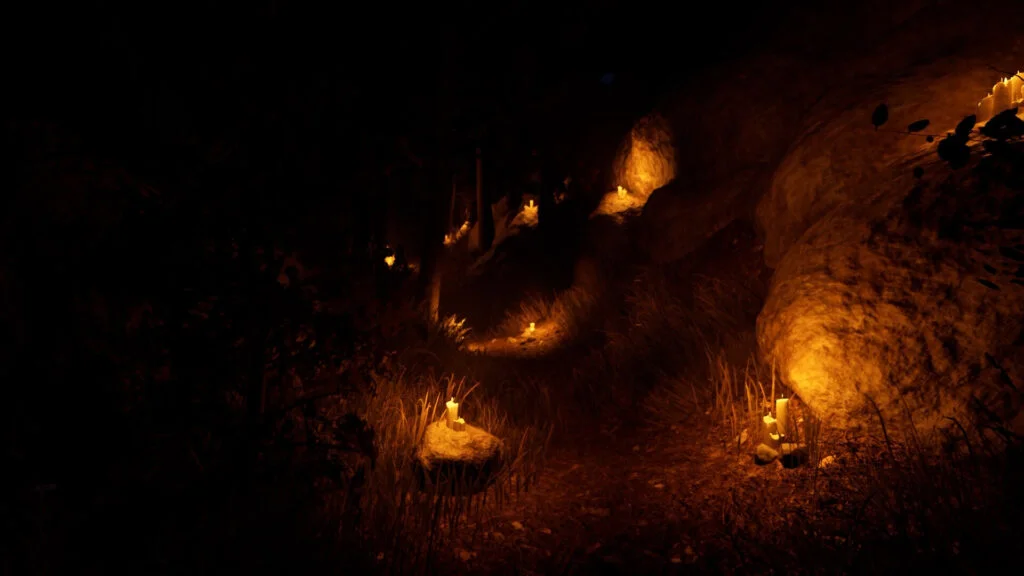
Set within the haunted village of Valderit, inspired by the desolate Catalan village of La Mussara, players must navigate while searching for their lost friends. This choice of setting plays a fundamental role in establishing the game’s atmosphere. La Mussara, with its history of abandonment and eeriness, serves as a poignant backdrop for a narrative steeped in loss and horror. The choice to base the game on a real place adds a layer of authenticity that can resonate with players. Exploration is key, with a blend of item discovery and puzzle-solving required for survival amid the village's challenges. This engagement compels players not only to explore but to question every element of the environment around them.
A Personal Experience at Pocket Gamer Connects
My time with "Myth of Valderit" at Pocket Gamer Connects Barcelona was immersive and unnerving. The oppressive atmosphere and the persistent sense of dread made each exploration feel significant, and the unsettling idea that the game adapts to amplify personal fears was particularly alarming. Every interaction is charged with potential consequences, rewarding players for bravery while punishing them for hesitation. That said, it also invites a level of emotional investment that many horror games fail to achieve.
There’s a unique thrill in knowing that while you may be navigating a fictional landscape, the game is reacting to your own responses and fears. It invites players to interrogate not just the environment, but also themselves. And this is the part most people overlook. The psychological underpinnings could set a new trend in horror gaming, forcing developers to rethink how they craft fear.
Looking Ahead: Implications and Future Outlook
As of now, players can wishlist "Myth of Valderit" on Steam for its upcoming release later in the year, or join the playtest to experience the horror sooner. The early buzz surrounding the game suggests it's gaining traction among horror enthusiasts, and that could lead to significant interest upon its official release.
This diverges from traditional horror titles by inviting players to not only confront external threats but to grapple with their own psyche. If you're working in this space, the implications are clear: players are hungry for more than generic scares. They want emotional depth. "Myth of Valderit" could very well set a new standard for psychological horror games—a model that others will likely strive to replicate. As development continues, this game is poised to redefine how players interact with virtual terror, blending personal experience and storytelling in a significant way.
The post "Myth of Valderit" adapts to your fears appeared first on Indie Games Plus.

Discussion
Sign in to join the discussion.