HeartWeaver invites players on a puzzle-filled journey through Ace's mind, where emotions shape gameplay and healing requires introspection.
The Concept Behind HeartWeaver
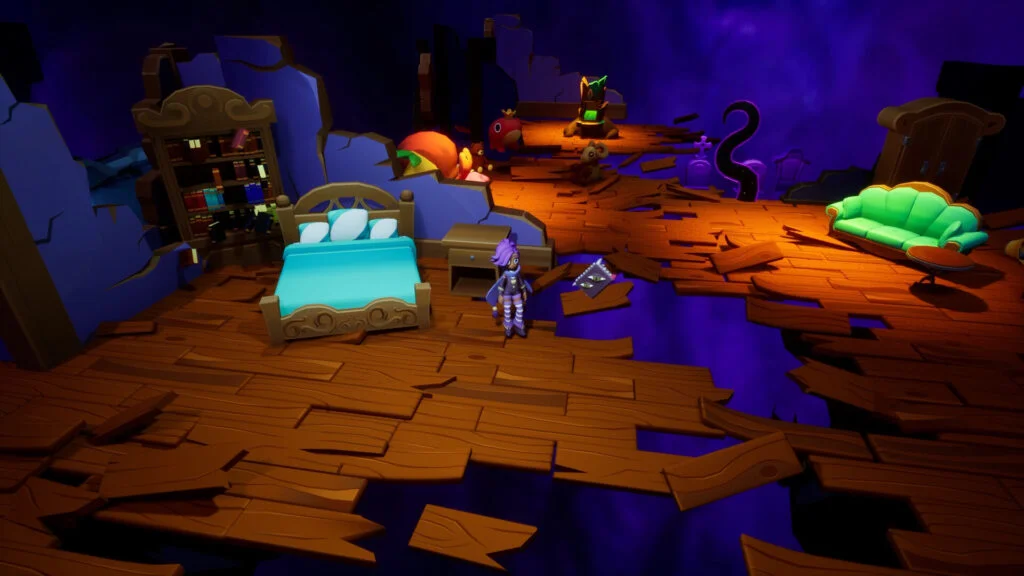
In HeartWeaver, players step into the mind of Ace, a character grappling with unresolved emotions and memories. This 3D puzzle adventure promises an experience unlike typical gaming narratives, where the focus shifts from conventional storytelling to an exploration of psychological themes. By engaging with Ace's inner turmoil, players encounter scenarios that are as reflective as they are challenging. The blend of gameplay mechanics with emotional depth indicates a more thoughtful approach to narrative design in video games.
The Emotional Landscape
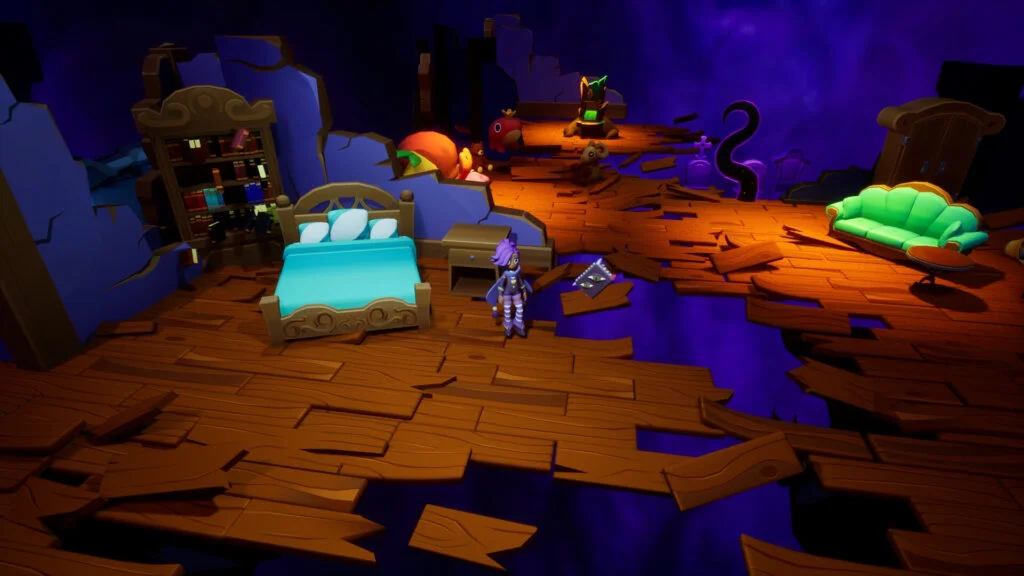
Ace's mental landscape is a mix of fragmented memories overtaken by metaphorical vines, creating a visually stunning yet disjointed experience. This representation isn't just for artistic flair; it mirrors how trauma and unresolved emotions can distort one’s perception of reality. Some areas feel familiar but distorted, while others present bizarre representations of past experiences. It's a portrayal that many can resonate with—after all, our own memories often come to us not as clear images but as fractured snapshots.
Accompanying Ace is Mark, a monstrous embodiment of judgment who's ever-critical. His character poses an interesting dynamic; while his harsh guidance may irritate players, adhering to his advice is essential for progressing through Ace's mental labyrinth. Here’s the thing: Mark isn't merely an antagonist; he symbolizes the self-critical voice that many experience when dealing with emotional struggles. This layer adds complexity and invites players to reflect on their own internal dialogues.
Puzzle Mechanics: Emotions in Action
HeartWeaver's puzzles introduce a thoughtful twist by integrating Ace's emotions into gameplay mechanics. Emotions like Sadness, Fear, and Anger each carry unique abilities that can alter the environment and assist in overcoming obstacles. For instance, Sadness might slow down time, while Anger can push unwanted elements away, creating a richer interaction than the usual collect-and-solve format of many puzzles in gaming today.
This engaging design fosters a deeper connection between player and character, turning emotions into gameplay tools. Players won’t just solve puzzles; they’ll grapple with the essence of each emotion while doing so. What this means for you, the player, is an invitation to explore your own feelings in a safe environment. This immersive technique could transform how players perceive both gaming and their emotional responses, showing that struggles with mental health can be reframed as an adventure.
Unraveling the Narrative
As players progress, they’ll uncover repressed memories and slowly piece together Ace’s story. The game’s narrative is crafted to reveal hidden truths about Ace’s past, enhancing the emotional depth of the experience as it unfolds. Unlike traditional linear story arcs, HeartWeaver presents a narrative that gradually reveals itself, allowing players to engage in self-discovery alongside Ace. The interconnectedness of the surreal worlds serves as a metaphor for how various aspects of our lives are intertwined and how they can influence one another.
Despite the peculiarities of Ace's mind, the game's structure encourages introspection. This blending of personal storytelling with interactive elements resonates with a broader audience, prompting players to confront their own memories, feelings, and perhaps unresolved trauma. It serves a significant narrative purpose—by allowing players to explore complex emotions through gameplay, HeartWeaver may help foster a healthier dialogue about mental health issues, a topic still often stigmatized in broader society.
Accessibility and Player Experience
Players can experience a demo of HeartWeaver on Steam and add it to their wishlist for its upcoming release, diving deep into Ace’s complex emotional journey. Offering a demo is a smart move, enabling potential players to gauge whether the emotional depth and gameplay mechanics resonate with them. This practice is increasingly common among indie developers, allowing for valuable feedback before full release.
But consider this; if you’re working in this space, understanding that accessibility features are paramount is half the battle. While HeartWeaver’s emotional content might attract a dedicated audience, ensuring the game can be enjoyed by players of varying abilities will shape its success. People often overlook this aspect, but accessibility can be a game-changing factor in reaching a wider demographic.
Implications and Future Outlook
HeartWeaver stands at an intriguing intersection between gaming and mental health narratives. If successful, it could pave the way for more titles that explore similar themes. The gaming industry has started promisingly leaning into dialogues that surround mental health, and this game could be a significant addition to that trend.
Moreover, the mechanics that link puzzles to emotions could inspire other developers to create experiences that challenge players to think beyond traditional gaming frameworks. As players become more demanding of narratives that reflect real-world issues, titles like HeartWeaver may enhance the medium's credibility as a form of artistic expression.
Ultimately, players will embrace a more profound gaming experience that could lead to conversations about emotional well-being. That's where the real impact lies. Whether HeartWeaver can strike that balance will determine not just its success as a game but as a meaningful contribution to an often overlooked aspect of the player experience.
The post Exploring the Intricate Mind of Ace in HeartWeaver appeared first on Indie Games Plus.



Discussion
Sign in to join the discussion.