AI Avatars Challenge Music Authenticity: Spotify's Strategic Response
Written Sep 07, 2026Audience 471Author Connor Bennett
Spotify is tackling the rise of AI-generated avatars in music profiles to maintain authenticity and clarity for listeners amid growing concerns.
AI Waifus Disrupting Music Profiles: Spotify's Response
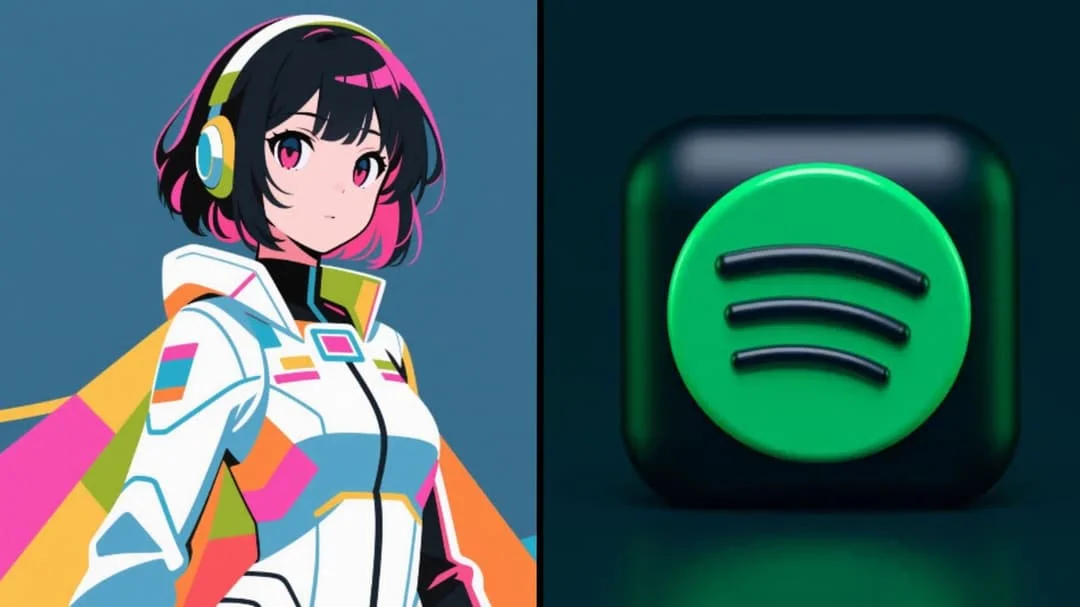
It’s a puzzling moment in the music world as AI-generated avatars—specifically anime waifus—start to dominate the digital identities of celebrated jazz musicians. Notably, artists like William “Sonny” Criss, Jean Carne, Red Nichols, and Jimmie Noone have had their profiles partially taken over by this bizarre phenomenon. With their legacy tied to real artistry, the introduction of AI personas raises essential questions about authenticity in music and the integrity of platforms like Spotify.
The implications of this development are vast. Who are we actually celebrating when we listen to music? Many fans connect with artists on a personal level, often feeling a bond fostered through their music and public personas. When AI-generated avatars replace those very personas, it creates a disconcerting disconnect. This is more significant than it looks, as it strikes at the core of what music represents: human experience, emotion, and creativity.
Spotify's Response to AI Impersonation
In light of this unsettling trend, Spotify has publicly acknowledged the issue, stating that it is actively addressing the problem of AI impersonation affecting artists' profiles. This acknowledgment isn't just a corporate response; it’s a necessary move as concerns mount that such transformations may mislead fans, making it difficult to discern original work from AI-generated content. While Spotify is stepping up, YouTube appears to be lagging behind in tackling the fallout of this waifu takeover.
Here's the thing: as AI technology rapidly advances, platforms like Spotify are under increasing pressure not only to innovate but also to protect the integrity of artistic identities. The question looms: Can they effectively manage this dual challenge? Artist authenticity and digital identity are now intertwined in complex ways.
The Challenges of AI-Generated Content
Aside from the aesthetic changes—like musicians’ profiles being adorned with anime art—there’s the unsettling reality that artists may find new, AI-created tracks credited to them without their consent. For example, while Criss now has new songs improperly linked to him, Carne, though somewhat shielded from the waifu imagery, has also had AI-generated tracks associated with her name. This points to a worrisome trend that appears to spiral beyond simple impersonation. If listeners are engaging with music tied to an artist’s name, even if the artist didn’t create that work, what does that mean for the concept of artistry itself?
Many musicians depend on their reputations for income and collaboration opportunities. If these AI-generated tracks mislead listeners, the potential harm to an artist’s brand is significant. This not only dilutes the value of authentic work but also presents legal dilemmas around copyright and intellectual property. It showcases a troubling intersection of technology, ethics, and creative rights.
Spotify's Proactive Measures
In response to the chaos, Spotify maintains that it is "investing heavily in detection and prevention." Such statements may ease concerns, but they raise an important question: how effective can these measures be in the ever-changing AI landscape? While the company has introduced an ‘AI persona’ badge—marking artists with an AI-generated identity—to help clarify what listeners are engaging with, it remains to be seen whether this solution will be sufficient.
Additionally, Spotify provides a ‘verified’ badge for human artists, which helps, but the presence of AI characters complicates the environment for music lovers. It creates an added level of complexity in identifying genuine creativity amid the sea of digital clones. Artists often thrive on their individual styles and self-expression; having these elements diluted by AI-driven imagery could pose long-term risks to their distinctiveness.
(here's the part most people overlook) Many fans may not realize the depth of the impact AI is having on the music experience. This isn't merely about avatars and images; it's about what happens to our relationship with music when the lines between human and machine blur.
The Outlook for Artists and Platforms
As of now, while Spotify seems to have a handle on the situation, YouTube Music remains unaffected by these fixes. It's evident that as AI technology advances, the music industry must adapt to protect its artists and maintain the authenticity that fans value. Platforms must double down on their commitment to transparency, ensuring that both artists' identities and listener experiences aren't undermined by this emerging trend.
If you're working in this space, consider this: do we risk creating a music environment where artistry is overshadowed by AI impersonation? As technology continues to encroach upon creative fields, stakeholders must collaborate and find robust solutions to retain trust and authenticity in artistic expression. The future is uncertain, but the push for genuine human creativity has never been more essential in a world increasingly influenced by artificial constructs.
Discussion
Sign in to join the discussion.