Studio Ghibli's Insight: Art's True Value Beyond AI Trends
Written Sep 07, 2026Audience 386Author James Busby
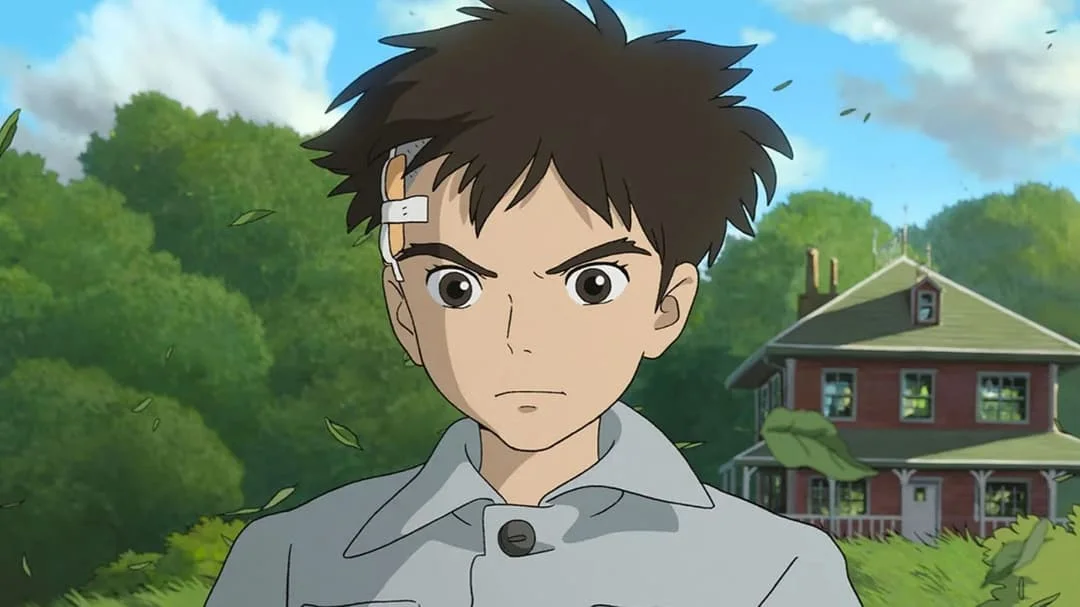
Toshio Suzuki highlights Studio Ghibli's belief in the irreplaceable nature of handcrafted animation, asserting that AI art lacks genuine emotional depth.
Studio Ghibli's Skeptical Stance on AI Art Trends
In a recent discussion, Toshio Suzuki, the producer of Studio Ghibli, made a striking assertion regarding the AI art surge that captivated fans in 2025. Amid the wave of interviews seeking his views, he chose to remain silent, a tactical decision he reflects on with conviction. He anticipated that the fervor around AI-generated art would diminish, a sentiment he believes has been validated over time. “Everyone would quickly get bored of it,” Suzuki noted, asserting that engagement with the hype felt unnecessary.
This isn’t just a dismissive stance from Suzuki; it’s rooted in a profound philosophy about what art truly represents. Art, especially animation, encompasses the personal and the intimate. Traditional hand-drawn techniques encapsulate human experience and emotion in ways AI simply cannot replicate. “AI lacks real meaning when compared to our crafted works,” Suzuki argued. His perspective hints at a broader debate occurring within the artistic community: Can AI ever convey the nuances and subtleties inherent in human-made art? While algorithms can mimic styles, they lack the emotional depth that comes from human experience and intention.
Interestingly, this skepticism reflects a concern that transcends a single studio or artistic intent. The implications of such perspectives merit a deeper exploration of the relationship between creativity and technology. If artists who have been at the forefront of storytelling turn their backs on AI, what does that say about the technology's place in creating meaningful art? For those navigating these questions, Suzuki's hesitance signals that not everyone embraces the change that AI promises. It’s a significant perspective, especially as industries increasingly integrate artificial intelligence into their creative processes.
Miyazaki’s Concern Over AI in Animation
Notably, Hayao Miyazaki, the co-founder of Studio Ghibli, has been vocal about his distaste for AI applications in animation. His critique is unyielding; in a recorded discourse from 2016, he derided an experimental AI demo as “an insult to life itself.” Such strong language reveals a passionate belief that the delicate nuances and emotional depth achieved through handcrafted animation remain unmatchable by any machine.
Recent reports indicate that Miyazaki has distanced himself from much outside information while developing his works, isolating himself from distractions that diverge from his vision. According to Suzuki, “Miya-san doesn’t even know about generative AI.” This intentional ignorance underscores his commitment to the authenticity of traditional methods, showcasing a dedicated focus on the artistry that has characterized Studio Ghibli for decades.
What this means for you is clear: When revered figures in the field openly critique the role of technology in art, it challenges the very foundations of how creativity can be defined in the age of AI. The implications are wide-ranging, especially for those looking to incorporate AI into their own workflows. The unyielding stance taken by such influential creators raises questions about the authenticity of future artistic endeavors. Will art created with AI ever hold the same value as a piece crafted through the hands of a seasoned animator?
The dialogue sparked by Suzuki and Miyazaki's reluctance to embrace AI is impactful. While many might argue that AI can enhance creativity by serving as a tool, their strong conviction suggests that true artistry isn’t just about the end product but the process. This debate isn’t only confined to animation; it reverberates through various sectors of visual and performance arts.
The Cultural Significance of Suzuki and Miyazaki's Dissent
The implications here are substantial. Suzuki argues that as AI technology evolves, Studio Ghibli stands as a testament to human creativity in art. By positioning themselves firmly against AI, they invite discussions on the very essence of creativity and what it means to create. Suzuki believes that Miyazaki's unique artistic vision "cannot be replicated by AI or CGI," which places the studio not just as a cinematic entity, but as a cultural institution with a lasting legacy.
That said, this skepticism toward AI may not be as universally held as one might think. Many contemporary artists are increasingly experimenting with AI as a tool for inspiration or even collaboration. This divergence leads to a critical conversation: are we at risk of sidelining immense creative potential for the sake of tradition? If you're working in this space, it’s essential to navigate these conflicting ideologies thoughtfully.
There’s also the larger context to consider. As AI continues to penetrate the fabric of various industries, artists like Suzuki and Miyazaki serve as reminders of the irreplaceable value of human touch in creativity. The emotional intelligence and personal nuance that accompanies handcrafted art offer something that machines might struggle to replicate.
Future Outlook on AI in the Art World
Looking ahead, the tension surrounding AI in art isn’t likely to dissipate anytime soon. The ongoing dialogue between traditional artistry and technological innovation presents both challenges and opportunities. On one hand, the reluctance of established figures such as Suzuki and Miyazaki highlights an important critique of the rush towards automation. On the other hand, myriad creators are integrating AI into their artistic processes, pushing the boundaries of what we define as art.
There's something significant in this divide. As more creators experiment with blending AI into their work, it will be telling to see how audiences respond. Will they embrace this new wave of collaboration, or will they find themselves longing for the familiar touch of traditional methods?
In essence, the conversation sparked by these prominent figures isn’t just about art; it's about the values we hold in creativity, the means we choose to express ourselves, and the emotional connections we foster through our creative endeavors. As the debates continue, one thing is clear: the world of art is as vibrant and complex as the minds that create it.
Discussion
Sign in to join the discussion.