Brent Williams turns to ostrich farming after developing a dangerous allergy to red meat, finding a viable alternative that aligns with his dietary needs.
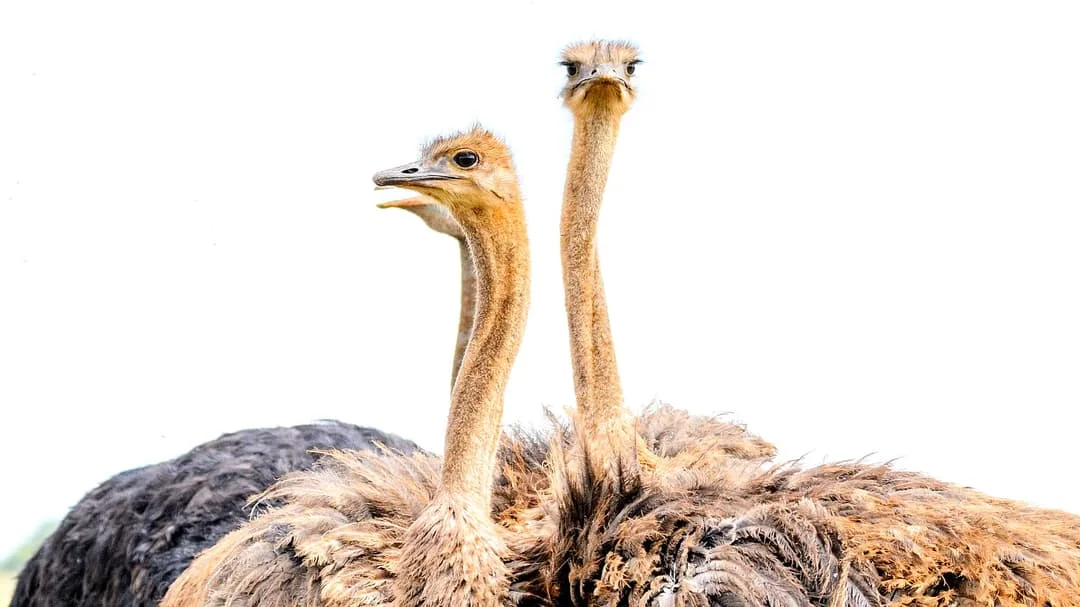
In Kentucky, Brent Williams discovered an unexpected workaround to a red meat allergy following a tick bite—he now raises ostriches. His journey into this unusual farming venture stems from his diagnosis of alpha-gal syndrome, an allergy linked to meat derived from mammals.
After being bitten by Lone Star ticks and experiencing severe reactions to red meat, Williams realized ostrich meat could serve as a suitable substitute. Since ostriches are avian, they do not contain the alpha-gal molecule that triggers his allergy, allowing him to reconnect with a flavor similar to beef and pork.
Turning to Ostrich Farming
His interest in ostrich farming was piqued four years ago when a friend suggested the idea. With a background in nutrition, Williams felt compelled to explore this opportunity, especially after confirming his alpha-gal syndrome diagnosis through an allergist. What started as a personal quest for alternative food sources has turned into a thriving agricultural venture.
Alpha-gal syndrome, often misunderstood, is caused by a bite from certain tick species, particularly the Lone Star tick. This condition elicits a reaction to meat from mammals, creating a need for those affected to seek alternative protein sources. Although the allergy is affecting about 450,000 individuals in the U.S., it’s increasingly becoming prominent in the public discourse. And while consumers can still eat poultry and fish, the emotional and culinary void left by the inability to consume red meat cannot be overlooked.
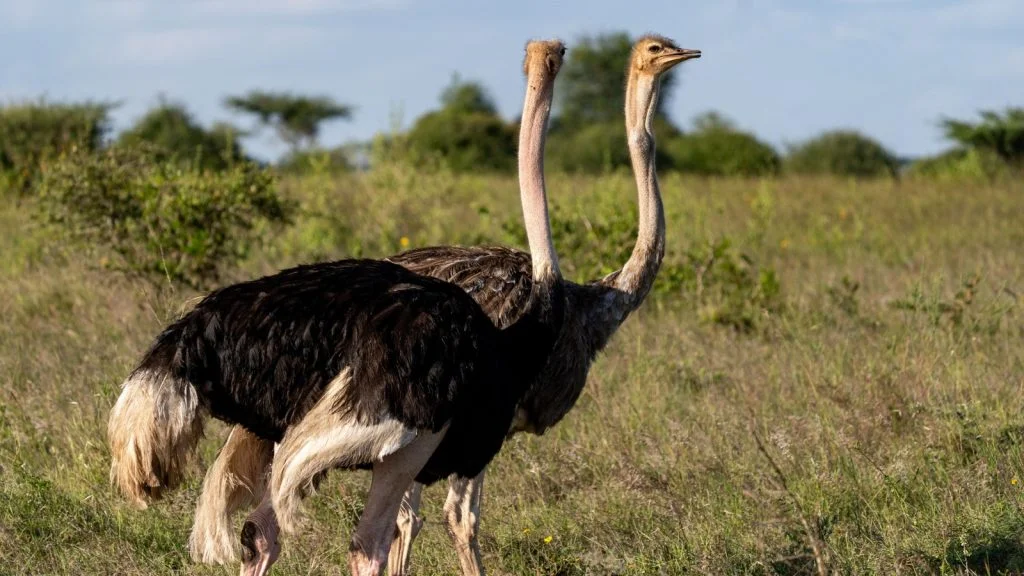 Ostrich meat closely resembles the taste of red meat.
As interest in his farm grows, Alpha Roost Farms plans to expand its ostrich population from 400 to 700 next year. This trend reflects a wider shift, with various U.S. ostrich farmers reporting increased inquiries from the alpha-gal community. The movement towards alternative meats is gaining traction—not just for people with allergies, but also for those looking for healthier protein options or sustainable sources of food.
The Broader Shift Towards Alternative Proteins
This evolution isn’t just about a single farmer in Kentucky. It's indicative of a larger trend where consumers are moving away from traditional red meat products. The rise in vegetarianism and veganism, along with the increased awareness surrounding health and environmental issues related to meat production, signal a pivotal shift in consumer behavior. Many millennials and Gen Zs are more conscious about their dietary choices, seeking alternatives that align with their values.
Ostrich meat, praised for its lower fat content in comparison to traditional red meats, is gaining attention among health enthusiasts. This is more significant than it looks; for those looking to substitute red meat, it's crucial to find something that doesn’t just meet dietary requirements but also satiates flavor profiles. Ostrich could fill that gap, particularly if marketed effectively to both allergy sufferers and health-conscious consumers.
Aside from dietary adjustments, ostriches are becoming popular for other reasons too. Illustrated by a viral moment when a giraffe engaged with one at a zoo in Memphis, these birds are capturing attention and sparking curiosity in the public. That’s the part most people overlook: the cultural significance of these animals is growing, which could benefit farmers who market them not only as a food product but as part of a unique farming experience.
Implications and Future Outlook
The growing interest in alternative meats like ostrich presents significant implications for both agriculture and consumer choice. If trends continue, you might see more farmers adopting nontraditional livestock as a response to changing dietary preferences. This transition could potentially alter agricultural practices in ways that benefit farming communities economically. If you’re working in this space, staying ahead of the trends will be essential; consumers are becoming more discerning, and their choices may reshape the future of farming.
Moreover, as companies start to realize the market potential for alternative proteins, we could see increased investment in sustainable farming techniques and better support for farmers like Williams who venture into unconventional territory. What you might have thought of as a niche market could soon evolve into a critical component of the food industry. The lesson here is that innovation often springs from necessity, and Williams’ story is emblematic of this shifting paradigm.



Discussion
Sign in to join the discussion.