College athletes face financial challenges navigating NIL earnings, including taxes and aid impacts, highlighting the need for better financial literacy.
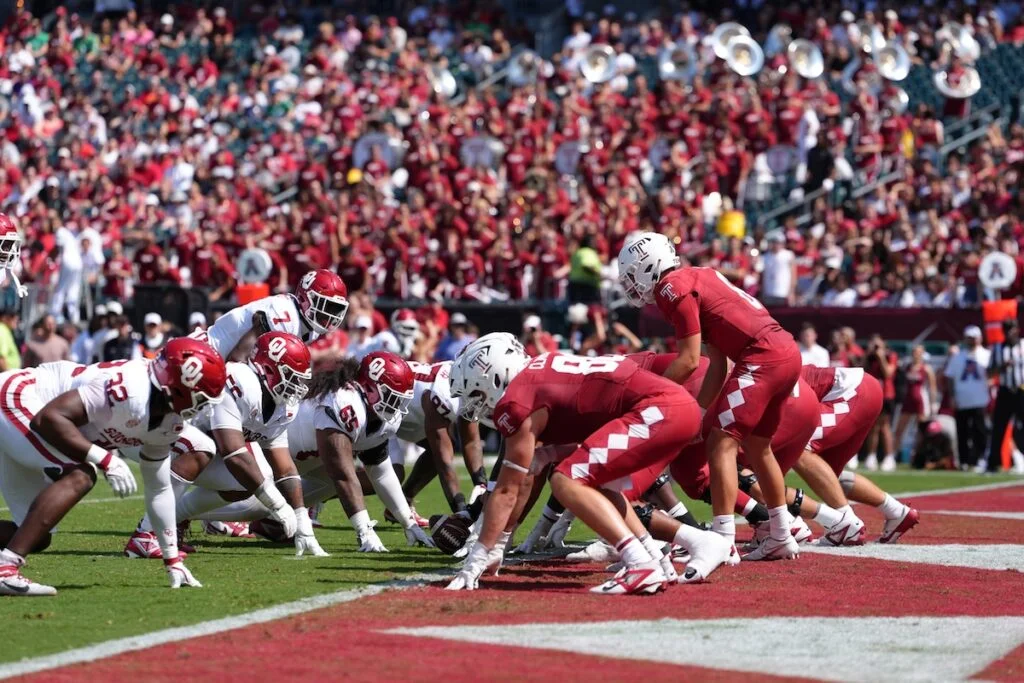
## The New Financial Reality for College Athletes
If you're involved in the world of college sports, you'll recognize that the landscape of athlete compensation has transformed dramatically. The introduction of Name, Image, and Likeness (NIL) deals has unleashed a massive financial influx, allowing colleges to potentially distribute $21.3 million annually per institution. This bonanza, however, comes with a caveat: it lacks comprehensive guidelines on how athletes should manage these earnings.
The crux of the situation is that many student-athletes are stepping into self-employment without fully understanding the implications. Payments under NIL agreements arrive on 1099 forms, leading to immediate liabilities. Specifically, athletes are hit with a 15.3% self-employment tax before they're even liable for income tax. Without proper guidance, many might not realize the financial burden lurking beneath this sudden wealth.
Compounding these financial challenges, the impact on federal student aid through FAFSA is not immediate. Earnings from NIL deals will first appear on FAFSA applications two years after the income is generated—meaning 2026 earnings will affect aid eligibility only in 2028-29. This delay could significantly affect athletes' financial planning as they could face an unexpected hit to their aid packages.
The financial landscape is laden with risks for these athletes. The statistics tell a revealing story: while around 74% of FBS football players believe they will enter the professional realm, the actual probability of being drafted is a meager 1.4% for football and just 1% for men's basketball. This disparity creates a financial illusion. Many college athletes view NIL earnings as their path to long-term wealth without recognizing that, for most, these payments resemble sporadic side hustle income rather than a reliable salary.
Moreover, the various streams through which NIL compensation can flow deserve attention. While some athletes may receive direct payments from their universities due to recent legal changes, many will find that the majority of their earnings stem from third-party deals. These can include collective efforts from booster groups, brand sponsorships, social media promotions, and contractual agreements for appearances. However, it's crucial to note that the bigger picture reveals a harsh reality: the majority of athletes earn less than $10,000 annually from these agreements, with only a tiny fraction clearing the six-figure mark.
Navigating these new waters requires a strategic approach to financial planning. It's essential to view NIL income through a lens that considers potential expenses and tax obligations. The allure of quick cash can obscure the complex web of financial responsibilities that athletes face. What this means for you—if you’re working in this space—is that educators and advisors need to prioritize financial literacy, providing student-athletes with the tools they require to capitalize on this unprecedented opportunity without falling victim to common pitfalls.
Discussion
Sign in to join the discussion.