Orbitals revives couch co-op gameplay with a nostalgic vibe and engaging twin explorers, though its respawning mechanics may overshadow the narrative.
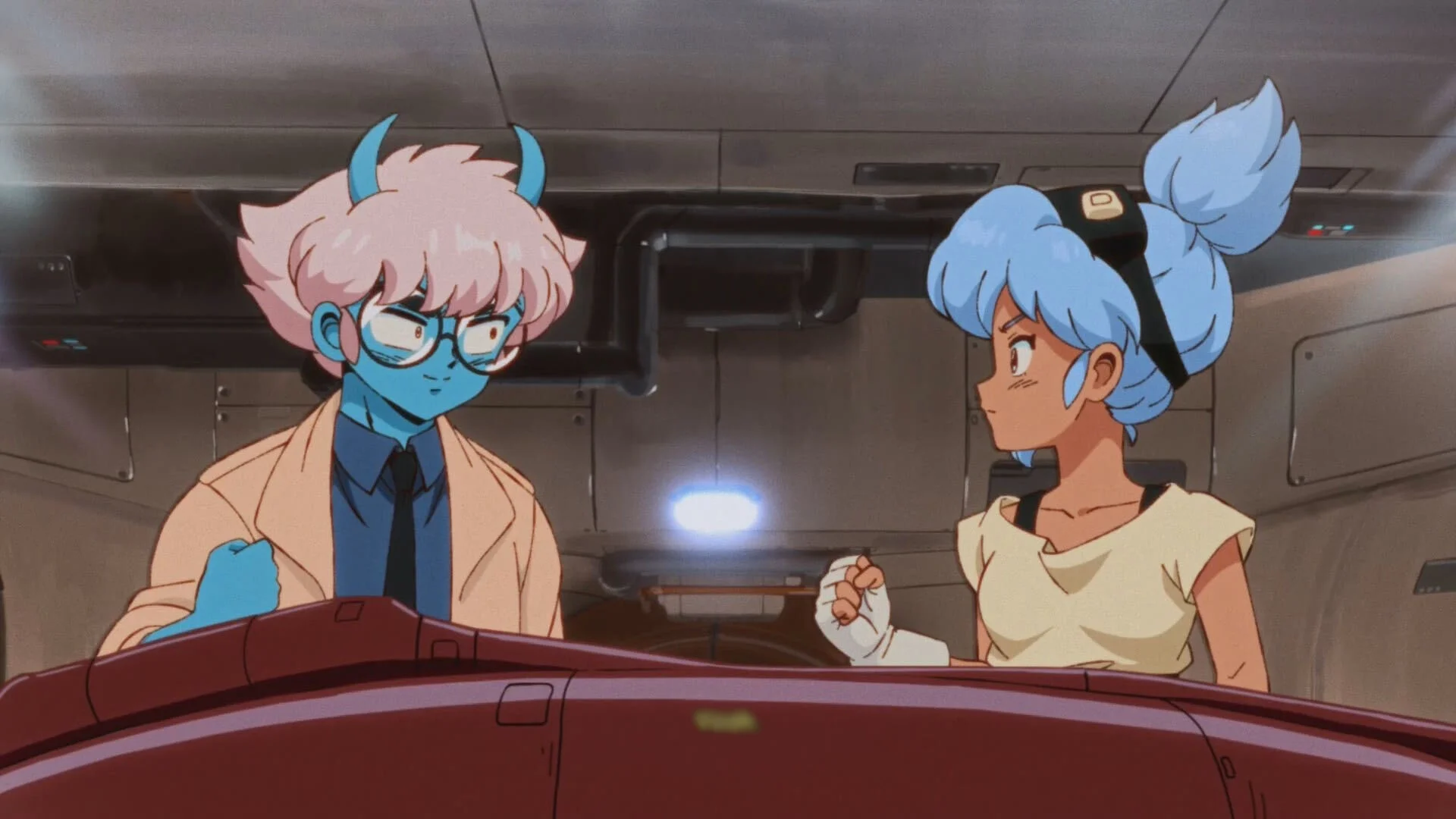
There's a fresh wave of couch co-op experiences emerging, and Nintendo's latest title, Orbitals, stands at the forefront. Designed exclusively for the Nintendo Switch 2, this game, developed by Shapefarm and Kepler Interactive, taps into 90s nostalgia while offering an atmospheric interstellar adventure. As gaming habits evolve, the return of local multiplayer games signals a shift in player preferences, reflecting a communal desire for social interaction in a space often dominated by online play.
Gameplay and Aesthetic
Orbitals emphasizes split-screen mechanics, reminiscent of beloved co-op titles like It Takes Two. Players assume the roles of two explorers, Maki and Omura, embarking on a mission to rescue their colony amidst the backdrop of stylish visuals that invoke the charm of 80s and 90s anime. This aesthetic choice isn’t just window dressing; it serves as a bridge for those who grew up with those iconic styles and want to feel that nostalgic tug while engaging in contemporary gameplay.
In terms of mechanics, the split-screen design provides an avenue for strategic collaboration. Each player has unique abilities that must be synchronized to solve puzzles and overcome obstacles. This design echoes earlier co-op experiences but introduces modern dynamics that challenge players to communicate effectively. If you’re working in this space, that requirement for coordination sets a standard that other titles may struggle against. The game thrives on its ability to foster teamwork, which is often where many contemporary games falter in the rush toward individual achievement and progression.
Story Dynamics
The narrative unfolds around the duo's shared past, marred by a calamity that prompts their use of a machine capable of reprinting their bodies, an integral feature that explains their respawning ability. This idea offers an intriguing twist on conventional stories of game protagonists. That said, it also skirts the line of being a gimmick. The concept of constantly respawning should serve as an emotional anchor for Maki and Omura's journey, but at times, it feels more like a narrative crutch. Players might find that the machine’s presence overshadows the emotional weight of their struggle, leaving them yearning for deeper character development.
While Orbitals excels in gameplay mechanics and aesthetic appeal, players might walk away feeling the storytelling lacks dimension. The emotional stakes simply don't rise to meet the level of engagement that the gameplay demands. This is the part most people overlook: a great premise must be matched with substance. Without meaningful context anchoring their journey, Maki and Omura can feel less like relatable heroes and more like avatars pushing through a series of stylish challenges.
Context within the Industry
As couch co-op games re-emerge, it's useful to place Orbitals in the larger context of gaming. For years, developers have leaned heavily on online multiplayer experiences, which often prioritize competitive play over camaraderie. The resurgence of local co-op titles indicates a growing appetite for shared experiences within the same physical space, providing players with opportunities for laughter and joy that chat rooms and game lobbies can’t replicate.
Titles like Overcooked and Cuphead have illustrated the market's potential for cooperative gameplay. When comparing Orbitals to these games, the question arises—does it stand strong? The premise certainly does. Players latch on to the thrill of collaborating and competing with friends. But, unlike those earlier titles, if Orbitals can't adapt its narrative depth to match its game mechanics, it risks fading into the background. Name identification in such a crowded market means delivering on promises—both mechanical and narrative.
Implications and Future Outlook
What does this all mean for the future? With the continued rise of indie developers and the shifting desires of players, Orbitals could be pivotal in reigniting interest in well-crafted couch co-op games. Its unique aesthetic and gameplay mechanics can encourage other studios to innovate in storytelling while harnessing nostalgia, which seems to be a consistent allure for many gamers.
Yet, for Orbitals to truly succeed, it must do more than entertain; it must connect. If developers can refine the balance between gameplay and narrative, they will not only create an engaging experience but also set new benchmarks for upcoming titles in this revitalized genre. Would players forgive minor gameplay flaws for a well-rounded story? Or will they demand an experience that's rich in both gameplay mechanics and emotional depth? Only time will tell.
As developers venture into this niche, they need to be cautious. Over-reliance on aesthetic might lead to a hollow experience. Instead, Orbitals should serve as a reminder that even in a market driven by technology and trends, the heart of gaming remains rooted in storytelling and connection. The success lies in balancing between offering players a visual treat and a narrative worth engaging with.

Discussion
Sign in to join the discussion.