Nintendo’s Switch 2 remake adds revamped controls, voice acting and new extras. It launches November 5 for $59.99.
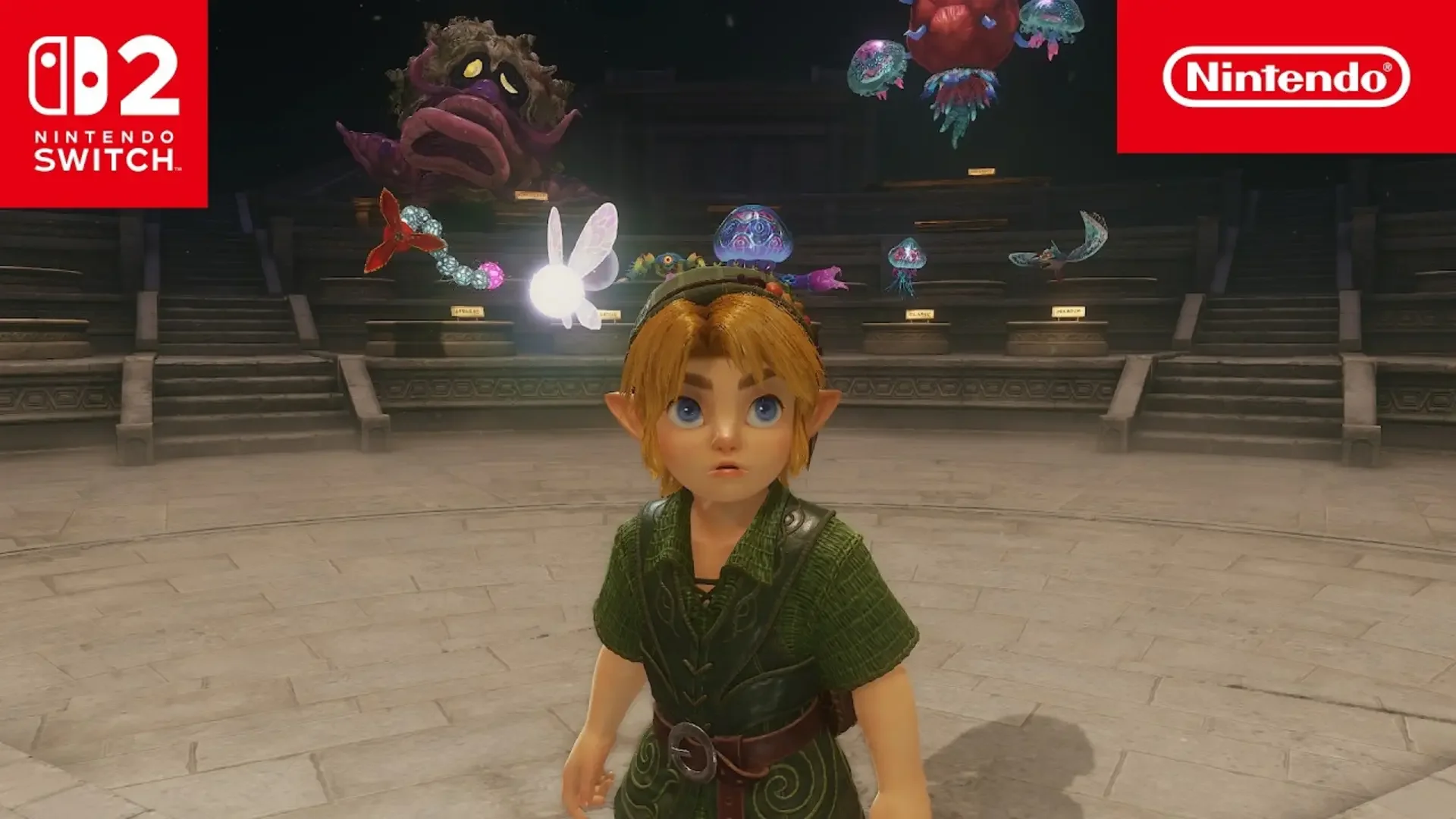
The Switch 2 version of The Legend of Zelda: Ocarina of Time is more than a visual update: Nintendo is changing how players move, aim and interact with the classic adventure. A new overview video collects eight previously announced changes ahead of the game’s November 5 release. The recap suggests Nintendo sees the remake as a broader redesign of the play experience, even as the original adventure remains its foundation.
Nintendo’s remake is exclusive to Switch 2 and costs $59.99 in the US, according to the official Nintendo store page. It also anchors the series’ 40th anniversary, which includes a special-edition Switch 2 console. That gives the release two jobs: revisit a landmark game and present the anniversary as a hardware and software event.
New movement, presentation and story details
The video, highlighted by Nintendo Life, is a recap rather than a fresh reveal. Nintendo describes it as showing “just some of the ways” Link’s quest has been rebuilt. That wording leaves room for details beyond the eight changes, but the video itself is best read as a guide to features already announced.
The changes touch several parts of the experience, from basic movement to how players revisit encounters:
- Link can dash and jump, alongside updated controls and camera movement.
- Ranged weapons support gyro aiming as well as button-based aiming.
- The game has been rebuilt visually for the newer hardware.
- Story scenes feature voice acting, with additional dialogue for characters.
- Players can perform learned ocarina songs using the console microphone.
- A progress-tracking tapestry and a dedicated monster-rematch room add new activities.
These aren’t all changes of the same scale. New movement and camera behavior could alter the feel of ordinary exploration, while the tapestry and rematch room give players optional ways to track progress and return to fights. Voice work and added dialogue, meanwhile, affect how familiar scenes are presented. The package reaches beyond sharper graphics, though how much these additions change the rhythm of the original will depend on how they’re used in play.
Nintendo is positioning the control changes as a way into the series for newcomers. Its store listing says the enhanced controls and modern camera movements make the game “a great entry point into this legendary series.” That’s a clear pitch, but an easier camera and more familiar movement won’t by themselves explain the conventions of an older adventure. The appeal will depend on whether the new presentation helps first-time players settle in while giving returning players enough reason to revisit Hyrule.
The audio has received attention too. An October 14 overview-trailer post from Nintendo says the new voice work is accompanied by full symphonic orchestral music. That pairing gives scenes and familiar tunes a larger performance frame. It also raises expectations: players will judge the new sound against music and moments many already know well.
Optional aiming and microphone play
Gyro controls aren’t mandatory. Players can aim the Fairy Bow, Hookshot and other ranged weapons with motion controls or buttons, then choose between those methods in the Options menu. That choice matters because motion aiming can feel natural in one setting and awkward in another, particularly when a player’s posture or screen setup changes. Button aiming keeps the familiar alternative available.
The microphone is optional as well. Players can hum a song Link has learned or perform it on an instrument; traditional button controls remain available for anyone who’d rather not sing to their console. The feature makes the ocarina’s role more physical, but it also depends on a play environment where using a microphone feels comfortable. Nintendo’s alternative control method keeps that novelty from becoming a requirement.
Defeated monsters are recorded as statues in a dedicated hall, where players can read about them or fight them again. Nintendo’s October 14 post calls the area the Hall of Fallen Heroes, while the store listing names it the Hall of Fallen Foes. The difference in naming is a small inconsistency across Nintendo’s materials; both descriptions point to a space for reviewing and replaying encounters. A tapestry called the Threads of Time tracks progress through the adventure, and the store page also mentions hidden fairy lore around Hyrule.
These additions suggest Nintendo wants the remake to offer more ways to engage with the adventure between its main story beats. A rematch room can give players a reason to return to enemies, while a progress display can make a long quest easier to follow. The value will depend on how much information these features provide and whether they feel useful during play. For now, Nintendo has described their purpose, but the overview doesn’t establish how deep either activity goes.
Launch details and later amiibo
The store listing estimates a 27 GB download and confirms TV, tabletop and handheld play. Compatible televisions can use HDR and VRR output. Those options make the remake adaptable to different setups, though the listing doesn’t say that every display will support them. Digital buyers who purchase before November 23 at 11:59pm PT receive a 40th-anniversary wallpaper, a time-limited extra tied to the launch window.
The game also supports ZELDA NOTES in the Nintendo Switch App. Its listed features include image-based location hunts and a phone-based ocarina. Using a phone for these activities extends the game’s companion features beyond the console, but it also means players who want them will need to use the app. The core controls remain on the system itself.
Existing The Legend of Zelda amiibo can be tapped to receive rewards. Two new figures, Young Link and Young Zelda, are scheduled for 2027, and each unlocks a retro-style mask in the game. Nintendo lists the Electric Ocarina of Time accessory at $49.99. The later figures and accessory extend the release into a larger set of anniversary products, though their listed functions are distinct from the game’s main changes.
What the remake signals for players
This is more significant than it looks: Nintendo is presenting an older adventure through updated movement, optional motion input, voice acting and companion features, while keeping familiar button controls in place. The approach acknowledges that a faithful return can still need changes to meet current expectations. And yet. The overview video can list features; it can’t show whether they add up to a coherent experience until players have the game in hand.
If you're working in this space, the balance is the point to watch: how much can a remake alter the feel of a classic before the updates start competing with the appeal of the original? The optional controls give players some say, and the new presentation may make the adventure easier to approach. But Nintendo’s own “entry point” framing will ultimately be tested by the game’s play, not its feature list. The difference between a welcome refresh and a collection of add-ons will come down to how these systems fit together.
Console orders and release timing
Hardware availability has proved less straightforward than the game’s release plan. Kotaku reports that Walmart cancelled some pre-orders for the $519 special-edition Switch 2 and gave affected US customers 48 hours to place a new order. That creates a practical wrinkle for buyers drawn to the anniversary package: the game has a stated launch date, while access to the themed console has been less predictable for some customers.
The game itself remains set for November 5, bringing its control and presentation changes to players whether or not they’re buying the anniversary console. For anyone weighing the release, the central question is no longer whether Nintendo has changed the experience; it has outlined changes across movement, aiming, sound and optional activities. The open question is whether those changes make a familiar adventure feel newly inviting.

Discussion
Sign in to join the discussion.