Discover the intricate character development, combat dynamics, and historical worldbuilding in Resonance: A Plague Tale Legacy.
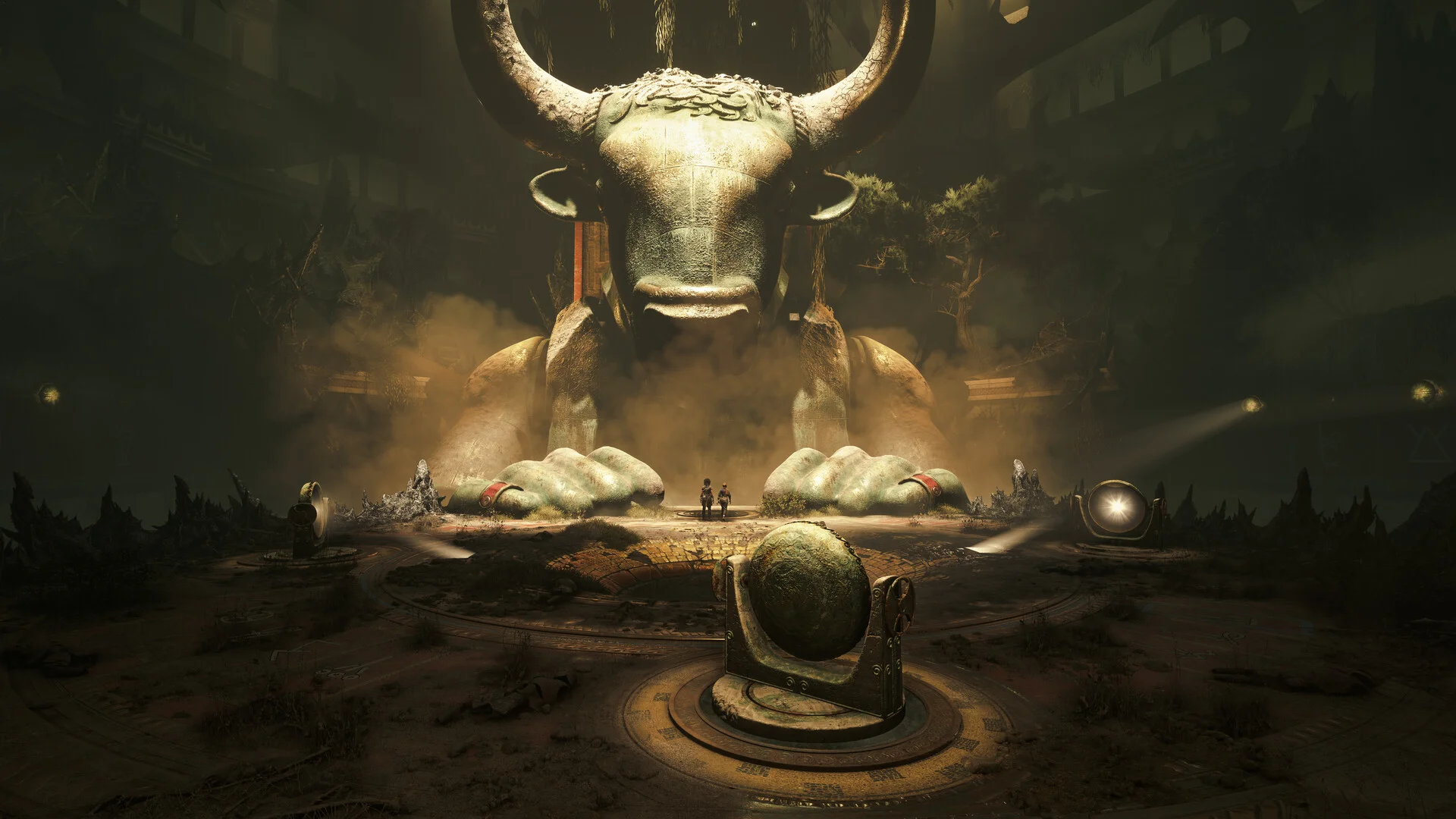
Asobo Studio's latest installment, Resonance: A Plague Tale Legacy, introduces players to a richly woven narrative and gameplay evolution, spearheaded by new protagonist Sophia. In a recent discussion with Lead Game Writer Carol Ann Bañuls and Creative Director David Dedeine, the development insights shed light on character vulnerabilities, combat strategies, and the game's expansive world design.
Character Development: Sophia's Journey
Sophia presents a stark contrast to Amicia, marked by her direct combat abilities and a background steeped in danger. The design principle focused on empowerment without the illusion of invincibility. “We wanted the player to feel that Sophia, while capable, is still constantly at risk,” explained Bañuls. This layering of character traits—confidence mixed with impulsiveness—ensures that players experience a nuanced journey through her growth and vulnerabilities.
When developing Sophia’s character, it was essential not to craft a simple reflection of her future self. “Our aim was to explore psychological threads that shaped who she becomes,” Bañuls noted. Instead of simply presenting a younger version of the woman players will later recognize, the team delved into her formative experiences, including her complex relationship with violence. This depth adds weight to her character, illustrating the transition from a girl shaped by her circumstances to the woman seen in Requiem.
Combat Mechanics: Balancing Power and Vulnerability
David Dedeine highlighted the unique combat styles of Sophia and Theseus. While Sophia employs agility and cunning, Theseus embodies the brute force and grandeur of a gladiator. Each character feels uniquely tailored to their narrative contexts, allowing for compelling gameplay without overwhelming players with entirely new mechanics mid-game.
As the combat evolves, the guiding principle remains that “every hit counts.” This philosophy drives the gameplay in a way that players must adopt strategies aligned with Sophia’s background while still contending with her vulnerabilities. The team also explored how the Macula manifests differently in this iteration, paving the way for engaging mechanics that diverge from previous titles in the series.
Worldbuilding: Historical Depth
The design of Minotaur’s Island presents a rich tapestry across two historical periods, showcasing ruins that feel both familiar and foreign simultaneously. Dedeine explained the challenge of depicting ancient locations in a way that resonates with players across timelines. “We had to ensure players recognize these spaces, but they also feel distinctly different, reflecting their respective eras,” he emphasized. The team employed vibrant historical colors and architectural accuracy, bringing the ancient and medieval together for an unforgettable experience.
Importantly, the visual distinctions between the periods support an immersive player experience. As players navigate through Sophia’s explorations, they are constantly reminded of the historical significance underlying their surroundings while also enjoying seamless gameplay that respects the intricacies of the narrative.
Dynamic Companion Allies
Sophia’s journey is complemented by her companion, Leni, who adds depth to the gameplay without detracting from player agency. Bañuls articulated that Leni provides guidance only when prompted by the player. “This way, Leni serves as a helpful companion without undermining the player’s sense of discovery,” she explained.
Technical Advancements: Graphics and Performance
For those on PS5 Pro, Resonance assures an enhanced graphical experience, delivering 60 fps at optimal resolutions. Dedeine outlined the available modes, making it clear that players can balance between quality and performance according to their preferences. On PC, the game fully supports advanced technologies like DLSS and FSR, ensuring that both graphical fidelity and performance are top-notch for various setups.
Immersive Gameplay
Additionally, the adaptive features of the DualSense controller on PS5 are leveraged to enhance immersion. From clashing swords to ambient environmental feedback, the haptic responses deepen the connection players feel to Sophia and her world. “Every action resonates through the controller, mirroring the experience on screen, which significantly enriches engagement,” remarked Dedeine.
Future Prospects for the Franchise
The prospects for further adventures in the A Plague Tale universe remain open-ended. Dedeine hinted at possible continuations involving Amicia, saying that both past and future narrative threads are worth exploring. “We want to ensure that whatever we do next feels fresh and authentic, and there are many ideas on the table,” he acknowledged.
This forward-thinking approach reflects the team's commitment to expanding upon the established lore while maintaining an authentic connection to character evolution—a promise that should excite fans of the series.

Discussion
Sign in to join the discussion.