DroidDeck transforms Android devices into Steam Deck-like gaming systems, allowing users to access Steam games directly on their handhelds.
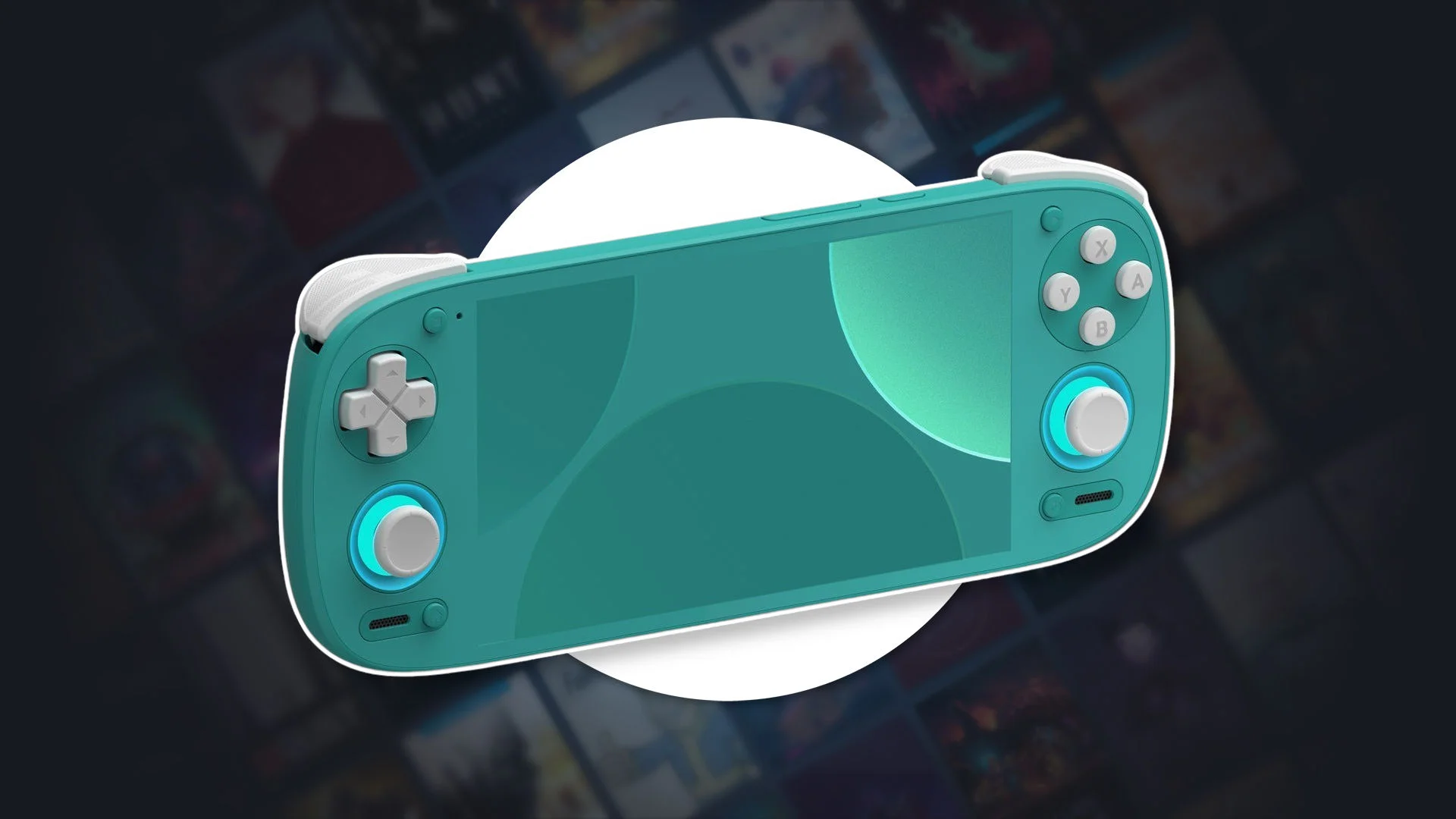
DroidDeck: A New Era for Android Gaming
Valve's reach is extending beyond the Steam Deck as the gaming community rallies around DroidDeck, an app that replicates the Steam Deck experience on Android devices. Following the introduction of SteamOS for ARM architectures, DroidDeck takes on a unique approach by incorporating Valve's native ARM64 Steam client within an interface reminiscent of the Steam Deck. This shift indicates a broader trend in the mobile gaming industry, where developers are increasingly interested in bridging the gap between portable devices and traditional gaming platforms.
The Rise of Handheld Gaming Solutions
The resurgence of handheld gaming isn't just about nostalgia; it's about practicality and accessibility. Devices like the Nintendo Switch have demonstrated that consumers are willing to invest in portable solutions that offer console-quality games on the go. The success of these devices has created an environment ripe for innovation. With DroidDeck, users can transform their Android smartphones and tablets into portable gaming consoles, allowing for a more dynamic play experience. While the Steam Deck itself represents a substantial investment, DroidDeck allows users to explore similar functionalities without the hefty price tag.
Features and Functionality
With DroidDeck, users can easily log into their Steam accounts, download, and play their favorite games directly from their handhelds. While similar apps like GameNative and GameHub exist, the recent release of DroidDeck's version 0.3.0 showcases notable improvements, underscoring its potential despite being in early development. The appeal of DroidDeck doesn’t stop at ease of access; it also emphasizes performance optimization, which is critical when transitioning resource-intensive games to a mobile environment.
This isn't just about mimicking a console experience. The app has been designed to take advantage of the capabilities of modern hardware, offering performance enhancements like lowered input latency and dynamic resolution scaling. These features are often overlooked by casual gamers, but for enthusiasts, they can make a significant difference on how a game feels and plays.
Impressive Updates for Gamers
The app allows users to access a controller that mimics a Steam Deck controller and supports various gaming features. The latest update includes LSFG frame generation and compatibility with Decky Loader, although users must purchase the required plugin first to access its features. This makes DroidDeck a compelling choice for those looking to enhance their Android gaming experience. Buying a plugin might seem like a hurdle, but it’s a small price to pay for access to features that can elevate gameplay.
Furthermore, one of the standout features is the app’s compatibility with different controller layouts. This is significant because gamers have varied preferences for control schemes, and the flexibility to customize one’s setup greatly enhances user satisfaction. If you're working in this space, you'll know that convenience and personalization are key drivers in user retention.
Technical Insights and Performance
The technical underpinnings of DroidDeck deserve attention. Sure, its interface may mirror the Steam Deck, but the real magic comes from how it effectively manages system resources on Android devices. Since mobile hardware varies widely, from budget options to high-end flagships, the developers have to ensure that DroidDeck runs efficiently across the board. This is more significant than it looks; ensuring broad compatibility without sacrificing performance is a tough balancing act.
For example, by leveraging Vulkan and OpenGL APIs, DroidDeck can enable advanced graphics rendering while optimizing battery life—another essential aspect given the power demands of gaming on the go. Yet, the app is still in early development, and performance may vary among users depending on their device specifications. Users may experience differences in frame rates and loading times, revealing a potential area for further optimization as the app matures.
Comparative Landscape: Competing Applications
While DroidDeck is carving out its niche, it’s essential to evaluate where it stands against its competitors. Existing applications like GameNative and GameHub have laid some groundwork, but they may still lag behind in terms of user experience and technical advancements. The introduction of SteamOS for ARM brings an entirely new framework to the table, and while these existing solutions have their merits, they'll need to evolve quickly to keep pace with what DroidDeck offers.
Additionally, competition from non-gaming-specific applications such as Xbox Cloud Gaming adds another layer to the comparison. Cloud gaming platforms allow for console-like experiences without needing expensive hardware, which is a potential consideration for users weighing multiple options. Although DroidDeck's offline capabilities provide it with an edge, the convenience of playing high-quality titles from cloud services can’t be underestimated. They both serve powerful user bases, but their operational philosophies differ significantly.
Industry Implications and Future Outlook
As DroidDeck continues development, its success will reflect broader industry trends in portable gaming. There's a growing audience of gamers who prefer the portability of mobile devices while still seeking quality gameplay. If it successfully capitalizes on this trend, its influence will likely push competitors to innovate or enhance their offerings to stay relevant.
The implications extend beyond individual users; they could shape the future of gaming hardware design as well. Major players might reassess their strategies, considering how consumer demand for portable solutions can influence their next-gen consoles. Will we begin seeing gaming laptops and handhelds converge further? Or can mobile apps effectively become competition to established hardware like the Xbox Series or PlayStation 5? Either way, how the community embraces DroidDeck might very well set the tempo for what's to come.
And this is the part most people overlook. The gaming industry isn’t just about games anymore; it’s about how and where you can play them. The emergence of applications like DroidDeck could very well signify a shift towards a more integrated gaming experience across devices. That's where the true frontier lies — not simply in graphics or content, but in the very access and convenience of gaming itself.



Discussion
Sign in to join the discussion.