Suma’s two Shenzhen stores bring in about $15,000 monthly, as founder Zhang Xiaoqiao plans a 100-location expansion across China.
Two stores reach profitability
Suma has turned a viral curiosity into a two-store business generating about $15,000 a month. Founder Zhang Xiaoqiao now wants to take the itch-scratching service from Shenzhen to 100 locations across China. The ambition is striking because the product is so narrowly defined: customers pay for a particular kind of touch, delivered in a setting that resembles a massage shop but offers a different experience.
Zhang opened Suma’s first shop in Shenzhen’s Baoan District in May 2026, followed by a second in Futian District the next month. Both locations have reportedly broken even and are profitable. That gives the expansion plan an early proof point, though two stores can show that a concept has found paying customers without establishing that it can be repeated at much larger scale.
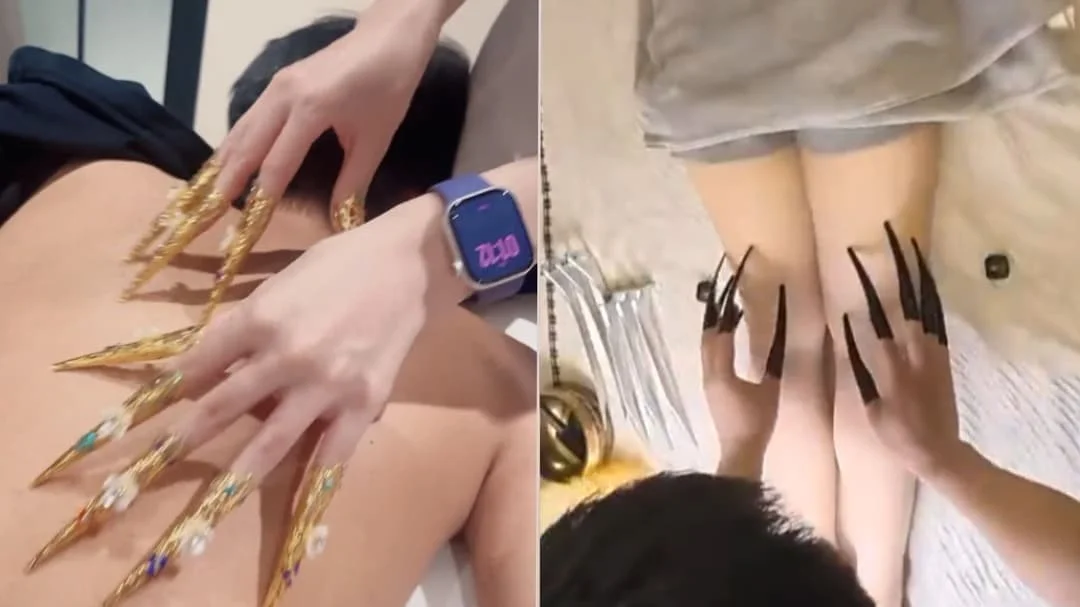
Customers pay 300 yuan, or about $40, for a one-hour session, according to South China Morning Post. They lie face down on massage-style beds while an all-female staff uses specially designed pointed nails to scratch targeted areas. Zhang created the techniques himself, and about 70% of customers are men. The reported price and monthly revenue offer a glimpse of the business model, but they don't explain how many sessions each shop completes, how often customers return, or what costs stand between sales and profit.
Those details matter for a service business. Revenue has to cover rent, staffing, training, supplies, and the time required to serve each customer. A one-hour appointment also limits how many sessions a worker can provide in a day. The existing information doesn't establish how Suma handles those pressures, so the two shops' reported profitability is an encouraging early signal, not a full account of the economics.
From viral video to expansion plan
The business idea came after Zhang saw a popular video of a woman scratching her husband. Some viewers commented that they would pay for the experience. That response suggested a possible market, but online interest and repeat purchasing are different things. Suma's two locations give the idea a physical form; the next question is whether customers will keep booking after the novelty wears off.
Zhang says demand reflects the stress people face in major Chinese cities. Some clients have told him the sessions feel more relaxing than a massage, helping bring them back. That customer feedback points to a service whose appeal may depend less on a technical treatment and more on a personal sensation that customers find soothing. It also leaves room for individual preference: an experience one person enjoys may not work for someone else.
Here's the thing: a business can be easy to describe and still be difficult to standardize. Zhang created the techniques himself, which gives Suma a starting point for training and a defined service to sell. But expanding would require staff in different locations to deliver an experience customers recognize as Suma's. (And this is the part most people overlook.) The quality of the interaction may depend on consistency, communication, and customer comfort as much as on the scratching technique.
Staffing is therefore part of the product. Suma's all-female workforce is a reported feature of the current service, and growing the chain would mean recruiting and preparing enough people to provide it. The source doesn't describe Suma's hiring or training plans. Without those details, it's hard to judge how quickly the company could open new locations while maintaining the experience that has drawn customers to its first two shops.
What a 100-store target would test
Now Zhang wants to build Suma into a nationwide chain and establish itch-scratching as a recognized profession. The test will be whether a service built around a very specific personal experience can deliver consistent demand across dozens of cities. Reaching 100 locations would require more than finding people curious enough to try a session; the company would need to sustain customer interest and reproduce the service at each shop.
This is more significant than it looks. Suma is trying to turn an informal gesture, made familiar by a viral video, into a paid service with a name, staff, and repeatable format. If you're working in this space, the useful question isn't just whether an unusual idea can attract attention. It's whether the attention can become a routine purchase, and whether the business can deliver the same value when it no longer feels new.
That said, the available evidence is still limited. The reported profitability of two Shenzhen stores is a concrete early milestone, while the 100-location goal remains an ambition. There are no details here about planned openings, the pace of expansion, or how Suma would adapt its service for different local markets. Those unknowns don't make the plan implausible; they make it difficult to assess how close the company is to achieving it.
China has seen other unconventional ideas attract viral attention, including an influencer who spent over $140,000 to transform herself into an android. The comparison illustrates how unusual concepts can travel online, but online visibility alone doesn't establish lasting demand. Suma's challenge is more practical: turning a moment of curiosity into a service customers choose again, and building enough consistency for that choice to hold across many locations.
For now, Suma has two profitable shops, a reported monthly revenue of about $15,000, and a founder aiming for a much larger footprint. A long way to go. The next meaningful evidence will come from whether the business can preserve its appeal as it grows beyond the city where it began.



Discussion
Sign in to join the discussion.