Groundbreaking Case Highlights Milestone in Xenotransplantation and Organ Recovery
Written Sep 05, 2026Audience 406Author Callum Doyle
Tim Andrews thrived for 271 days with a pig kidney before receiving a human transplant, marking a significant advancement in organ transplantation techniques.
Historic Milestone in Organ Transplantation
Tim Andrews, a 66-year-old man, recently set a new benchmark in medical history by thriving for 271 days with a genetically engineered pig kidney before transitioning to a human transplant. This remarkable feat not only provides hope for patients facing dire organ shortages, but also validates the potential of xenotransplantation. It raises pivotal questions about the future of organ donation and medical ethics, especially as we confront the growing mismatch between organ supply and demand.
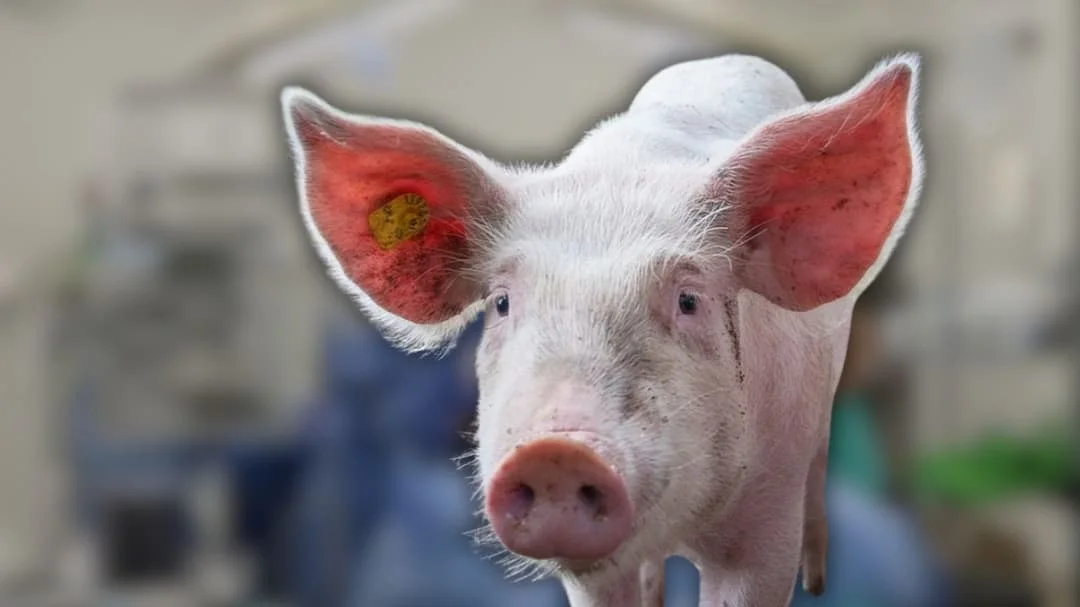
Andrews received the pig kidney at Massachusetts General Hospital on January 25, 2025, after struggling with end-stage kidney disease linked to type two diabetes. His journey reflects not just a patient’s fight for survival, but the culmination of advances in biotechnology that have made this experimental procedure possible. The kidney, sourced from a specially bred Yucatan miniature pig, underwent extensive modifications by eGenesis, a pioneering biotech firm. Using CRISPR-Cas9 technology, the company made 69 targeted genomic adjustments aimed at thwarting organ rejection by the host’s immune system, introducing human DNA to help camouflage the organ, and deactivating harmful retroviruses present in the pig's genetic code.
The implications of such technology are staggering. In typical clinical settings, the immune system often rejects foreign organs, leading to transplantation failures. This genetic modification could represent a significant breakthrough. However, scientists are still grappling with the long-term effects of such alterations and the ethical ramifications that come with modifying animal genetics for human use.
Upon receiving the transplant, the pig kidney demonstrated immediate functionality. It effectively filtered blood and maintained fluid balance almost immediately after the surgery, enabling Andrews to leave the hospital just a week later. This quick recovery timeline is noteworthy as it’s much closer to what one would expect from a human organ transplant, indicating steadily improving methodologies in transplant medicine. During his recuperation, Andrews even threw the first pitch at a Boston Red Sox game, humorously naming the pig donor Wilma—a poignant nod to his new lease on life. This emotional moment highlighted not just the medical success of the transplant, but also the human element that often gets lost in scientific discourse.
But the journey wasn’t without challenges. Just weeks after the initial transplant, Andrews experienced a rejection episode that required reevaluation and adjustment of his medication regimen. This situation illustrates the unpredictable nature of transplantation, even with advanced technologies in play. Notably, rejection episodes can vary significantly in their timing and severity, and managing them is one of the biggest hurdles in post-transplant care. About six months down the line, Andrews developed an infection that necessitated a reduction of his immunosuppressants, leading to vascular damage and the eventual removal of the kidney in October 2025. Reflecting on this complicating factor, Andrews remarked, “Wilma and I had to give up the fight.”
After a brief return to dialysis—totaling 82 days—Andrews received a deceased human donor kidney on January 13, 2026. So far, this match has proved successful with no signs of rejection after 231 days of follow-up care. Before the pig transplant, Andrews faced just a nine percent chance of obtaining a human kidney within five years. His experience starkly emphasizes the crucial role that innovative procedures like xenotransplantation can play in extending life and improving circumstances for patients with limited options. As Andrews put it, “Hope is the biggest thing, the chance to be free from the machine and live your life.”
Broader Implications for Transplantation
The implications of Andrews’s case extend beyond mere survival—this situation signifies a profound shift in how the medical community views organ transplantation, pointing toward a future where xenotransplantation may be considered a viable alternative. It moves the conversation from addressing the immediate need for human organs to exploring ethically sound and successful approaches to using animal organs.
What this means for you, particularly if you’re working in this space, is that the successes and complications of such cases will likely lead to an acceleration in research and clinical trials focused on xenotransplantation. You can expect more collaboration between biotech firms and medical institutions, as they seek to unlock additional solutions for the growing organ shortage.
That said, ethical concerns about animal rights and the long-term implications on both human and animal health are also significant. As clinical endeavors push these boundaries, there's likely to be a parallel debate regarding the moral dimensions of modifying animal genomes for human benefit.
And yet, if this case serves as a litmus test, it underlines the urgency for improvements in how we think about organ transplantation. The groundwork laid by these developments could change the lives of many who await transplants in critical need. The ongoing trials will likely bring us closer to understanding what the future of organ transplantation might look like—a future where organs from genetically modified animals are a standard treatment option rather than an experimental fallback. In any case, hope is indeed a powerful catalyst for change. How this unfolds remains to be seen.



Discussion
Sign in to join the discussion.