AI pioneer Ray Kurzweil joins Subsense, leveraging a nasal spray approach to advance brain-computer interfaces and tackle neurological disorders.
AI Visionary Joins Subsense
In a surprising turn, renowned AI expert Ray Kurzweil has teamed up with Subsense, a neurotechnology company that is pushing the boundaries of how humans can interface with machines. This partnership signals a notable shift in the ongoing exploration of brain-computer interface technology. If you’re following advancements in AI or neurotechnology, this is certainly a moment to watch.
Kurzweil, a visionary who has been at the forefront of artificial intelligence since the 1960s, is recognized for his pioneering work in multiple domains, including speech synthesis and recognition. His theories on the Singularity—the point at which technological growth becomes uncontrollable and irreversible—have earned him a prominent place in tech discussions. Now, as he joins Subsense, Kurzweil aims to shape the future of how we connect technology and the brain. This collaboration underscores a shift in focus toward more accessible methods for interfacing with technology, which could have significant implications down the line.
Nasal Delivery System
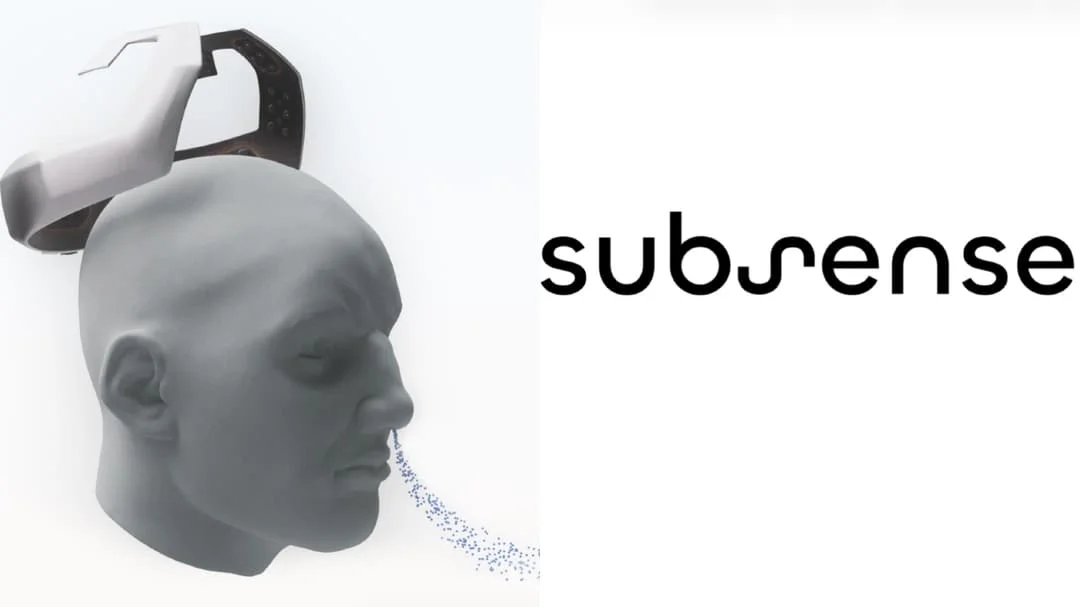
Unlike other companies, such as Neuralink, that employ surgical methods to implant electrodes directly into the brain, Subsense is innovating with a less invasive approach. The startup proposes the use of a nasal spray designed to deliver charged nanoparticles. This method capitalizes on the olfactory nerve route—essentially taking advantage of the pathway that connects the nose to the brain. It’s a path rarely explored in this context, and it raises intriguing questions about feasibility and effectiveness.
Once inhaled, these nanoparticles position themselves near neurons, ready to interact with magnetic fields emitted by an external headset. This strategy could enable stimulation of neural activity without surgical intervention. It’s not just a bold departure from traditional methodologies; it represents a pivot to potentially less risky and more accessible technologies. And this is the part most people overlook: the significant challenges faced by invasive techniques that include recovery time and potential complications.
According to The Independent, Kurzweil has expressed that the intersection of artificial intelligence, nanotechnology, and neuroscience presents an unprecedented opportunity to reshape human interaction with technology. “Subsense is pursuing an approach that brings those fields together in a particularly compelling way,” he stated. His involvement could elevate the conversation around non-invasive techniques, potentially appealing to a broader audience concerned about the risks associated with invasive procedures.
The Future of Neurotechnology
Subsense has successfully raised $27 million to further its ambitious goals, currently focusing on animal testing. Yet, it remains some distance from human trials. The startup's long-term vision is notable: to confront debilitating neurological disorders such as ALS and Parkinson’s disease. If successful, their approach might change the way we think about brain-computer interactions, possibly offering a lifeline to millions afflicted with such conditions. Given the pressing needs in this space, it compels one to watch how this unfolds.
While animal testing is a necessary step, transitioning to human trials will be fraught with challenges. Safety concerns and societal perceptions around such intrusive technologies often dictate public acceptance and regulatory pathways. The venture into neurotechnology, especially with an approach unlike anything seen before, may face skepticism not only from the medical community but also from a cautious public. The outcome of these trials could have far-reaching consequences for the credibility of the field as a whole.
Implications for Neurotechnology
What this means for you, especially if you're working in this space, is that we may be at the brink of a shift in how neurotechnology develops. The focus on less invasive methods could set new industry standards, motivating competitors to explore similar strategies. Conversely, if these methods fail to yield results, it might reinforce the notion that only surgical methods can provide viable solutions, stalling advancements in the field.
As we look to the future, Kurzweil's collaboration with a company at the cutting edge of neuroscience brings both excitement and trepidation. If Subsense can navigate the complexities involved in their approach, it could fundamentally alter the trajectory of neurotechnology—providing a new vocabulary for how we understand human-machine interactions. This blend of AI and neuroscience might just represent a critical pivot point in the consumer tech narrative as well.
For more insights into the evolving world of AI, check out our coverage on the individual who built a simulation using OpenAI or the climbers utilizing AI for route planning.



Discussion
Sign in to join the discussion.