Wimbledon Implements Strict Policies to Curb Influencer Disruptions at Matches
Written Sep 07, 2026Audience 956Author Michael Gwilliam
Wimbledon will not grant accreditation to influencers for the 2027 tournament, prioritizing player focus and a distraction-free event experience.
Wimbledon Takes a Stand Against Disruptive Influencer Behavior
Wimbledon is stepping up to address a growing concern: disruptive behavior from influencers that has stirred controversy during major tennis events, particularly the US Open. The All England Club is now asserting its policies in light of recent incidents that saw influencers interrupting matches, leaving both players and fans frustrated.
The decision is clear: no specific accreditation will be granted to influencers or content creators for the 2027 Wimbledon tournament. This approach is a direct response to the US Open's recent decision to implement a credential program for influencers, which spiraled from around 54 participants in 2025 to nearly 100 by 2026, resulting in noticeable distractions on the court. Influencers may still attend Wimbledon as regular fans, but they won't get special privileges.
As part of this initiative, Wimbledon is also tightening regulations around equipment that could interfere with match play. Items like ring lights, which can be distracting in the stadium, are subject to confiscation under existing entry conditions. This policy aims not only to maintain the integrity of the games but also to uphold a distraction-free environment for players.
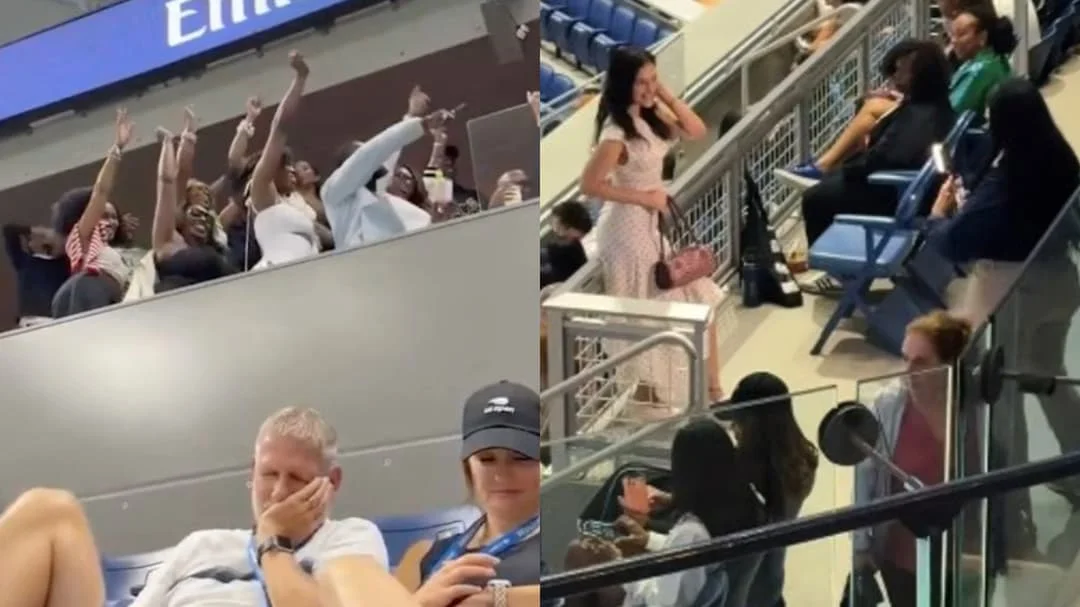
Recent events at the US Open established a problem that Wimbledon is intent on avoiding: influencers recording content during play to the exasperation of those involved. For instance, Naomi Osaka's first-round match was interrupted when a group in a suite began filming, prompting intervention from the chair umpire. Osaka’s condemnation of the chaos—stating, "You could hear it quite clearly" during an uproar—highlights the need for boundaries around audience behavior during matches.
This proactive stance by Wimbledon indicates a more conservative approach compared to the US Open, suggesting a recognition of the delicate balance between engaging new audiences and ensuring a respectful atmosphere for the sport. With players like Osaka acknowledging the potential benefits of creator engagement, the underlying message is clear: any audience expansion should not come at the cost of the game itself.
Ultimately, it raises a larger question for all sports institutions: how to incorporate the digital age’s influence without sacrificing the essence of the competition.
Looking Ahead: The Future of Influencers in Sports Events
The recent controversies at the US Open illustrate a notable tension between traditional sporting events and the influx of social media influencers. It seems the presence of these influencers is drawing a line, marking a shift not just in how events are marketed but also how they are experienced in real time. Players like Aryna Sabalenka and Coco Gauff have voiced their frustrations, pointing out that fan enjoyment shouldn't come at the expense of a player’s focus or dignity. This isn't just a minor matter; it’s a discussion about respect and professionalism in sports.
What’s more interesting is how organizations like Wimbledon have handled influencer collaborations with more caution. Unlike the somewhat chaotic scene at the US Open, Wimbledon has chosen to engage selected creators in a manner that minimizes disruption, allowing both the event's integrity and the influence of social media to coexist. This approach highlights the need for a more structured framework as influencers increasingly mingle with traditional sporting environments.
Here’s the thing: while the appeal of influencers can drive engagement and reach for sporting events, they also risk alienating core audiences if not managed properly. The USTA's swift action to revoke access for influencers misclassified as staff shows a clear signal that unchecked access won’t be tolerated. For organizations, the question isn't merely how to accommodate influencers but how to do so without compromising the event’s primary purpose: the sport itself.
As we look to future events, stakeholders will need to find a balance. If you're working in this space, consider how to craft programs that enhance viewer experience without letting influencers overshadow the athletes. A thoughtful approach could redefine how brands and sports leagues engage audiences, ensuring that both players and influencers exist in a space that emphasizes the athletic prowess at heart of these events.



Discussion
Sign in to join the discussion.