Highlights from the 2026 Ig Nobel Prizes: Celebrating Whimsical Scientific Research
Written Sep 07, 2026Audience 425Author Nathan Warby
The 2026 Ig Nobel Prizes showcase quirky scientific studies that blend humor with insight, emphasizing the value of curiosity in research.
2026 Ig Nobel Prizes: A Celebration of the Absurd in Science
This year’s Ig Nobel Prizes have once again highlighted the whimsical side of scientific inquiry, with awards going to projects that range from studying venomous snakes to researching the nutritional value of cockroach milk. If you're in the field of research or just have a keen interest in the bizarre aspects of science, these winners might change how you view scientific achievements. The Ig Nobel Prizes serve as a reminder that while much of science delves into serious issues, some of the most enjoyable exploration comes from where humor and curiosity intersect.
A Tradition of Humor and Insight
Every September since 1991, the Ig Nobels have provided a light-hearted yet insightful look at unconventional scientific exploration. Founded by Marc Abrahams, the event is more than just a parody of the Nobel Prizes; it’s a celebration of creativity, rigor, and scientific inquiry in all its forms. Each award shines a spotlight on research that is humorous, perplexing, or just plain strange. Consider last year's prize for a cow painted to look like a zebra to deter flies—who would've imagined that a paint job could lead to an actual scientific inquiry on animal welfare? This year’s ceremony, held in Zurich on September 3, featured paper airplane tossing and amusing performances, mirroring the eccentricities that define these prizes. Such festivities are a spectacle that urges participants to think differently about what constitutes “real” science.
Diverse and Outrageous Research
A total of ten awards were dished out this year, underscoring the diverse and often outrageous nature of scientific investigation. One standout, the Biomechanics prize, recognized a study attempting to define a kiss through the behaviors of various species, including polar bears and ants. This kind of research not only reveals the intricacies of animal behavior but also invites people to consider the broader implications about human intimacy. Meanwhile, the Economics award took a hard look at social class and its correlation with unethical behavior, revealing that wealthier individuals may be more prone to taking candy meant for children. This raises questions about moral conduct in varying socio-economic contexts, underscoring how even trivial research on social behavior can foster deep insights into human nature.
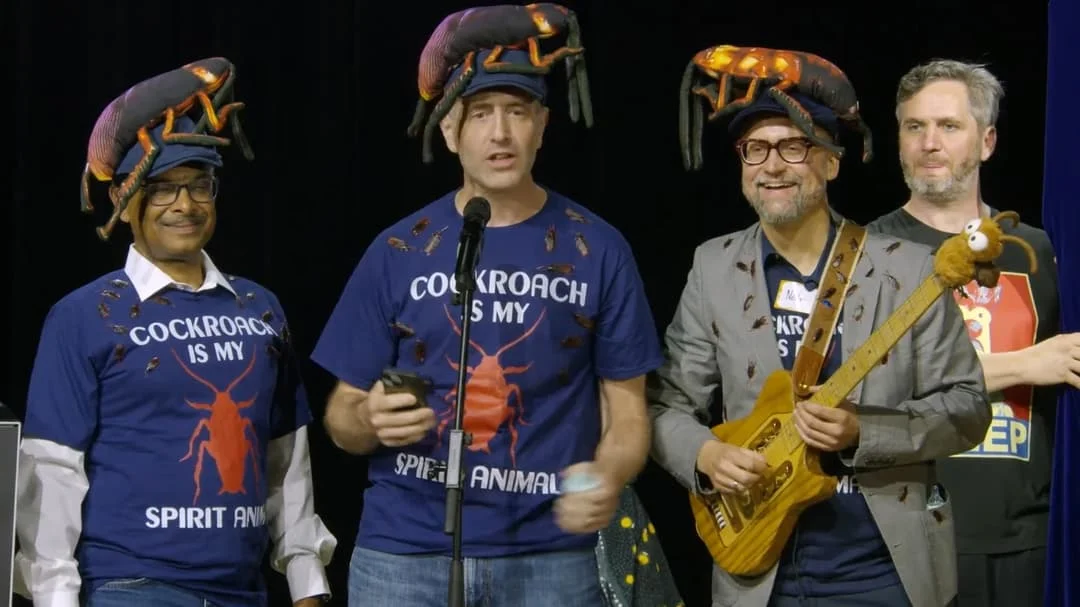
Among these notable achievements was the Chemistry prize, which shed light on the milk produced by a specific cockroach species. The findings indicated that this unusual milk packs about three times the energy found in cow’s milk. While it might sound repulsive to some, this insight calls for further exploration of unconventional food sources—a necessary venture as the world looks for sustainable dietary alternatives. Similar systems typically reflect a growing trend toward bioengineering practices that examine the potential of nature’s less conventional offerings.
Meanwhile, the Physics prize highlighted the development of a new urinal design that significantly reduces splashback—a practical innovation that should resonate with anyone who's faced restroom woes. Sometimes it’s the small victories of everyday life that warrant recognition. This could even lead to health benefits by fostering cleaner public restroom conditions.
Exploring Oddities in Various Fields
The Medicine tribute took a turn toward the peculiar by examining the techniques of nose blowing. While it may seem trivial, it’s all too easy to overlook the intricacies of human behavior in seemingly mundane actions. In a time where hygiene has come to the forefront of societal concerns, understanding how common practices can influence health is invaluable. A study in Biology focused on the behavioral responses of venomous snakes under pressure, hinting at the adaptive strategies these creatures employ for survival.
Supporting this exploration into animal behavior, another study examined how parents perceive their children's natural scents, finding that babies are generally rated more favorably than teenagers. It's fascinating how scent—a sense often overshadowed—impacts human relationships and perceptions.
Unusual Applications and Social Bonds
Not all discoveries lend themselves easily to conventional categorization, further emphasizing the eclectic nature of these awards. The Technology prize went to a study where dead mosquitoes were repurposed as nozzles for precise 3D printing. This is an innovative reuse of materials that challenges preconceived notions about waste in technology and sustainability. On another note, the Peace prize garnered attention for its insights into how friends can bond over shared disdain for a common enemy. This could speak volumes about human psychology and the often dubious ways relationships are formed.
And in a curious approach to soil science, a project involving the burial of 1,000 pairs of cotton underwear across 25 countries was initiated to gauge soil health through the degradation of textile materials. Not only does this approach reflect creativity, but it also points to larger conversations about ecological practices and the importance of soil conservation.
Implications and Future Outlook
In sum, the 2026 Ig Nobel Prizes remind us of the importance of curiosity in science—sometimes, the most peculiar questions lead to thrilling discoveries. What this means for you, the reader, is that scientific exploration doesn’t have to fit a conventional mold. It can—and, arguably, should—embrace the unpredictable. For those interested in even more unusual research, consider the studies revealing that human urine is actually melting away ice on Mount Everest. Or ponder a phenomenon describing a giant “poop explosion” that significantly altered Earth's evolutionary trajectory. These examples serve as testimonies to the quirky, often unexpected paths that research can take.
Scientific inquiry thrives on questions that challenge norms. While the Ig Nobel Prizes encapsulate a lighter take, this celebration encourages a deeper look at what it is that scientists are actually uncovering. As we embrace the unexpected, we're reminded that in the pursuit of knowledge, absurdity can lead to profound insights.


Discussion
Sign in to join the discussion.