McDonald's Adopts Reusable Cups Amid Environmental Regulations in the Netherlands
Written Sep 07, 2026Audience 618Author Dylan Horetski
McDonald's is set to cease using disposable cups in the Netherlands, responding to regulatory pressures and aiming for a more sustainable approach.
McDonald's Takes a Stand Against Disposable Cups in the Netherlands
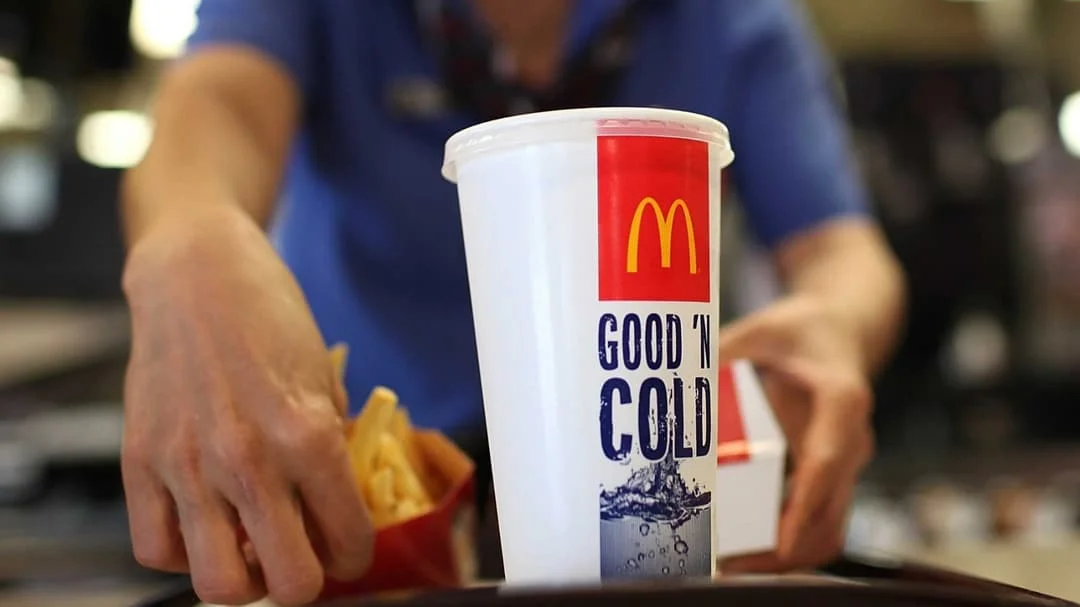
McDonald's is set to make a significant operational shift in the Netherlands by phasing out disposable cups for dine-in customers. This decision reflects growing regulatory pressure as Dutch authorities intensify their efforts to combat single-use plastics. Annually, McDonald's distributes about 175 million plastic cups in the Netherlands. What’s striking is that nearly half of those cups are used by customers dining in the restaurants, underscoring the volume of waste generated by the fast-food giant's operations.
By January 5, McDonald’s needs to fully transition to reusable cups to avoid penalties that could reach a staggering $4.3 million. This decision comes in the wake of scrutiny by the Human Environment and Transport Inspectorate (ILT), which revealed that the fast-food chain had been in violation of regulations surrounding the management of single-use cups, particularly those used on-site.
Gert van Rootselaar, a senior inspector at ILT, highlighted the dire environmental impact, stating that without a systematic recycling protocol, the vast number of disposable cups contributes significantly to ecological harm. “Each year, the company hands out 175 million cups, about half of them in its restaurants,” he pointed out, emphasizing that the responsibility lies with McDonald’s to adopt durable and sustainable solutions.
Regulatory Enforcement and the Path Forward
The tightening enforcement by ILT follows a series of inspections across 32 McDonald's locations. These inspections were prompted by concerns from the Fair Resource Foundation, illustrating a broader scrutiny of corporate practices in addressing environmental concerns. The ruling is particularly significant as it emerges from violations dating back to 2024. McDonald's has been under regulators' watch for some time, hinting at a lack of proactive measures in addressing sustainability.
Now, with the clock ticking, McDonald’s is in a race against time to overhaul its cup policy. If it fails to comply with the January deadline, the company could incur individual fines of €625,000 for each infraction, potentially leading to total fines of around €3.75 million. The severity of these penalties reflects not only a regulatory crackdown but also a shift in consumer expectations regarding corporate sustainability efforts.
In defense of their previous methods, a McDonald's spokesperson argued that past regulations didn’t adequately account for customer behavior. "In our restaurants, on-site consumption and takeaway mix every day," the spokesperson said in a statement to ANP. This commentary shines a light on the friction between regulatory frameworks and real-world consumer habits. The complexities of implementing systematic recycling in such a fast-paced service environment raise questions about the feasibility of compliance with stringent regulations.
And yet, the challenge isn't unique to McDonald’s. Many companies in the fast-food sector are grappling with similar mandates to adapt their operations to align with evolving environmental standards. For example, in Japan, McDonald's has introduced significant changes by completely eliminating paper straws, opting instead for a more sustainable option: strawless lids crafted from recycled plastic bottles, along with promoting environmentally friendly packaging solutions across their chains.
The actions taken by McDonald's in the Netherlands may well serve as a bellwether for a growing trend within the fast-food industry, highlighting an urgent adaptation to regulatory pressures and shifting consumer values. For a global leader like McDonald’s, navigating these challenges is more than about compliance; it's a potential redefinition of operational strategies moving forward. Adapting to sustainability is no longer a choice but a necessity as conscious consumerism rises.
Broader Implications and Future Outlook
What this means for the fast-food sector is significant. As regulations tighten and consumers demand more sustainable practices, companies will need to rethink their operational frameworks. In the case of McDonald's, this transition to reusable cups could set a precedent, influencing other multinational chains’ practices.
If you're working in this space, keeping abreast of these regulatory evolutions is essential. You might find that what once seemed like isolated moves by companies could turn into a unified front in combating environmental degradation. The fast-food industry is under increased scrutiny. With every move, there’s a possibility that failure or success will be closely monitored not only by regulators but also by an increasingly concerned public.
With this push towards sustainability, consumers should watch how companies adapt and implement similar initiatives globally. McDonald's experience highlights the importance of aligning operational practices with environmental expectations, reflecting the sentiments of a society that’s becoming more critical of corporate responsibility.
The stakes are high. McDonald's successful transition may lead to enhanced reputation and customer loyalty, whereas missteps could result in severe penalties and public backlash. This is a pivotal moment for the fast-food industry—a balancing act between maintaining profitability and demonstrating genuine commitment to the planet. It’s a challenge that defines the industry’s future.



Discussion
Sign in to join the discussion.