The Anbernic RG55G1 closely resembles the Nintendo Switch Lite and boasts similar specs, making it a contender for mobile gaming enthusiasts.
Introducing the Anbernic RG55G1
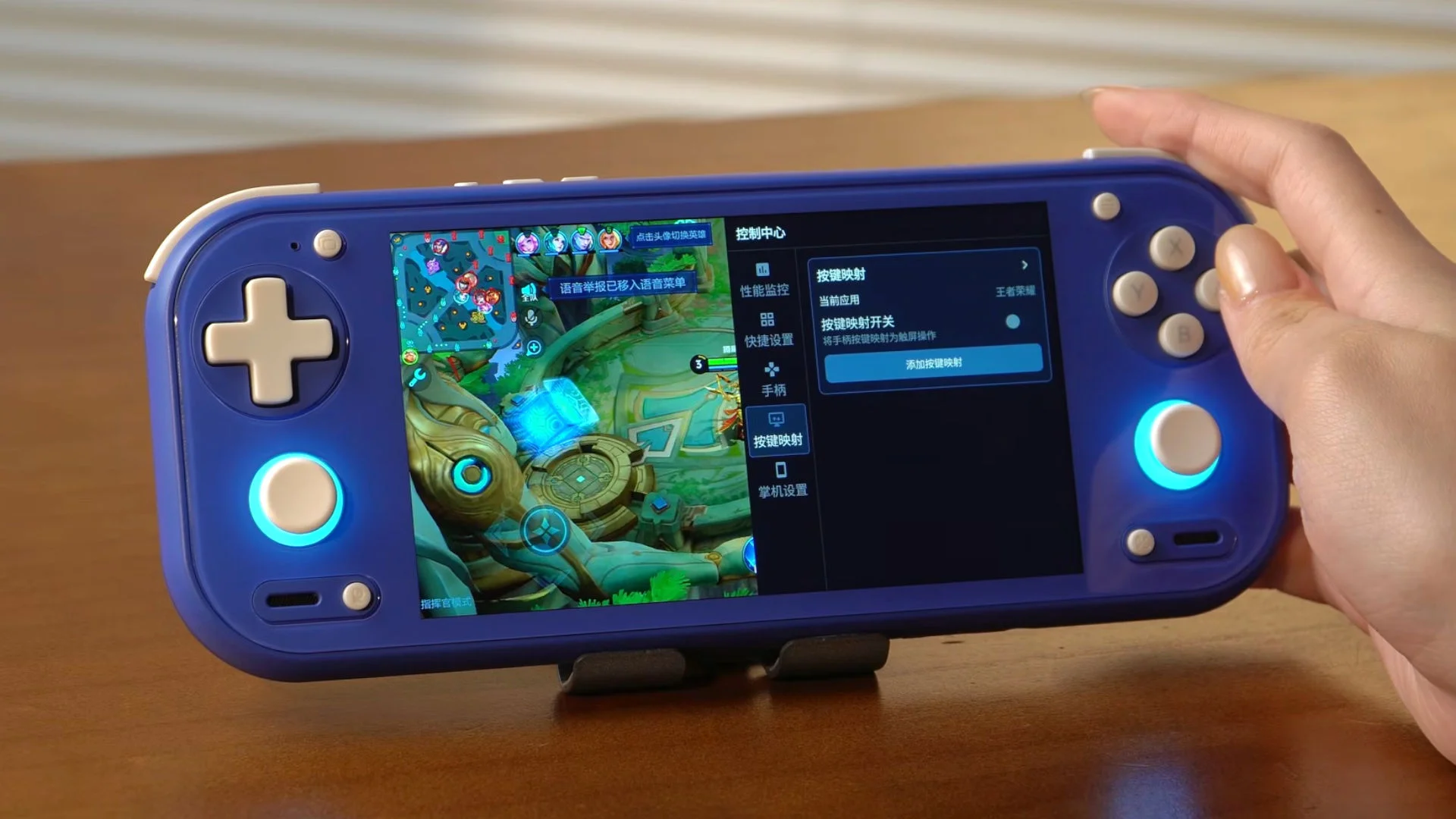
In a refreshing shift from its previous inspirations, Anbernic's latest handheld, the RG55G1, strikingly mimics the Nintendo Switch Lite both in design and aesthetics. The new device features a compact form factor and comes in multiple eye-catching colorways, with the Indigo variant particularly reminiscent of the blue Switch Lite. This design choice reflects a strategic move by Anbernic, which has consistently targeted gamers who appreciate retro aesthetics. By echoing elements of successful competitors, the RG55G1 aims to tap into a recognized style that many consumers already love.
Specifications Overview
Underneath its sleek exterior, the RG55G1 is powered by the Snapdragon G1 Gen 2 chip, a solid choice also found in the Retroid Pocket Classic. Users can opt for either 4GB or 8GB of RAM, and storage options include 64GB or 128GB. While it may not set performance records, this gaming device should capably handle a wide range of mobile titles, including indie favorites like Balatro and Stardew Valley. What's telling here is how the RG55G1 isn't designed to compete with high-end consoles, but rather aims at offering an accessible option for casual and indie gamers. It fills a niche for those who want decent performance without the associated costs of premium handhelds.
Controller Layout and Usage
In terms of ergonomics, the RG55G1 maintains a layout reminiscent of the Switch Lite, although it does have a notable difference: the left thumbstick is positioned below the d-pad instead of the conventional placement above it. This configuration may appeal to certain gaming preferences, especially for enthusiasts familiar with the design of Anbernic's Retroid Pocket 5. For seasoned gamers, the thumbstick placement could feel unconventional at first. However, after some adaptation, it might even enhance control for certain gameplay styles, particularly in titles that demand quick reflexes and alternative control schemes.
Performance Analysis
When assessing the RG55G1's performance, it’s clear that potential buyers should set their expectations appropriately. The Snapdragon G1 Gen 2 chip doesn't aim to break any speed records, yet it stands tall as a competent processor for mobile gaming. However, you won't be playing demanding AAA titles like "Cyberpunk 2077" on this handheld. Instead, think of smaller indie games and classic titles that are often found on platforms like Steam or the Nintendo eShop. This positions the RG55G1 squarely in the realm of light gaming, which for many users, is just fine.
The RAM configuration offers flexibility as well. With 4GB being ample for most mobile applications, the 8GB option caters to users who want a bit more breathing room for multitasking or running several apps simultaneously. Yet, it would be misleading to suggest that you could push this device to its limits without encountering occasional stutters or frame drops in more resource-intensive scenarios. This distinction is key for consumers who might be tempted to view the RG55G1 as a one-size-fits-all solution for all gaming experiences.
User Experience and Design Considerations
The design elements of the RG55G1 also merit discussion. While the visual appeal is clear, the actual user experience can sometimes tell a different story. The compact nature may feel comfortable for extended gaming sessions, but it’s essential to consider how the placement of buttons and the overall weight of the device might impact long-term usability. Given that mobile gaming often involves extended play, any design flaw could lead to discomfort, an issue Anbernic must be mindful of as they finalize production.
Here's the thing: early adopters often provide the most valuable feedback. This community insight can shed light on what feels right or what might feel off in practice. If you're working in this space, consider how community opinions around button layouts and ergonomics can influence future iterations of similar devices. Beyond aesthetic choices, these elements create the bridge between just another gaming device and a preferred gaming companion.
Implications of the RG55G1's Release
The RG55G1 is more than just another handheld; it represents a trend towards making gaming more accessible. As development costs continue to soar, there's a significant demand among gamers for devices that offer adequate performance without the hefty price tags that accompany premium hardware. This shift not only caters to casual gamers but also revitalizes interest in indie gaming. After all, these titles often thrive on platforms that prioritize accessibility and user experience over sheer graphical fidelity.
This paradigm also hints at a significant market shift. Consumers are becoming increasingly discerning, expecting more from their purchases while still being unwilling to invest heavily in a single device. As manufacturers continue to explore this balance, it's likely we'll see more devices targeting this middle-ground consumer segment. The RG55G1's reception might influence other gaming hardware makers to rethink their strategies and product offerings, leading to more competitive pricing and diversified options. And this is the part most people overlook: the RG55G1 could ignite a new wave of similar devices, ultimately reshaping expectations around what handheld gaming can offer.

Discussion
Sign in to join the discussion.